Timeline
Back to exhibitions
9 April – 7 June 2026
KodlContemporary
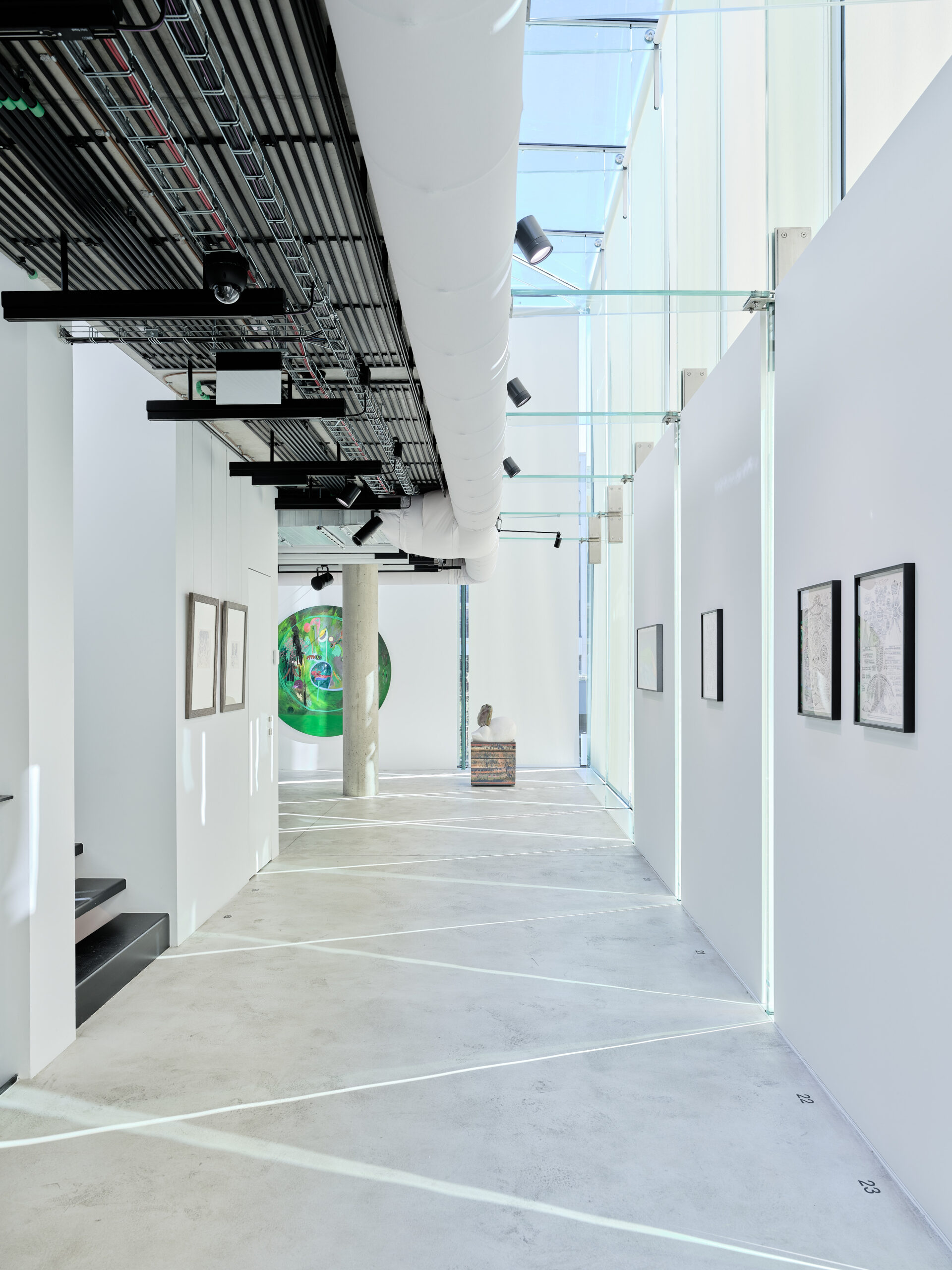
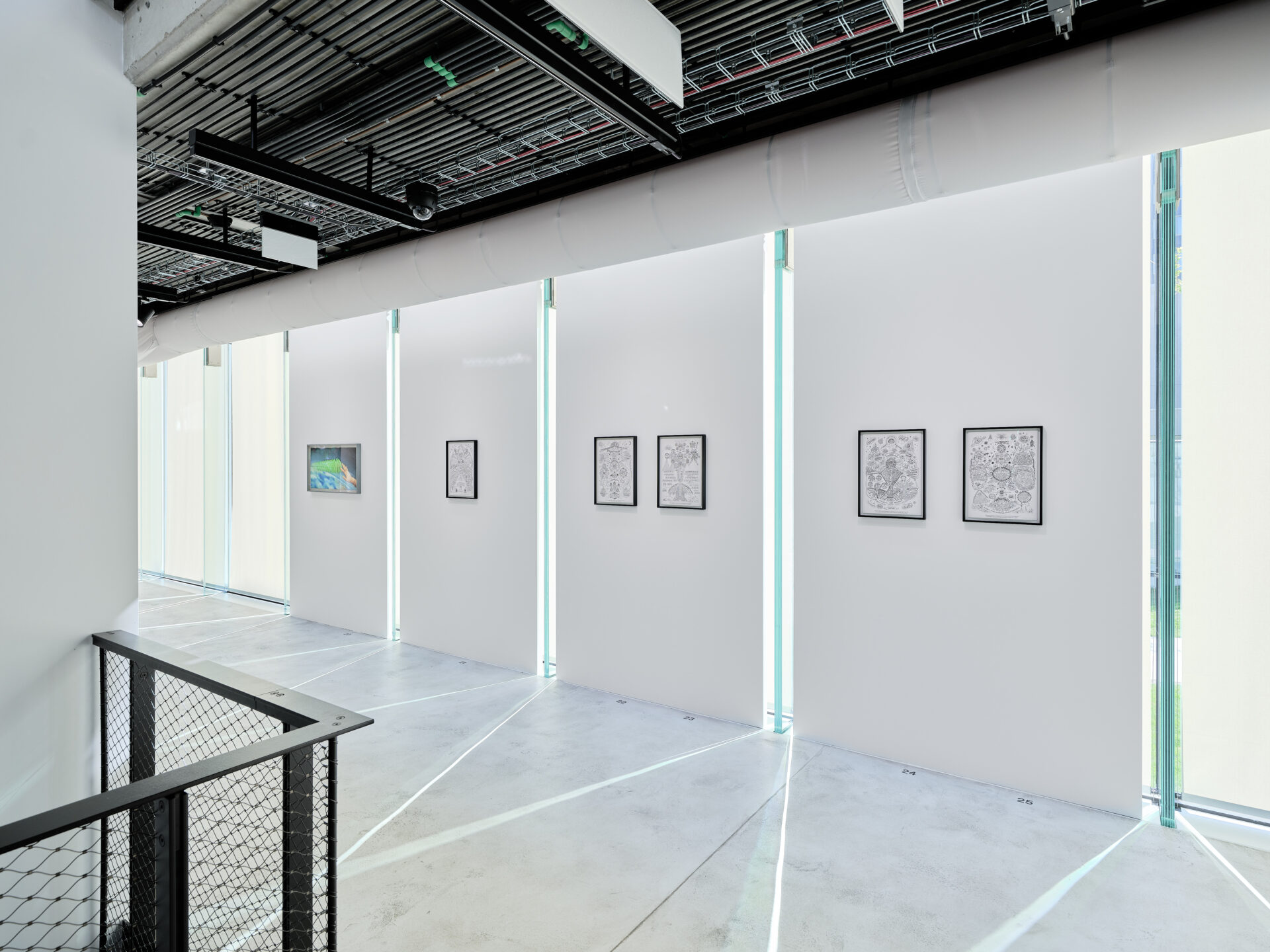
Timeline, curated by Nicolas Bourriaud with Barbara Lagié, takes as its point of departure František Kupka’s drawings for Élisée Reclus’s L’Homme et la Terre (Man and Earth, 1905). Conceived for Reclus’s extensive geographical study of humanity and its relationship to the planet, Kupka’s illustrations become the historical centre of an exhibition connecting fourteen international contemporary artists across different generations and media.
For Reclus, geography could not be separated from human history. The Earth was understood as a living system shaped by geological, biological, social and political forces, while human societies existed within rather than outside these processes. Kupka shared an interest in forms that could make otherwise invisible relationships perceptible, translating natural structures, movement and systems of knowledge into images.
Timeline returns to this encounter from the perspective of the present. At a moment when climate change has made planetary processes increasingly inseparable from political and cultural life, the exhibition asks how art can engage with scales of time and space that exceed individual human experience.
The exhibition develops around four interconnected ideas: relational space, deep time, totalisation and a renewed animist sensibility. Relational space understands the world not as a collection of isolated objects but as a field of interacting agents. Deep time extends perception beyond human chronology toward geological, biological and cosmic cycles. Totalisation addresses the desire to synthesise increasingly complex systems of information, while animism reconsiders the agency traditionally denied to landscapes, organisms and matter.
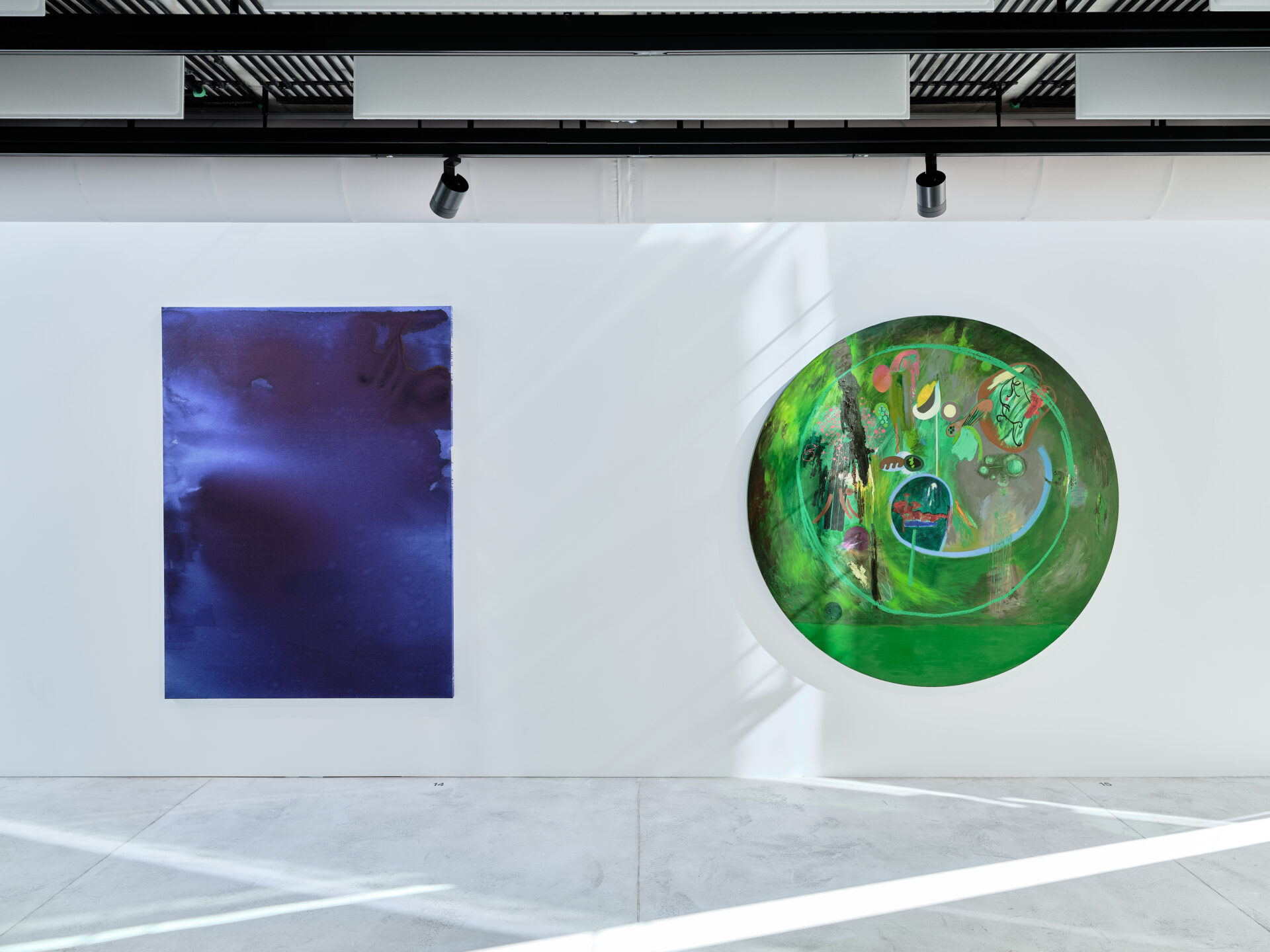
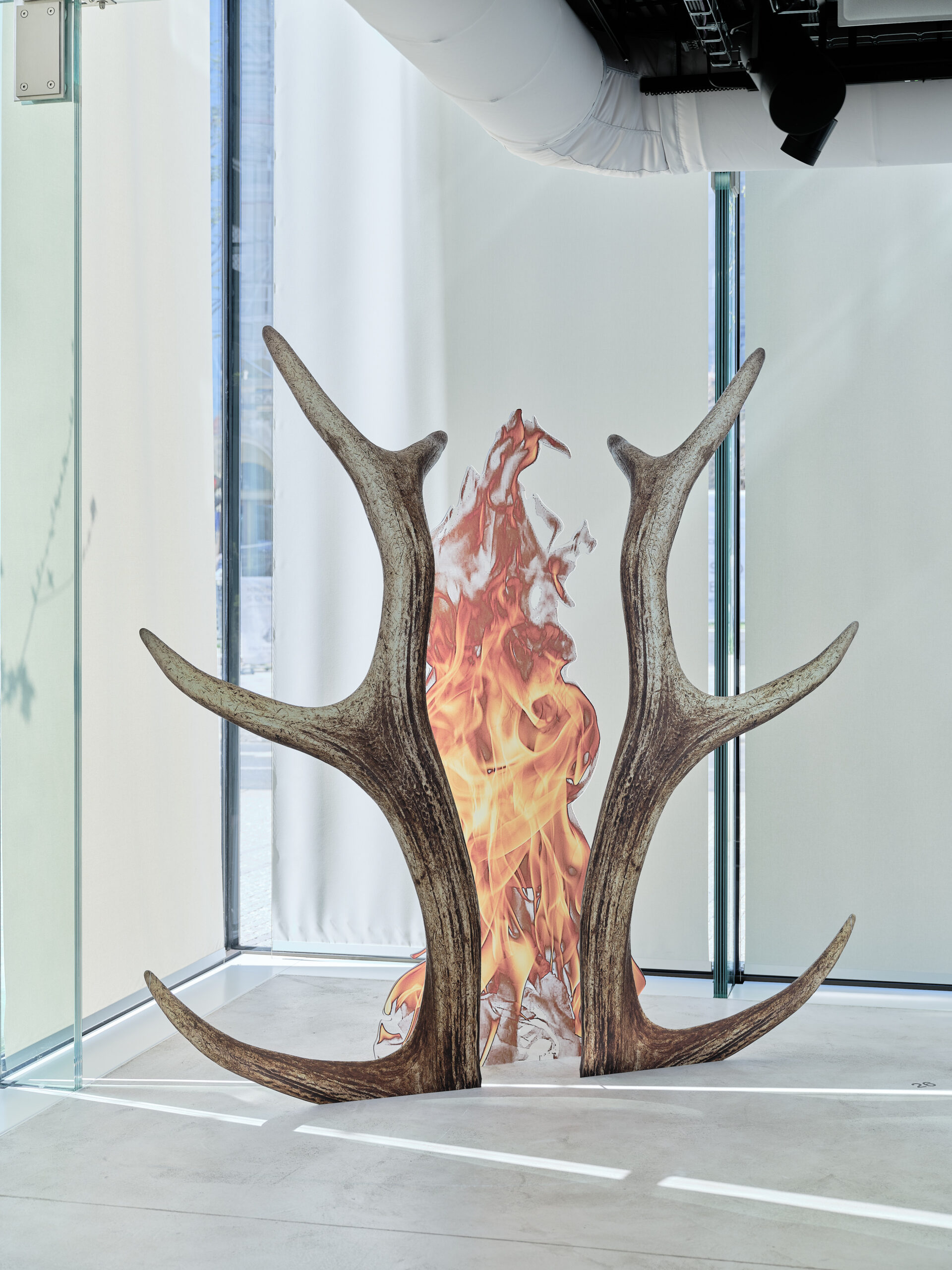
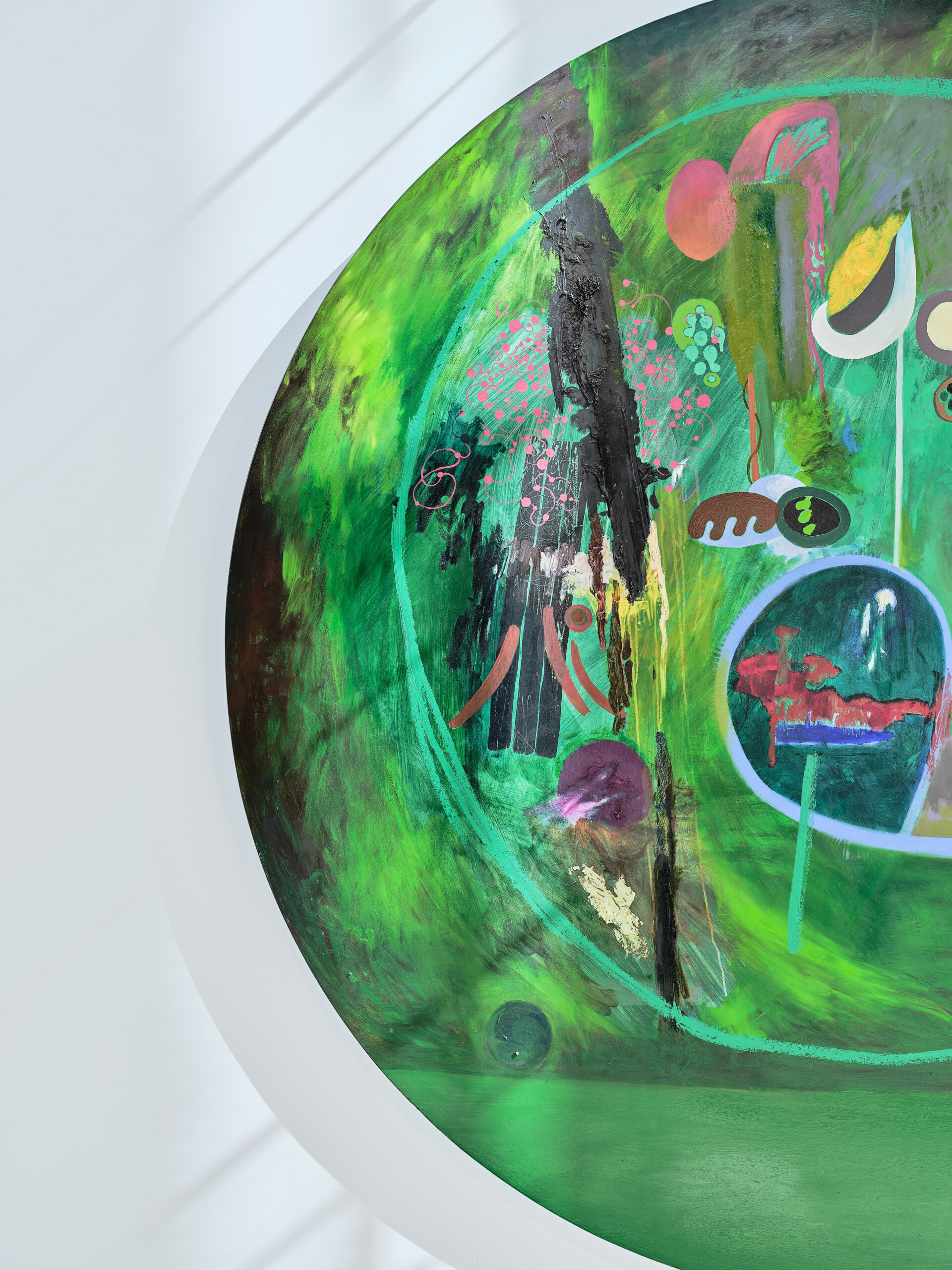
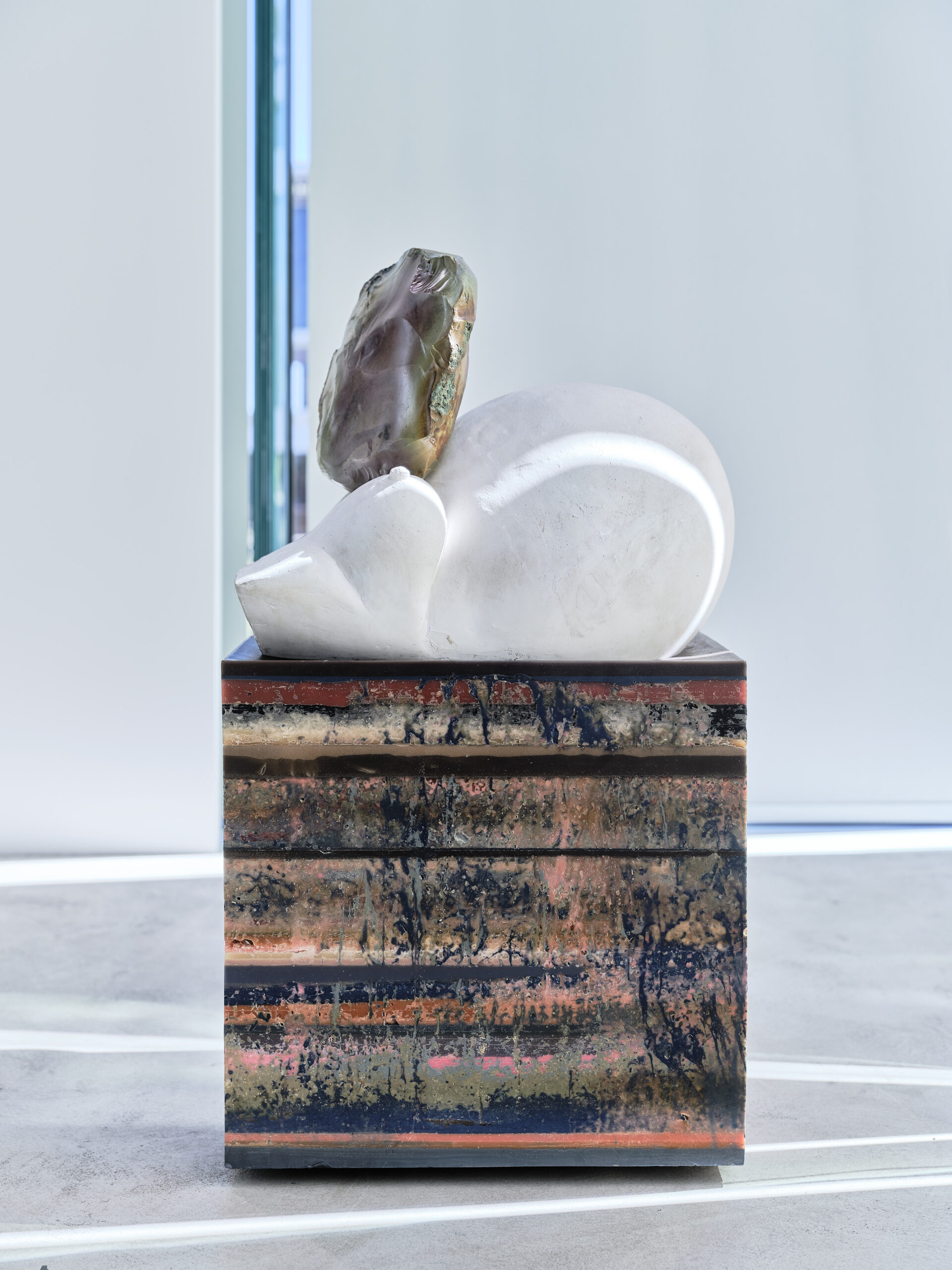
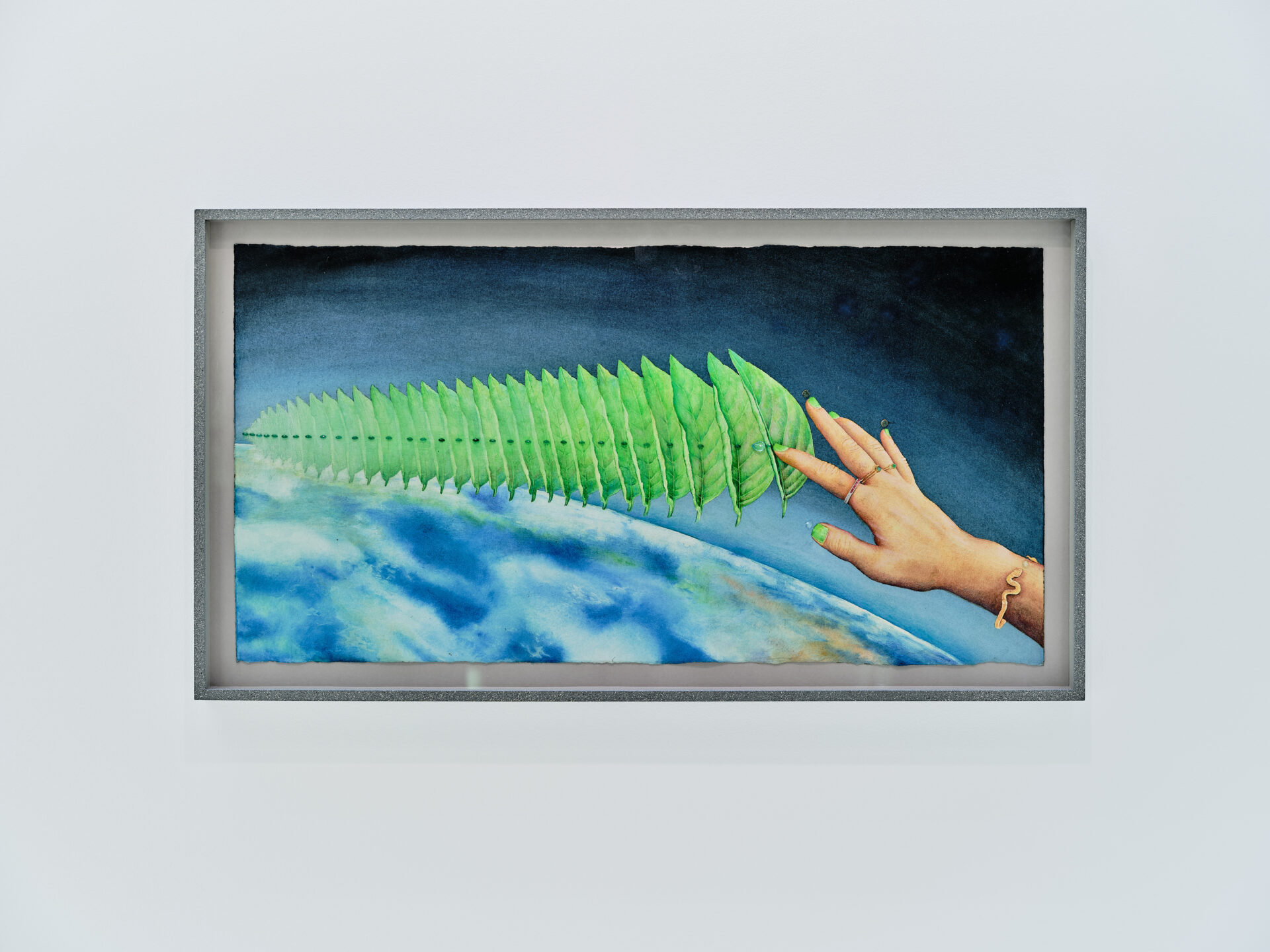
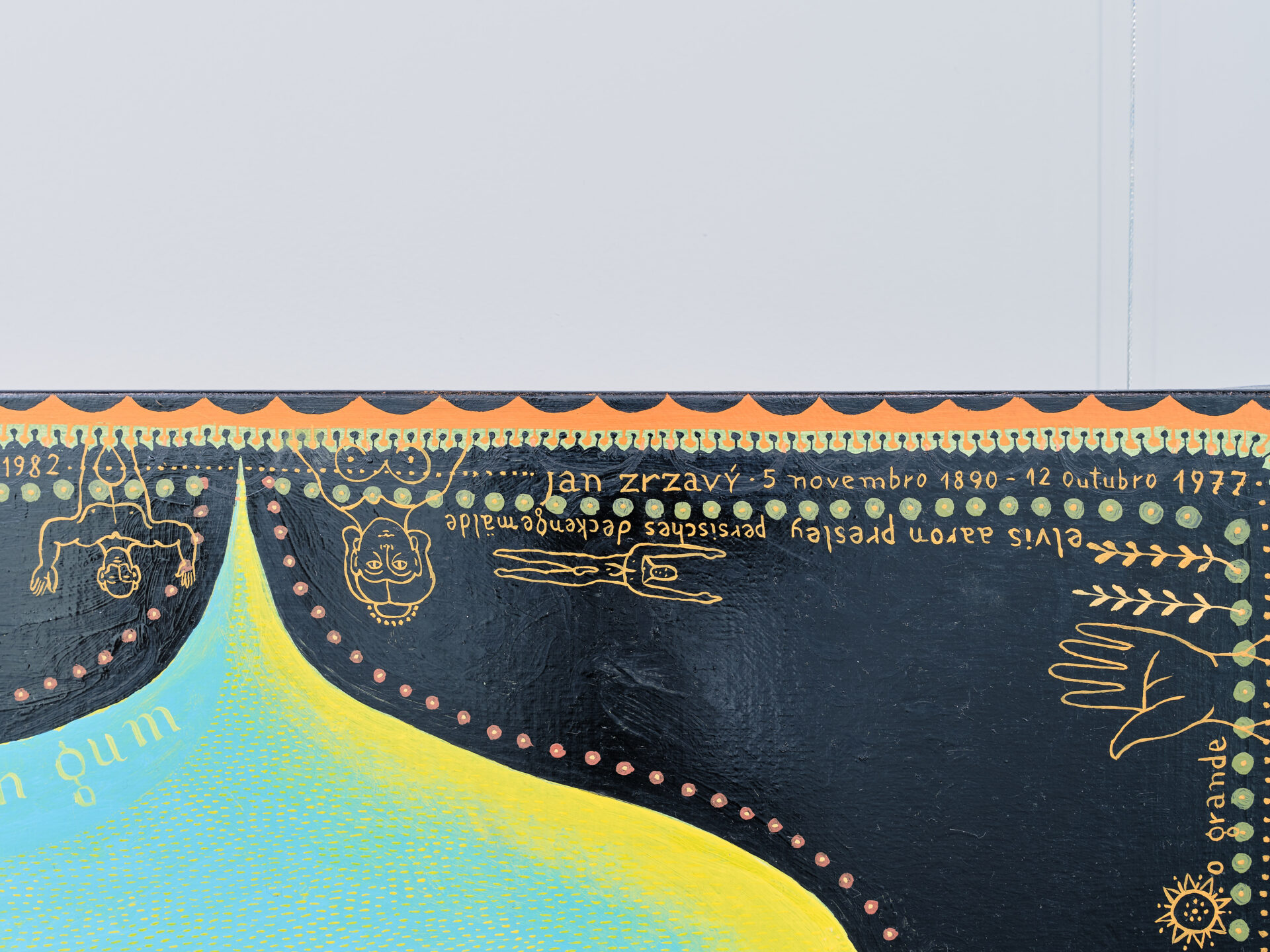
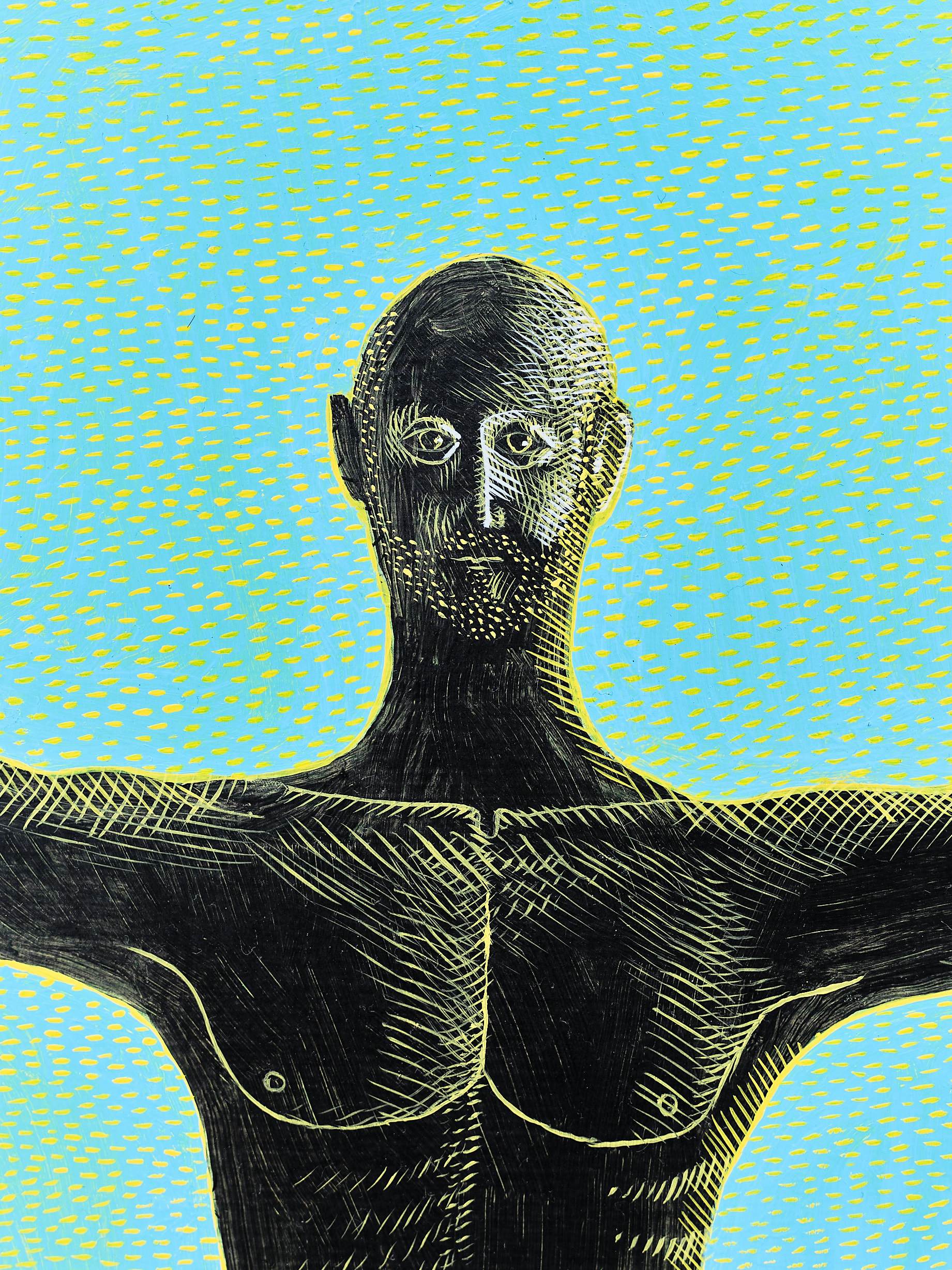
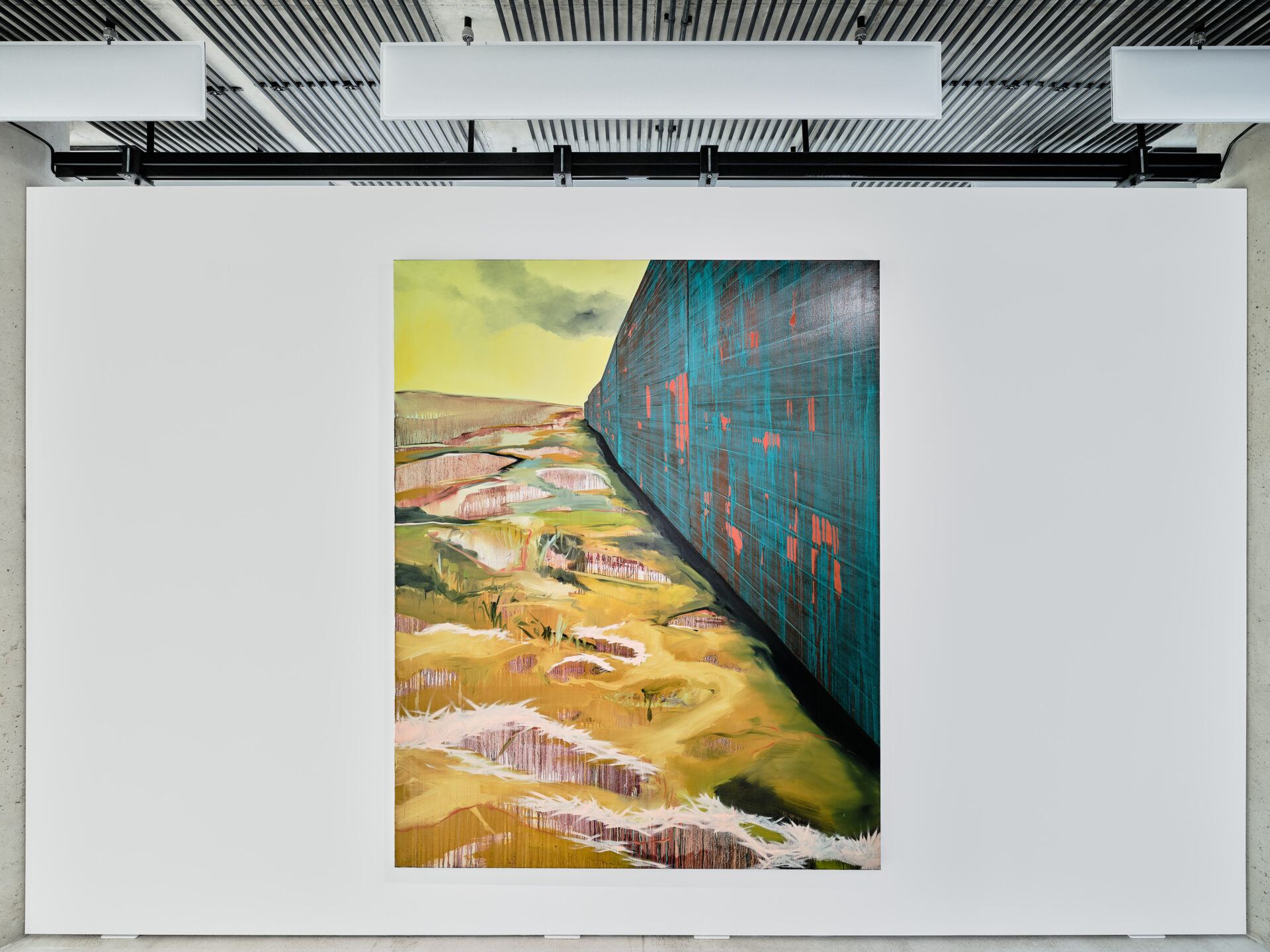
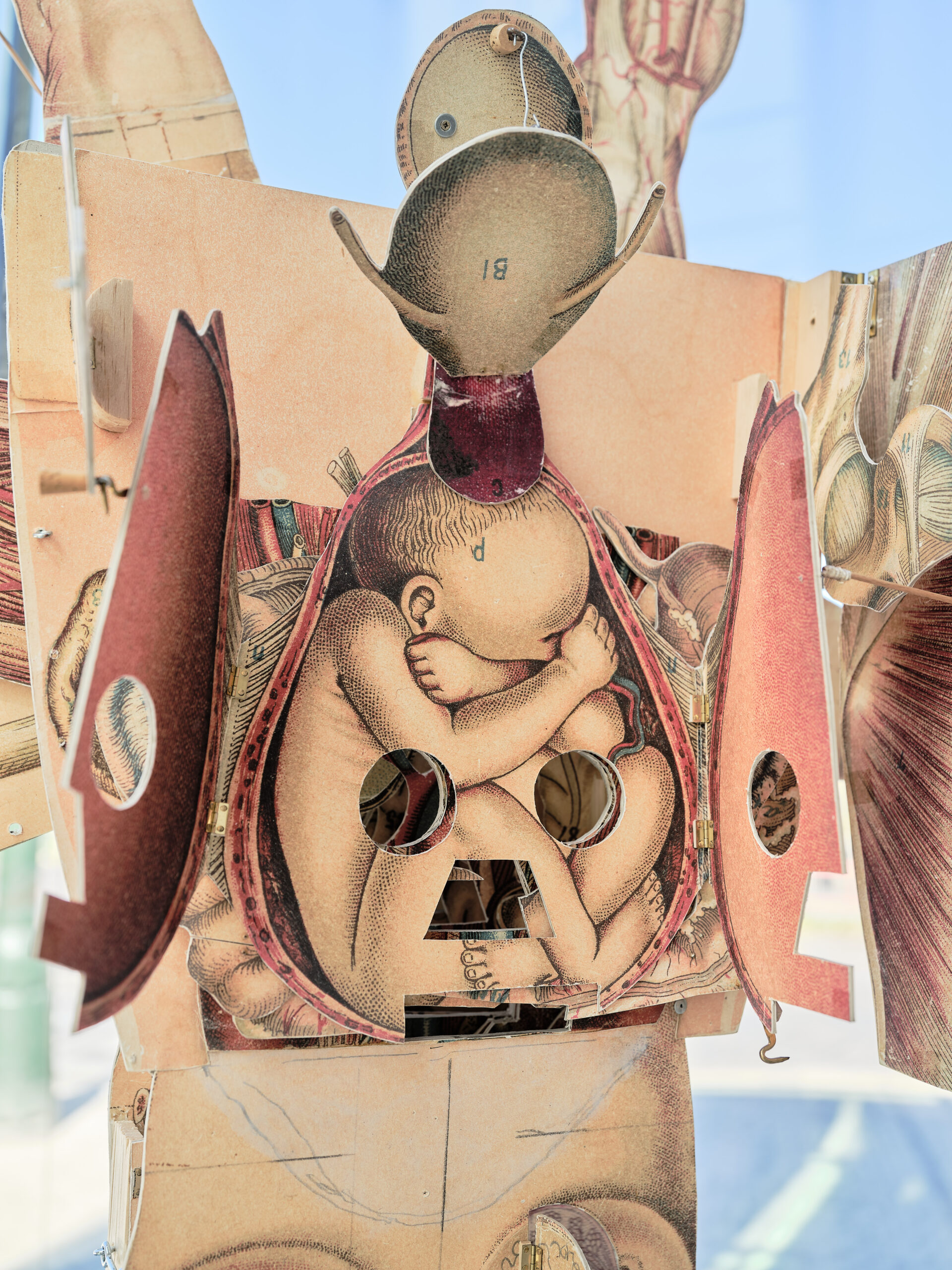
Works by Alex Červený, Bianca Argimón, Renaud Auguste-Dormeuil, Romain Bernini, Caroline Corbasson, Patrick Van Caeckenbergh, Bharti Kher, Verne Dawson, Patricia Domínguez, Katja Novitskova, Marguerite Humeau, Charles Avery, Suzanne Treister and Jura Shust develop these questions through different forms of speculation, observation and image-making.
Rather than constructing a linear chronology, Timeline approaches time as a network of overlapping transformations. Kupka and Reclus’s early twentieth-century collaboration becomes a point from which historical, planetary and speculative temporalities can be viewed simultaneously, connecting the history of images with changing ideas of what it means to inhabit the Earth.