it's giving real
Back to exhibitions
16 June – 23 August 2026
Prague, KodlContemporary
Artists: Sarah Bechter, Václav Boštík, Arvida Byström, Hugo Canoilas, Natacha Donzé, Jan Kostohryz, Tadeáš Podracký, Gabriela Těthalová, Kristian Touborg
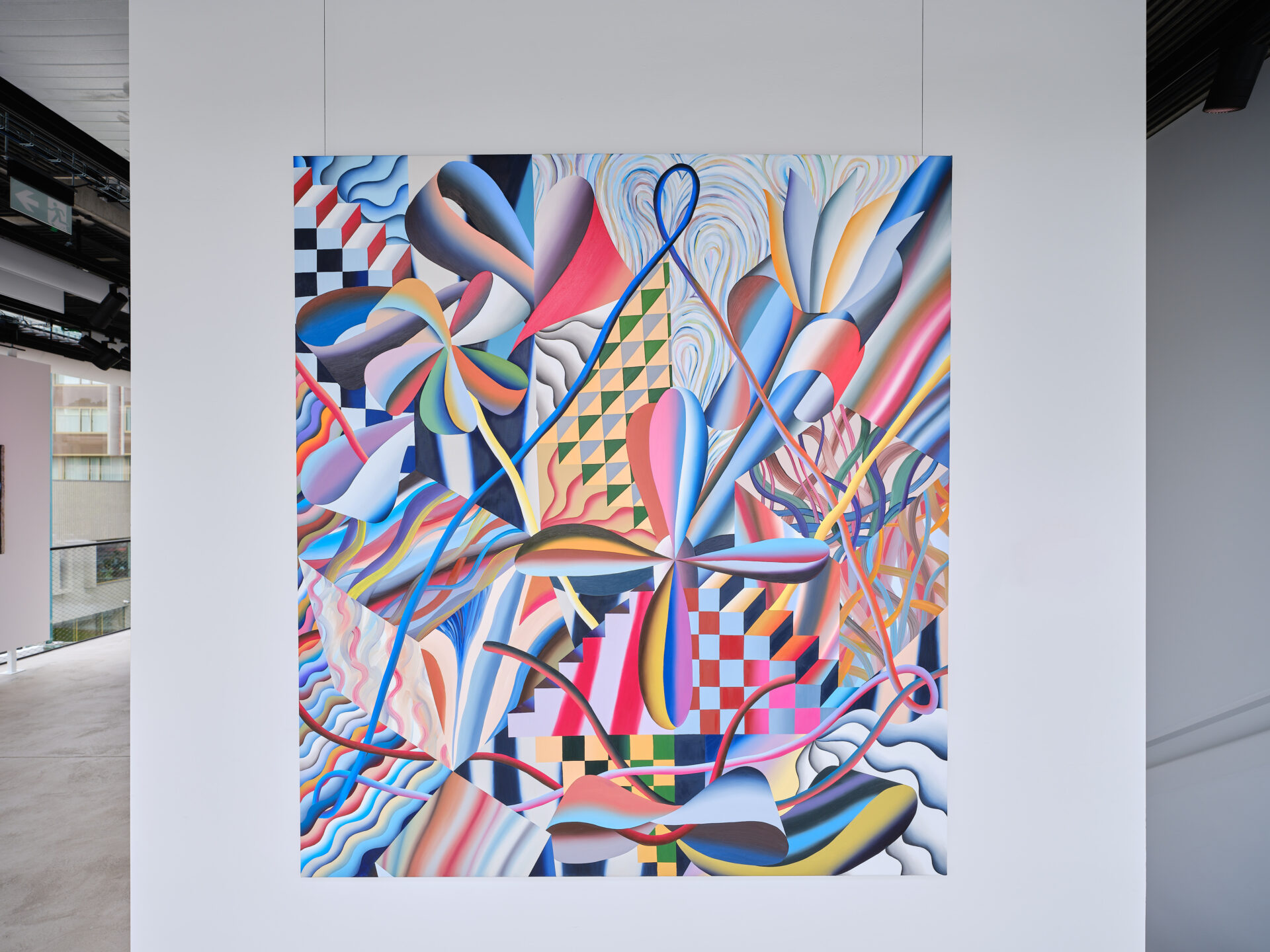
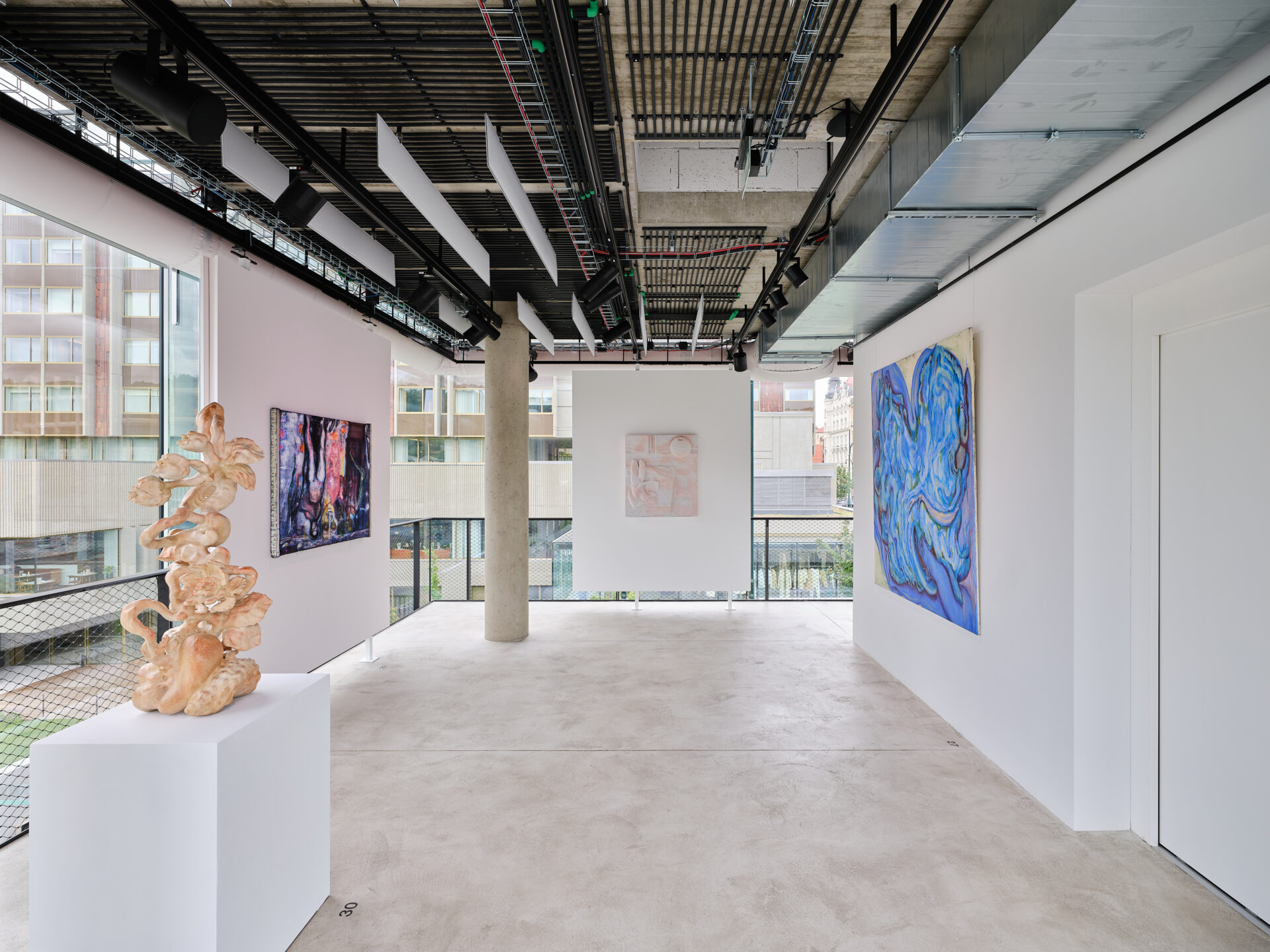
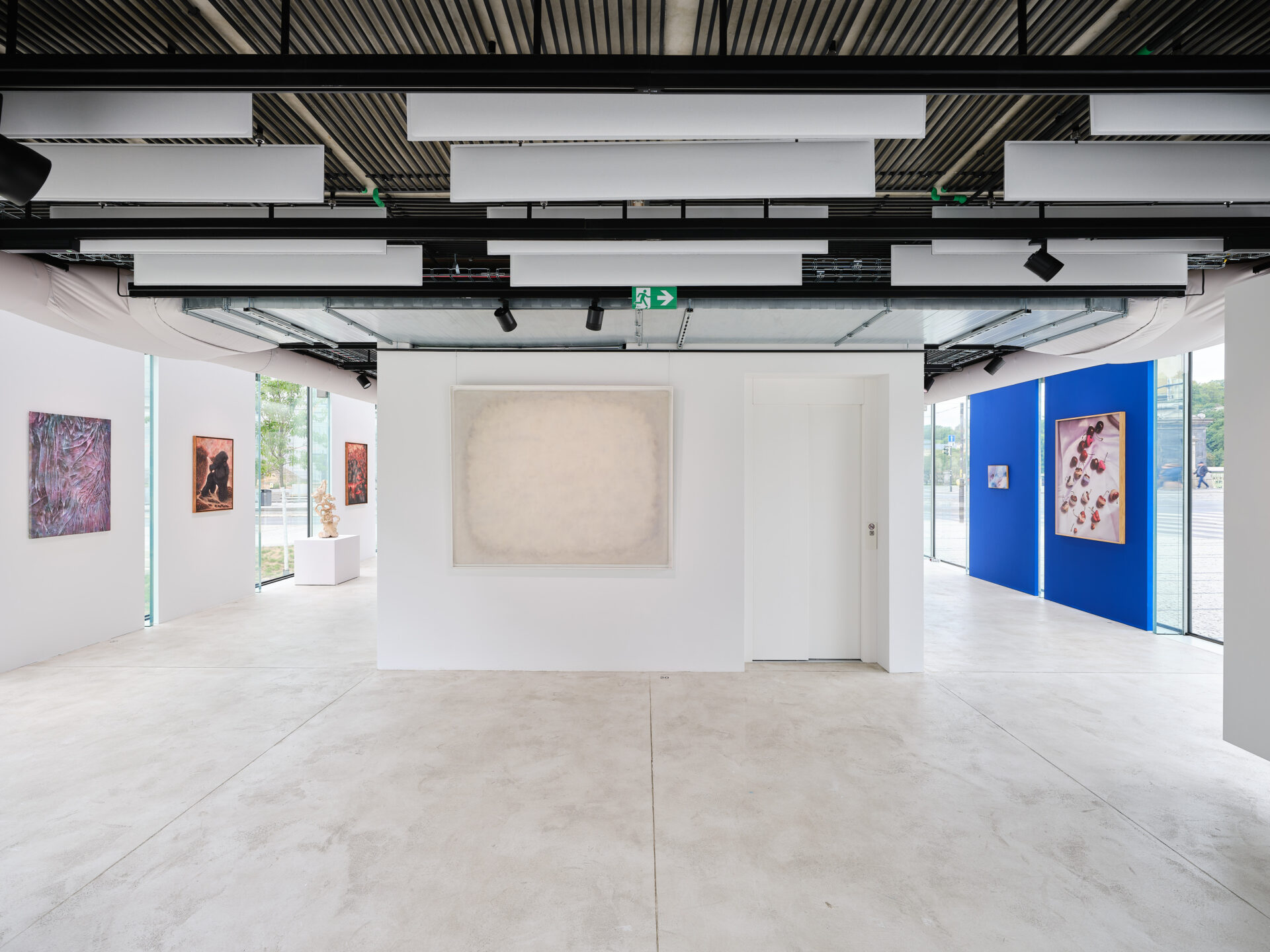
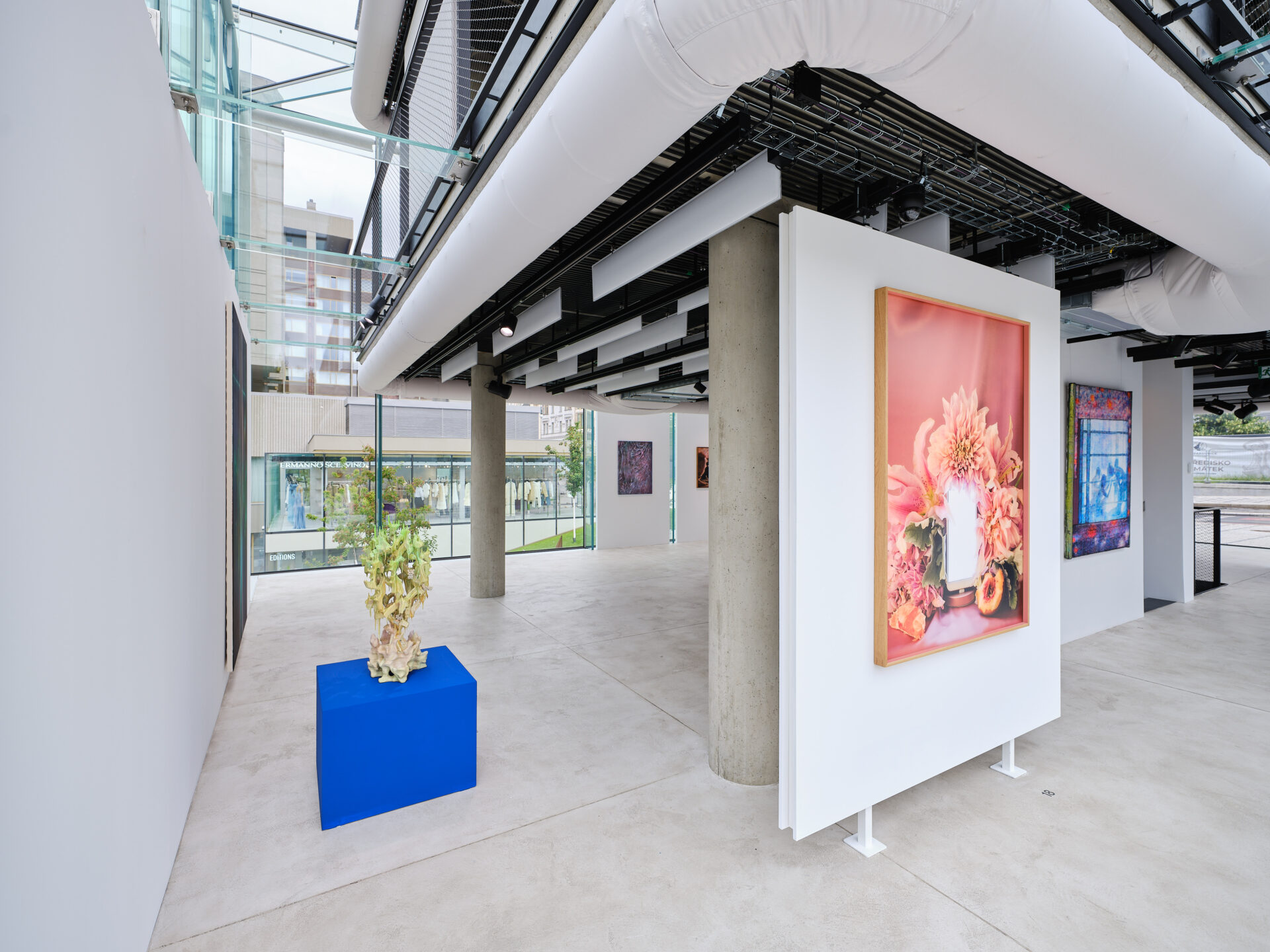
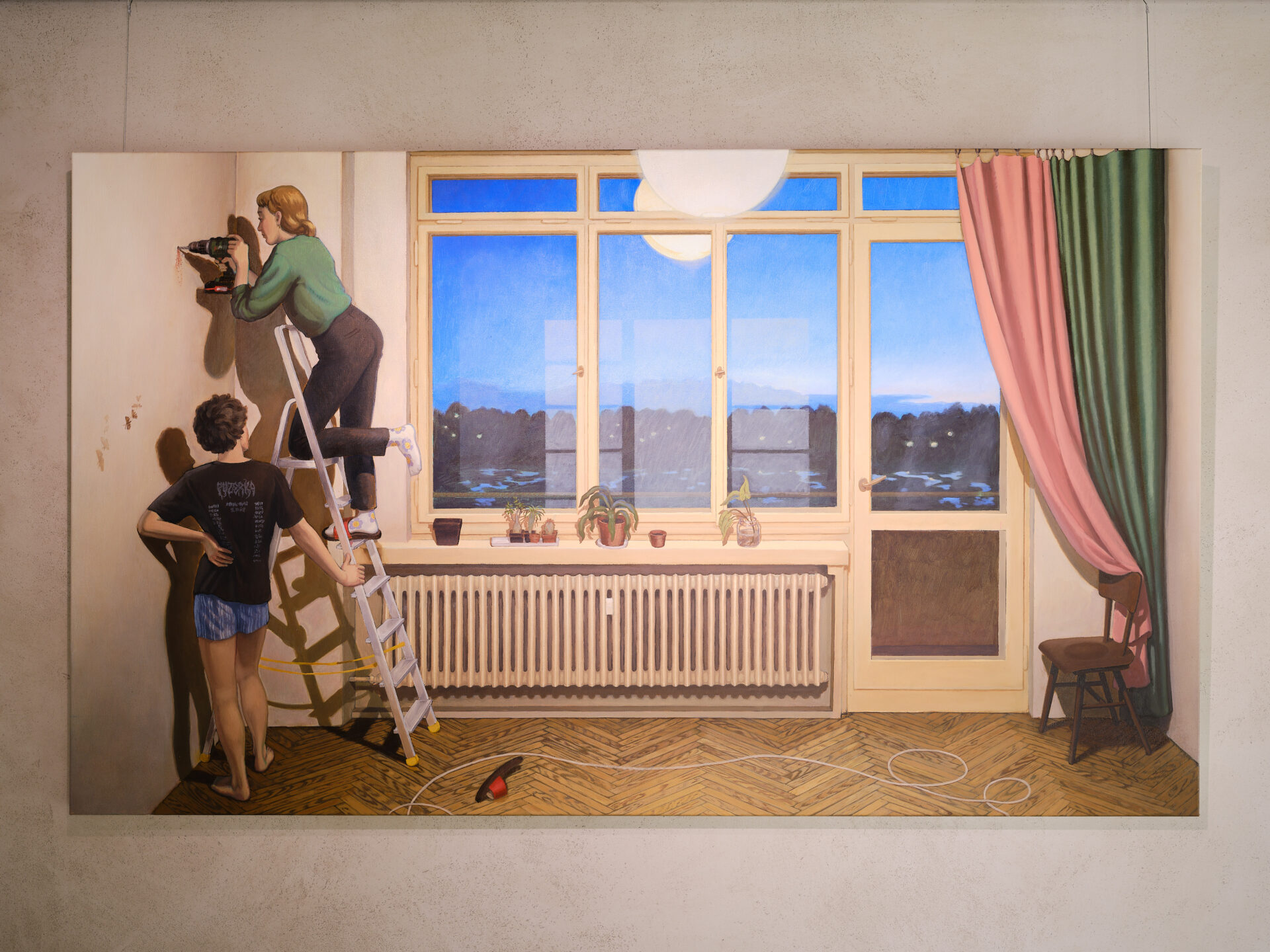
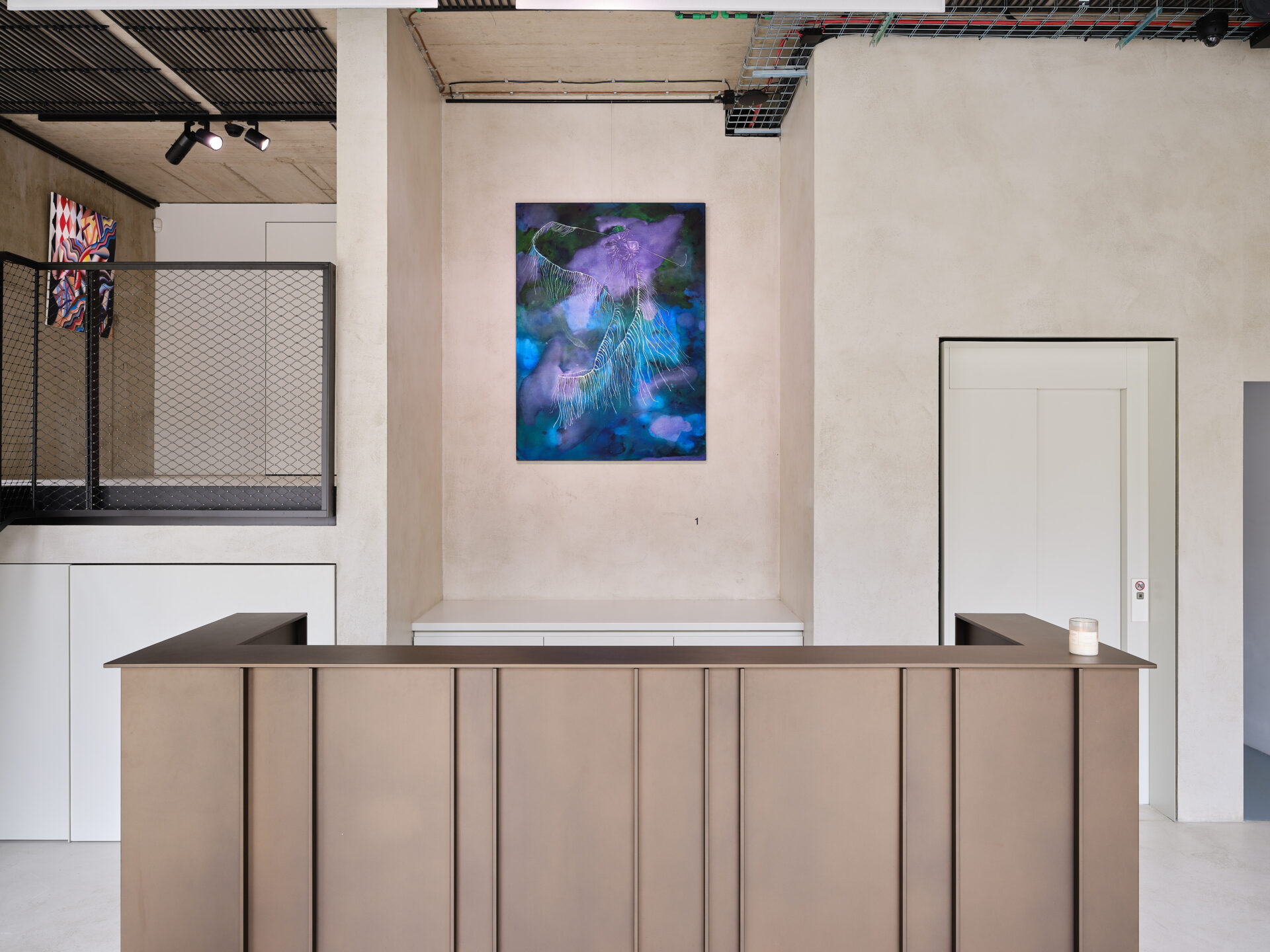
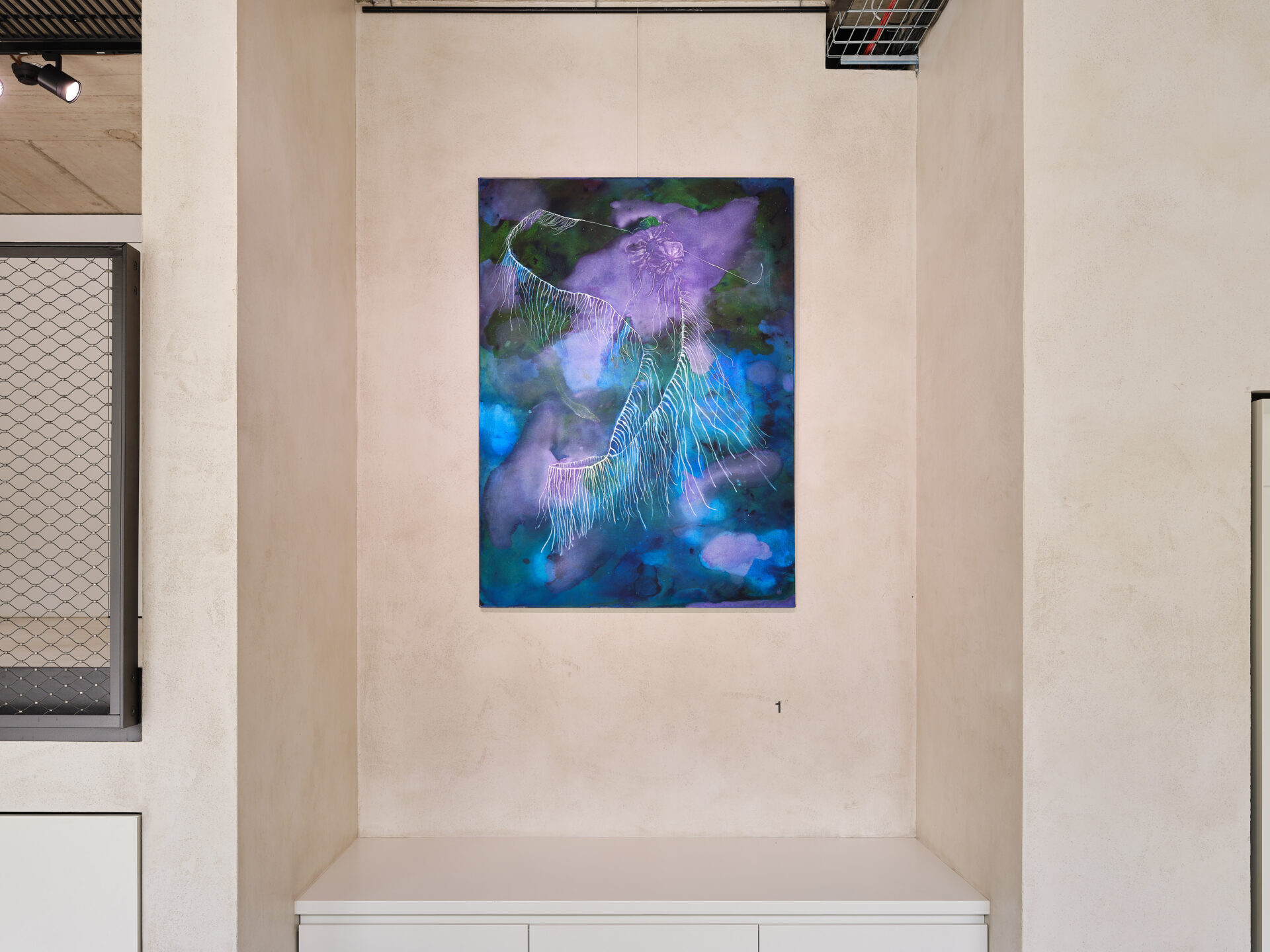
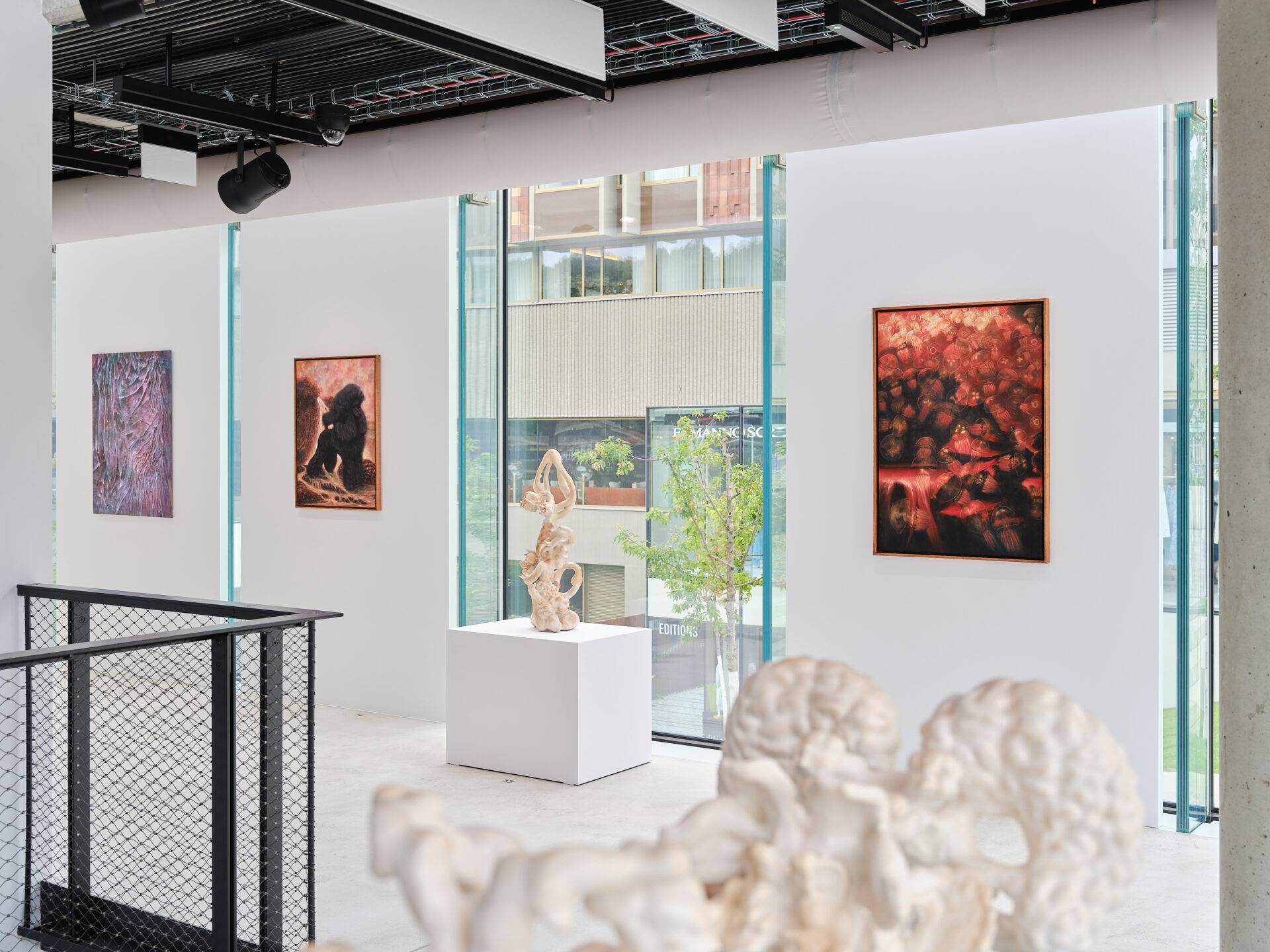
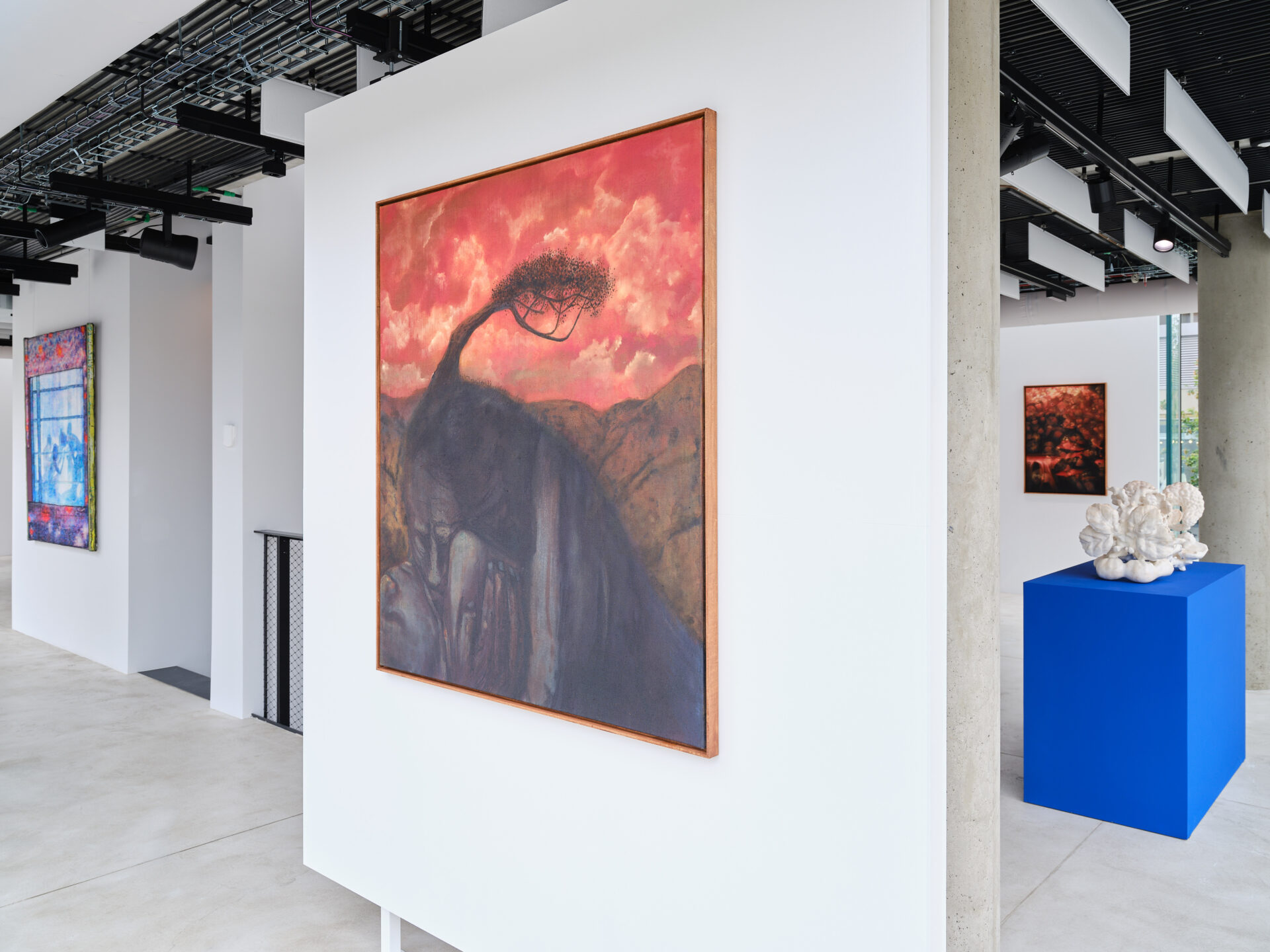
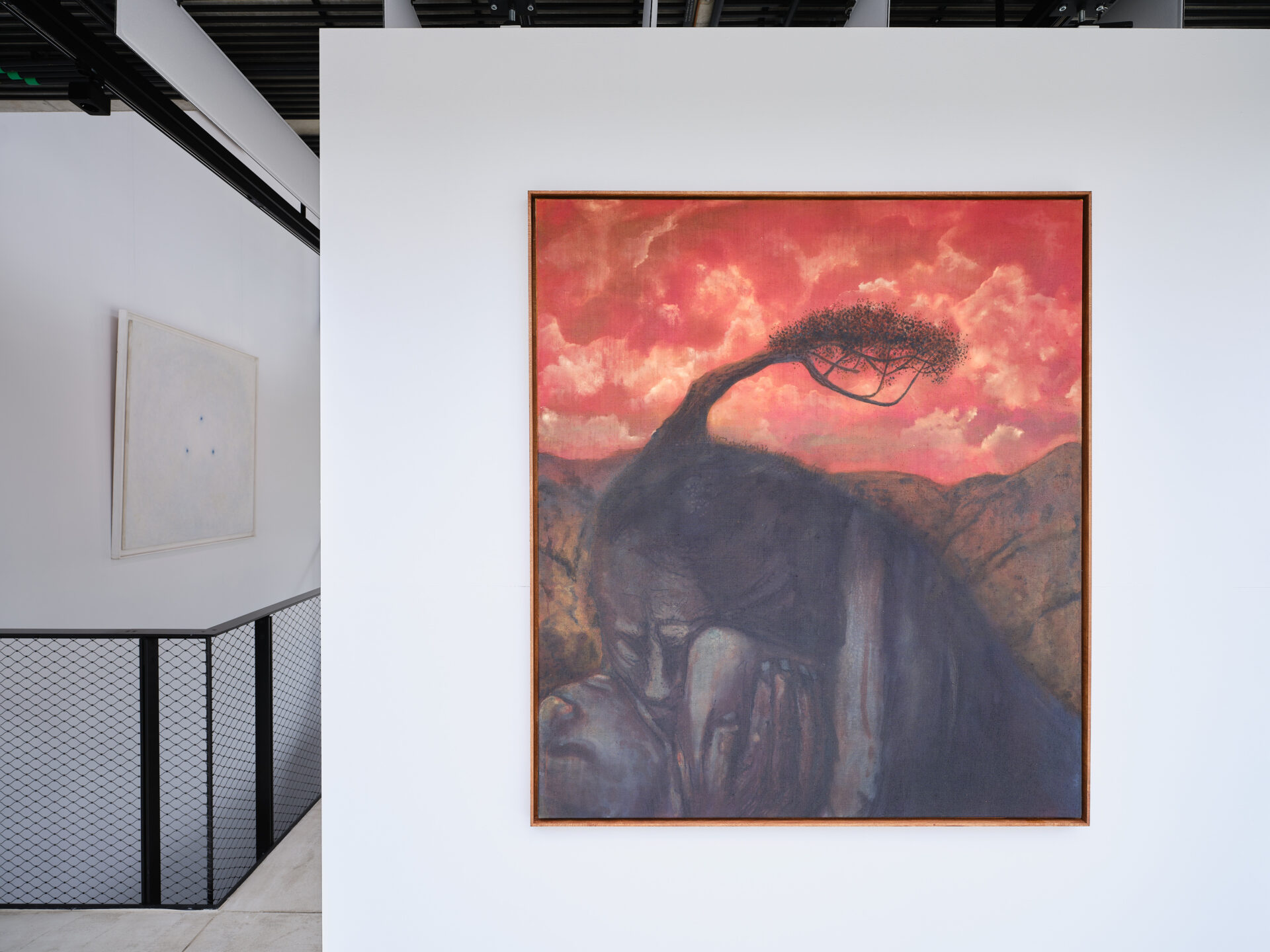
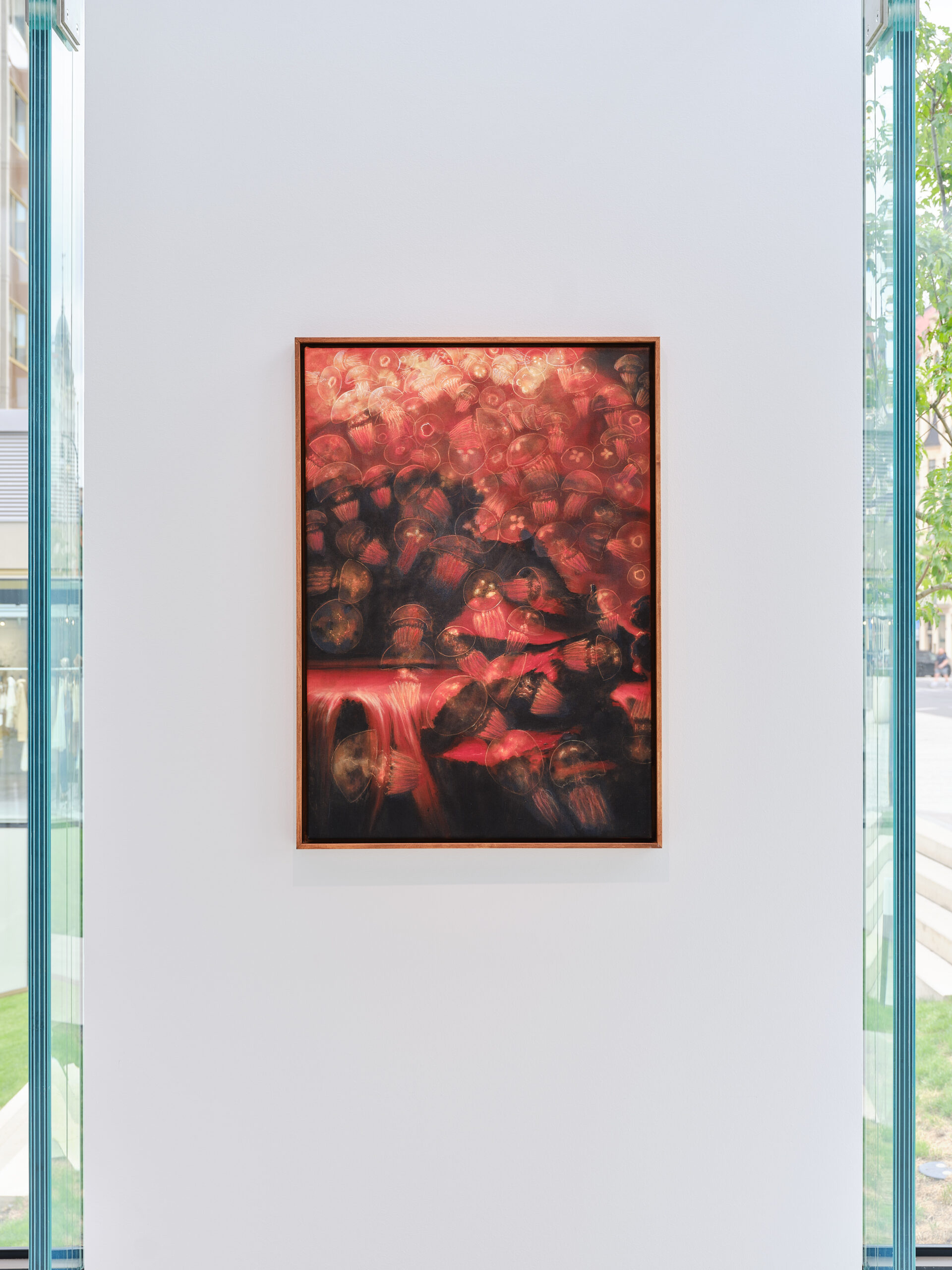
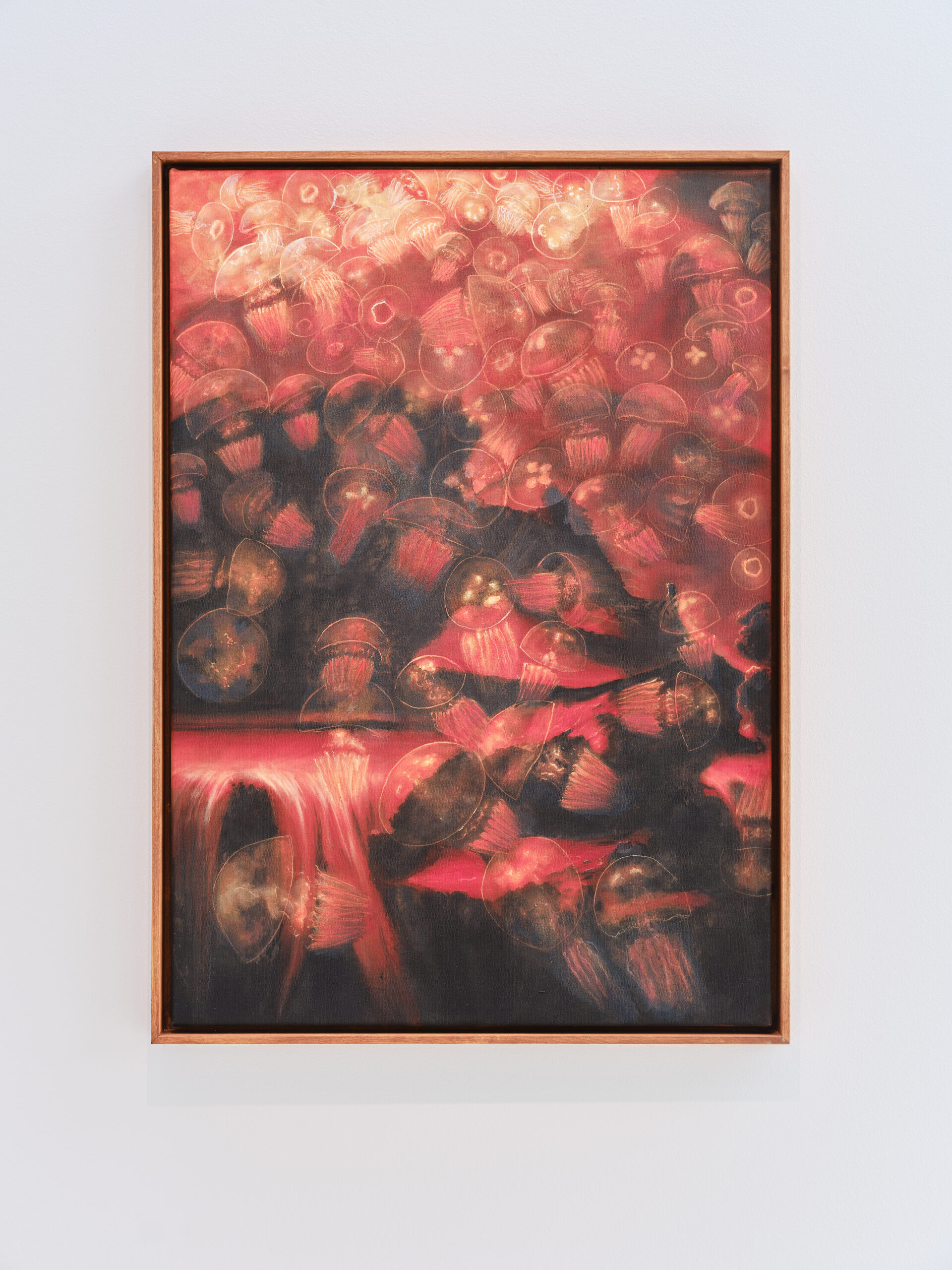
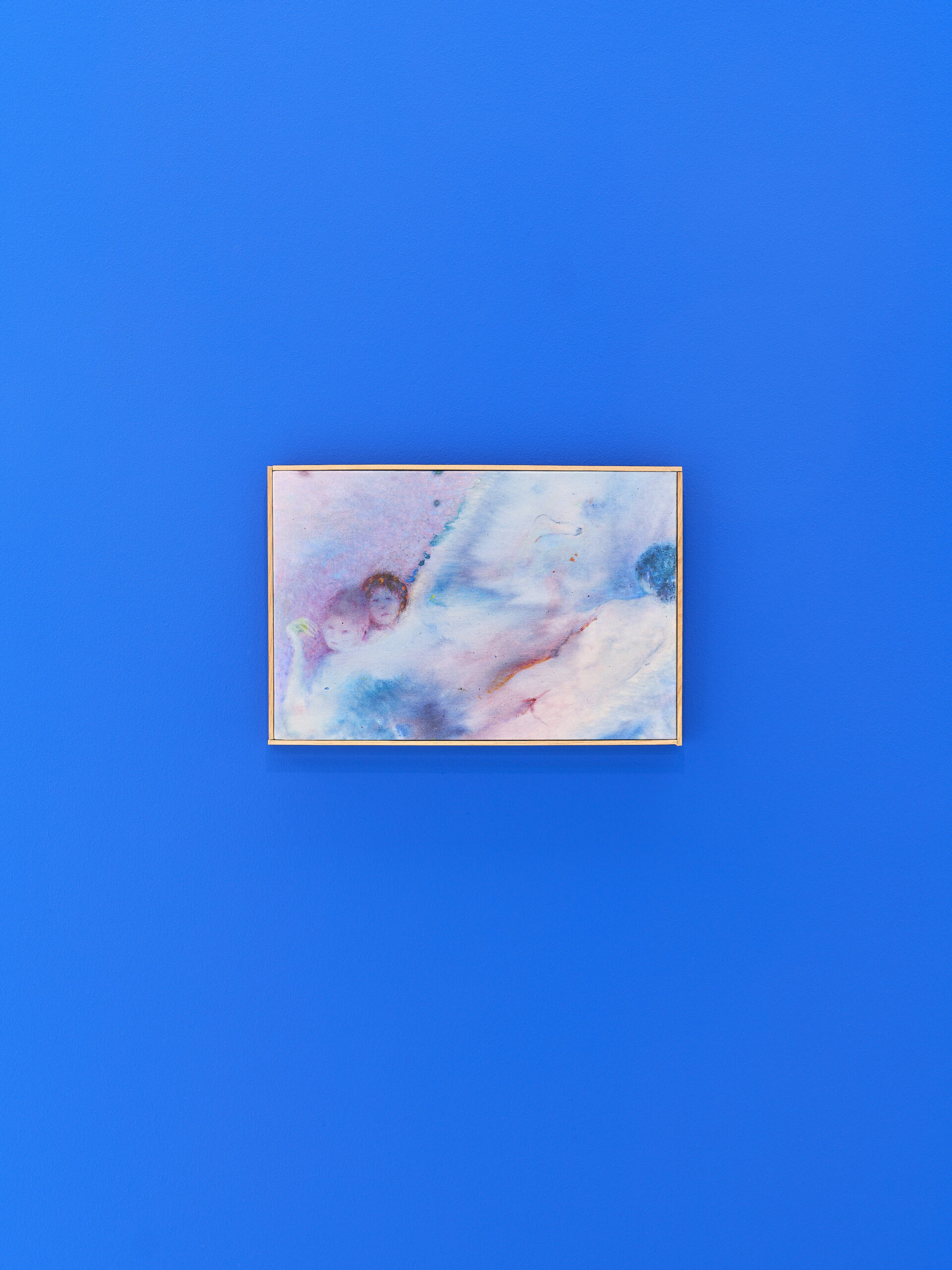
The exhibition it’s giving real explores how images shape our perception of the world and how the conditions under which we consider them trustworthy and intelligible are changing. At a time when images are becoming increasingly detached from what they are supposed to represent, the question is no longer simply whether they are true or false, but also how we assign meaning to them. The artists in the exhibition examine shifting boundaries between reality and fiction, body and image, humans and their environment, presence and representation, revealing that meaning emerges not only within the artwork itself but also through our ways of looking and the cultural assumptions we bring with us. In this context, the work of Václav Boštík serves as a reminder that the uncertainty of the image is not exclusively a contemporary concern. Questions of perception, orientation, and the relationship between image and reality have long run through the history of art. Rather than asking whether images can be trusted, the exhibition considers how images shape our understanding of reality and influence the very categories through which we make sense of the world.
Karolína Lapešová, Natálie Kubíková
We still ask images to steady the world, even when they no longer answer to it. What appears before us continues to arrive with the old force of evidence, though that force feels increasingly thin. Images circulate with an “invisible” independence from what they’re tasked to represent. They persuade easily. Yet the problem is that they no longer keep meaning securely in place. Bodies slide into ornament and surfaces behave like thresholds. In fact, the issue is not only about the so-called truth, but taxonomy: the set of distinctions through which the visible is sorted and made intelligible. This exhibition begins from that instability. Not because art ever generated images as transparent, but because the terms by which images are trusted and classified have grown less secure. In The Civil Contract of Photography (2008), Ariella Asha Azoulay rejects the fiction of the autonomous image and relocates meaning in the conditions that make visibility possible in the first place. No image appears alone. Each comes with structures of visibility, the viewer’s habits of recognition, and the histories and blind spots they inevitably carry.
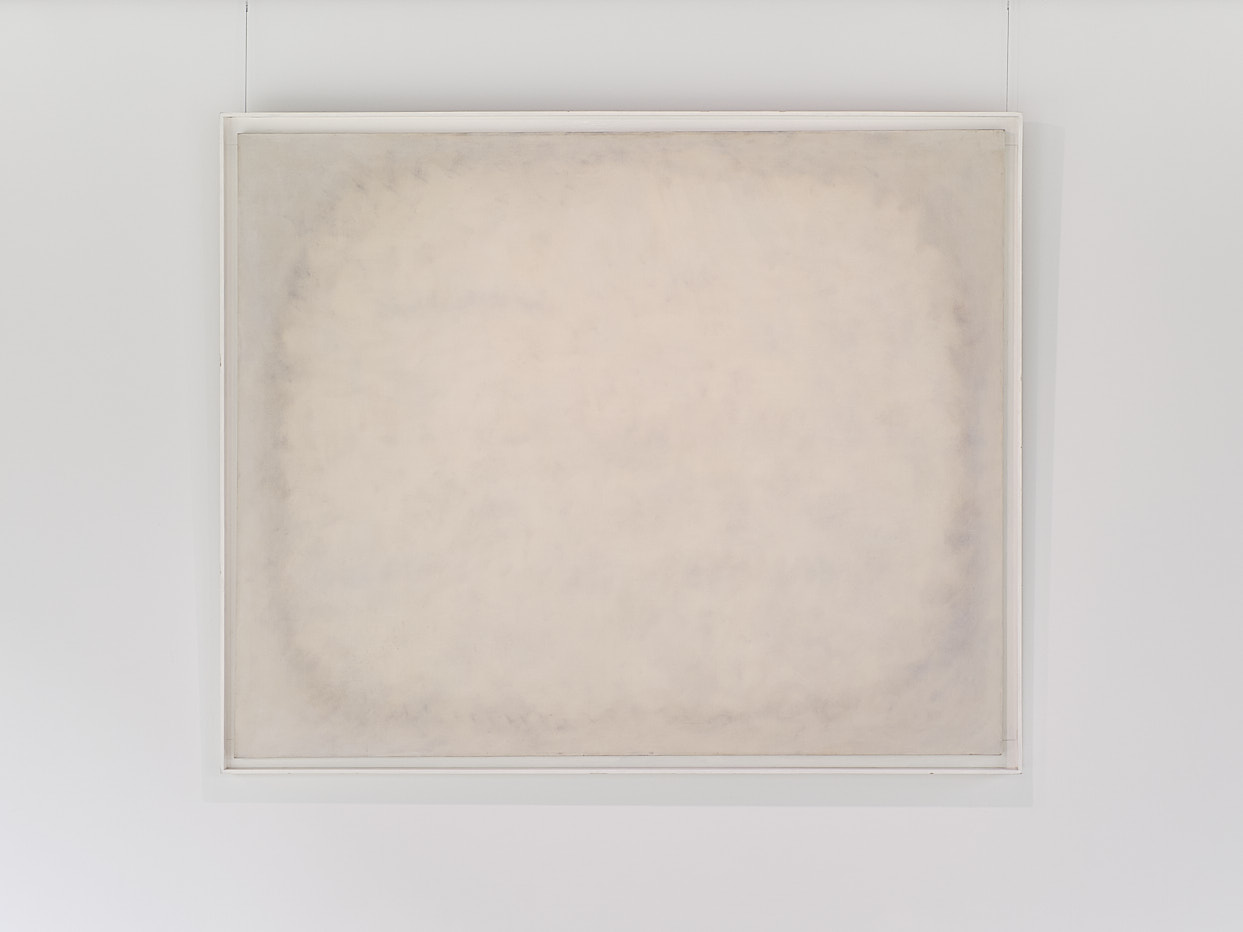
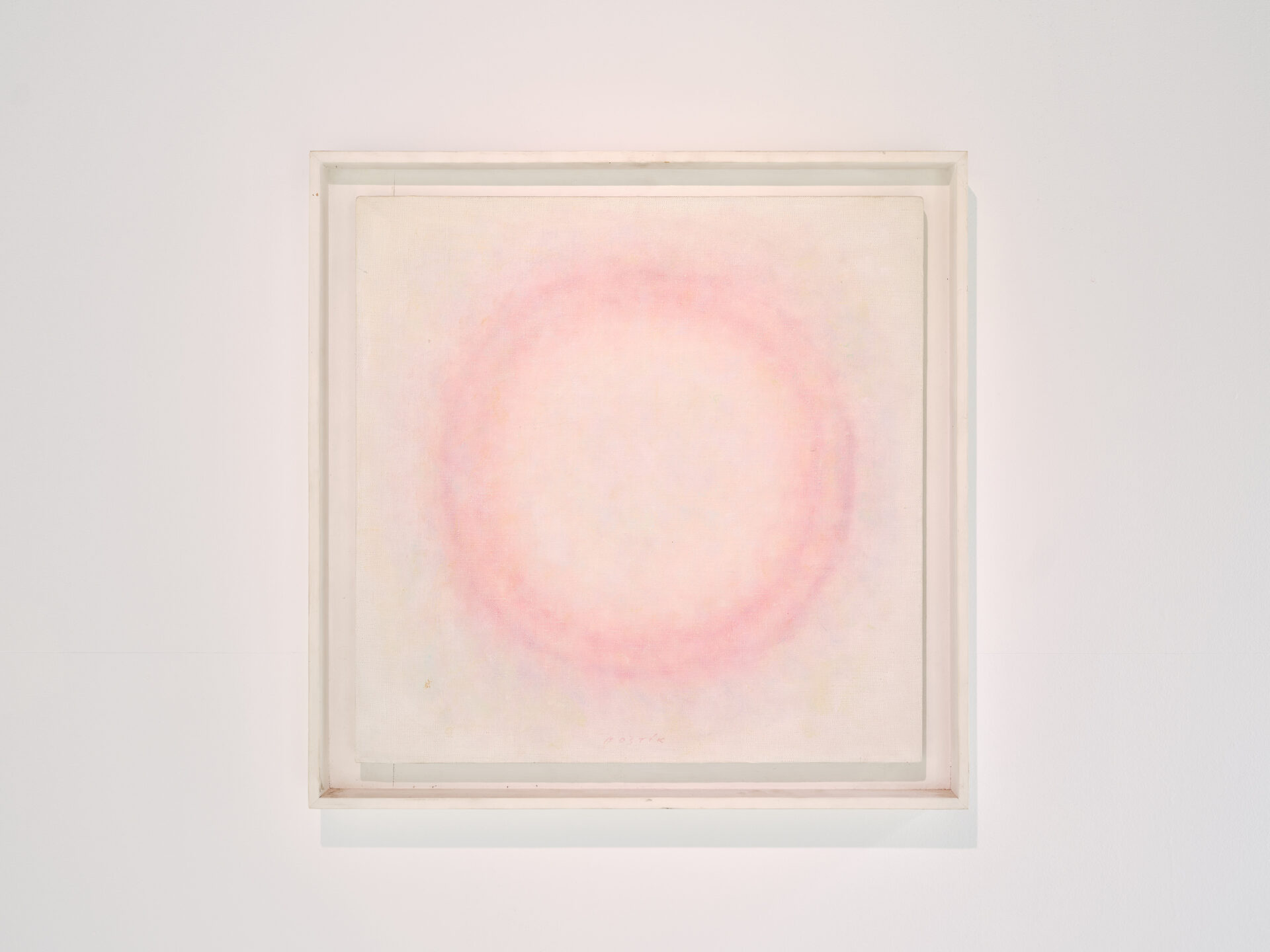
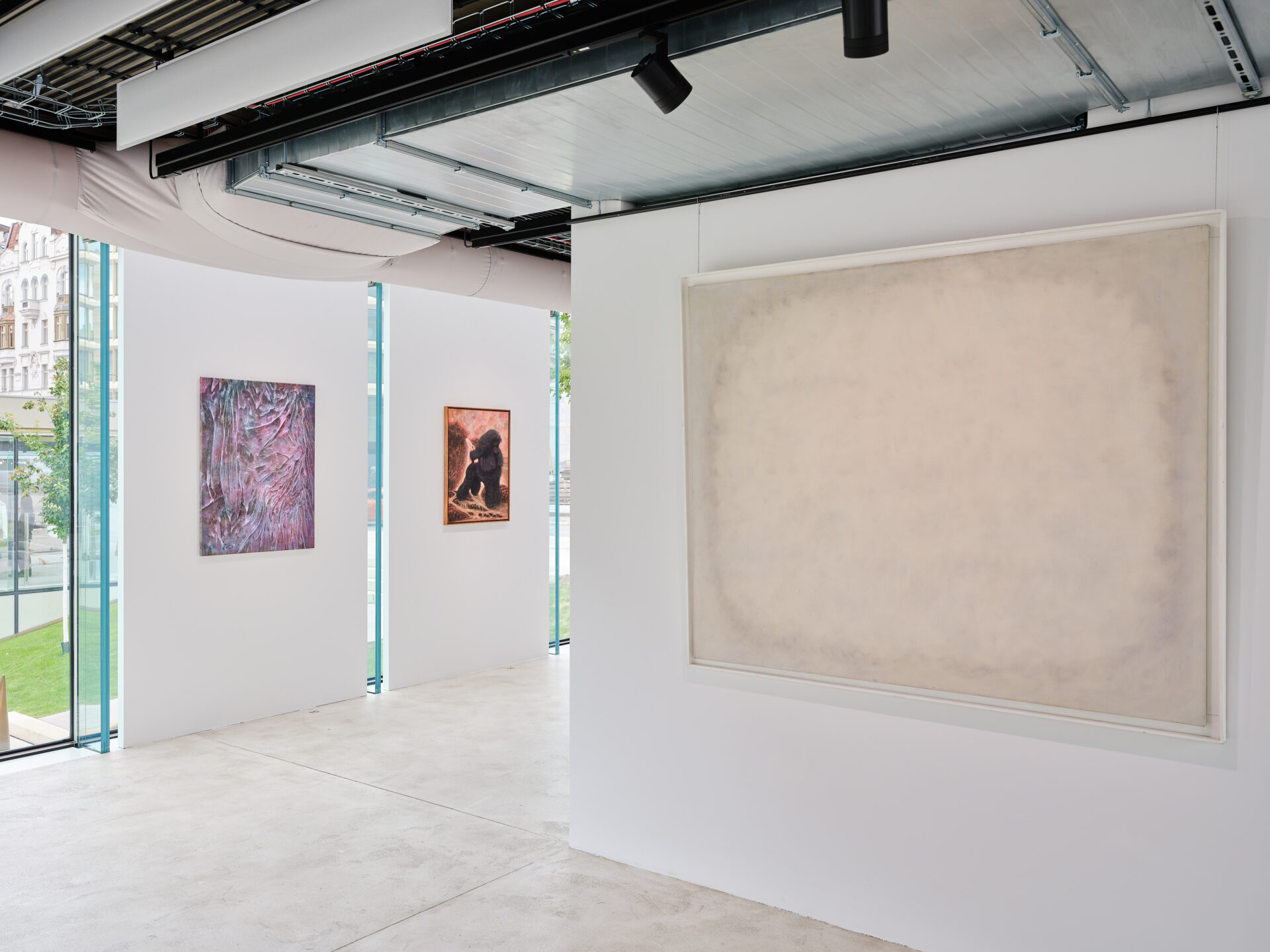
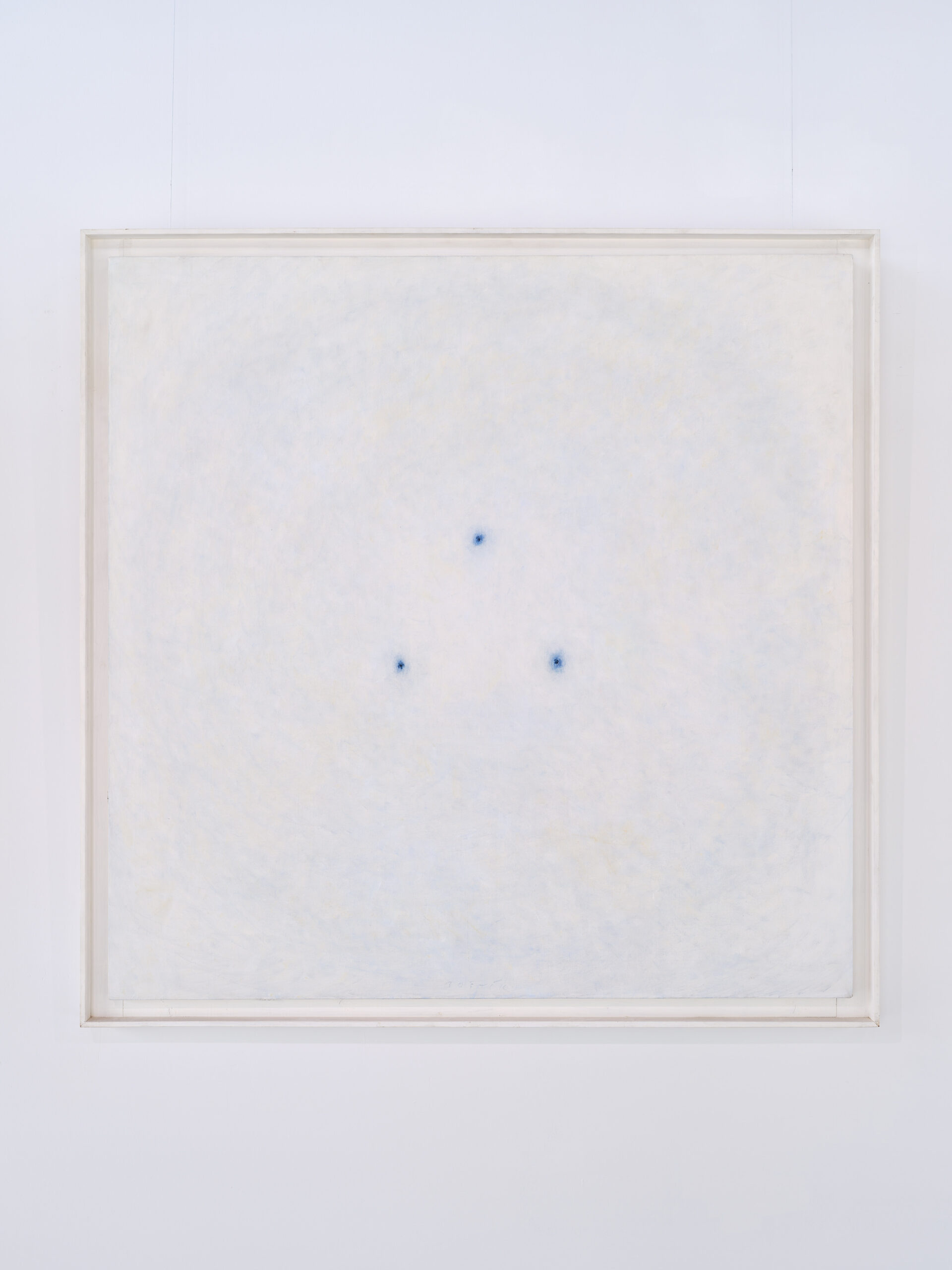
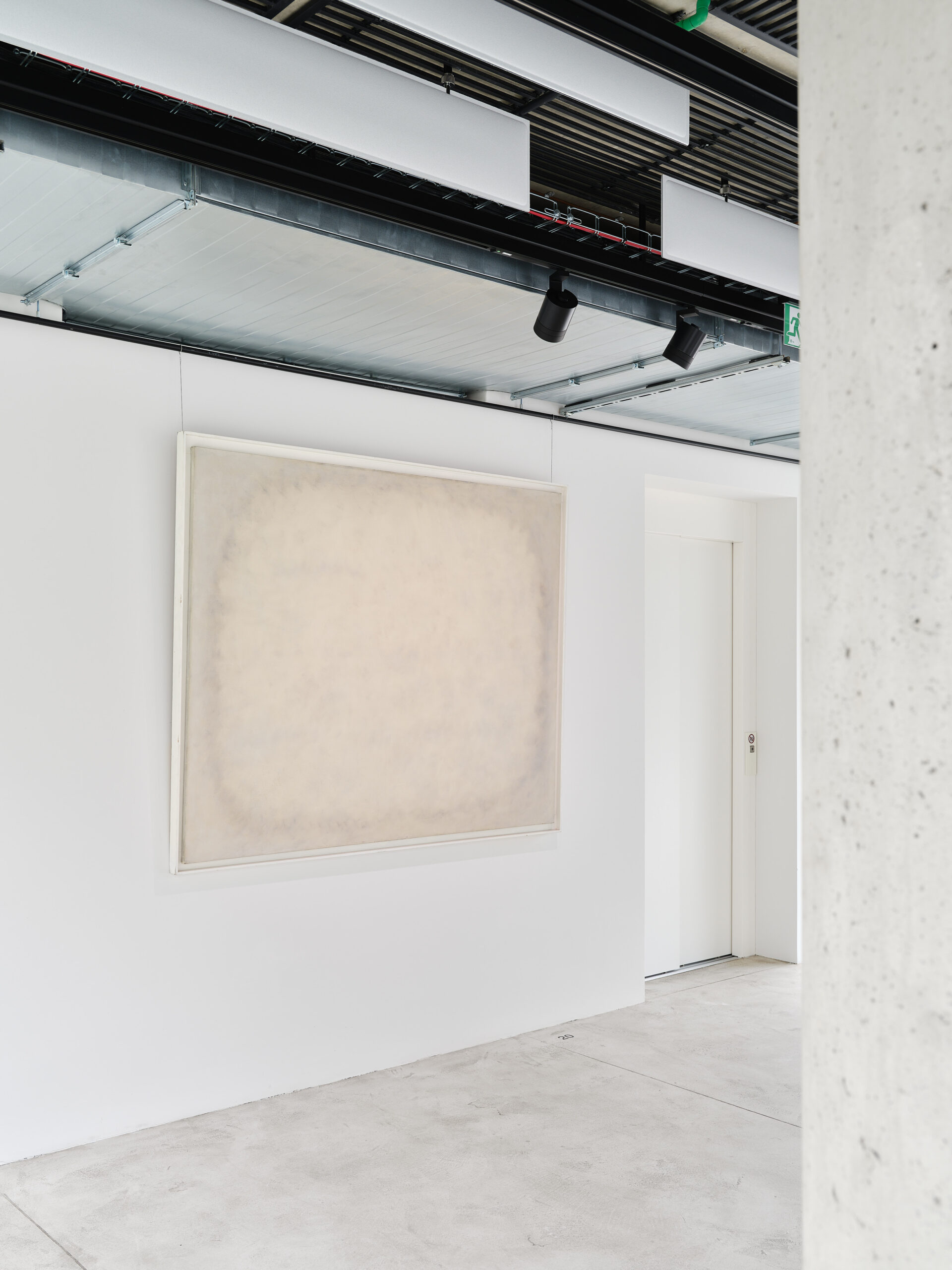
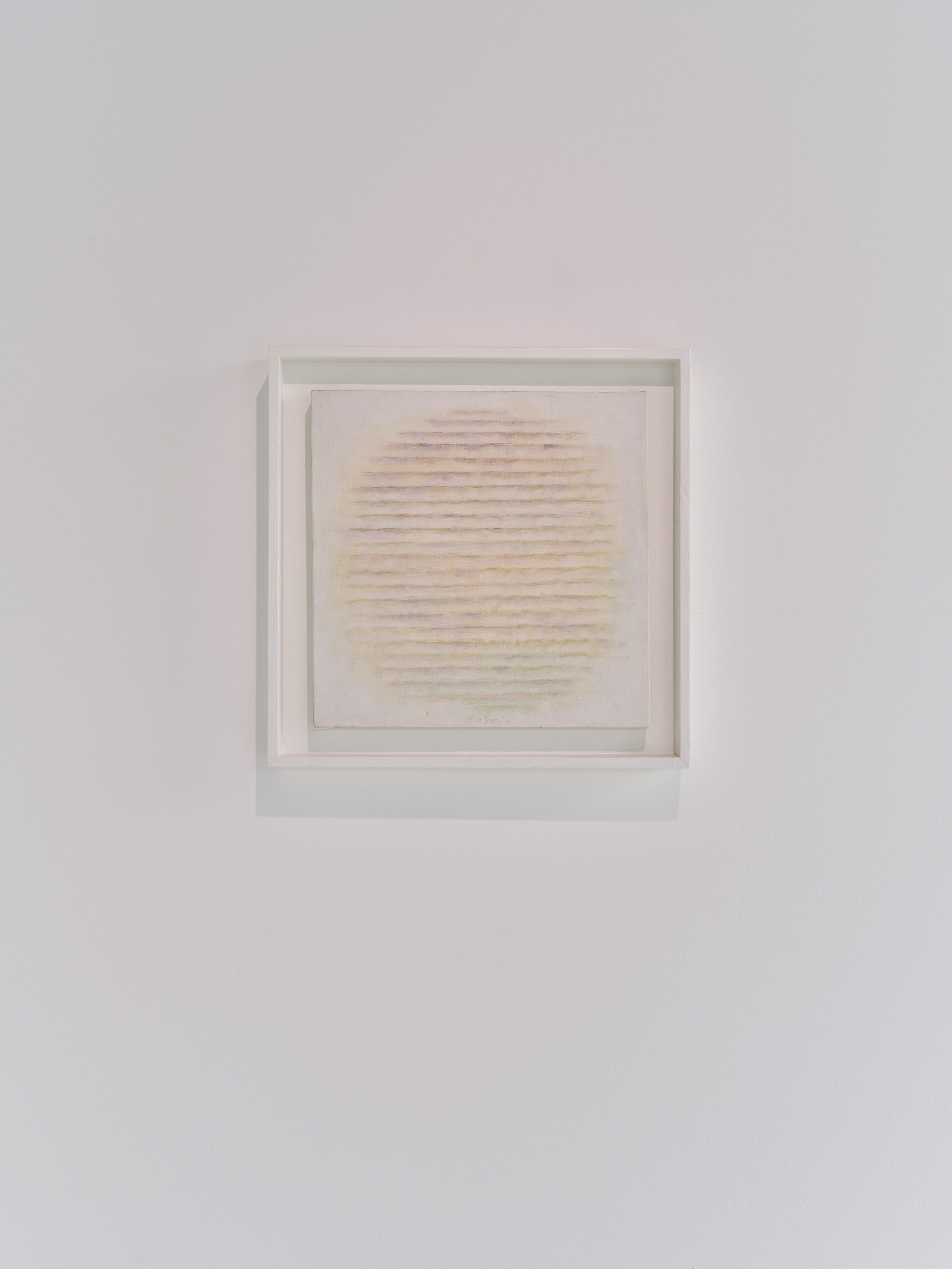
Václav Boštík (1913-2005), born in Horni Sloupnice and active for most of his life in Prague, gives this condition a longer history. Boštík belonged to a generation formed by war, occupation, postwar reconstruction, Stalinism, and the long distortions of public life under state socialism. If his later paintings appear quiet, their quiet is hard won. They emerge from a century in which the image was repeatedly pressed into ideological service. Boštík did not answer that crisis by restoring representation, nor by embracing abstraction as pure form. He treated painting as a way of testing whether orientation could still be found on the surface of the canvas. His pale fields suspend the demand for immediate recognition. Seen in relation to the other works on display, they make one thing clear: crises of the image are not always loud. They can also take the form of thinning and withdrawal.
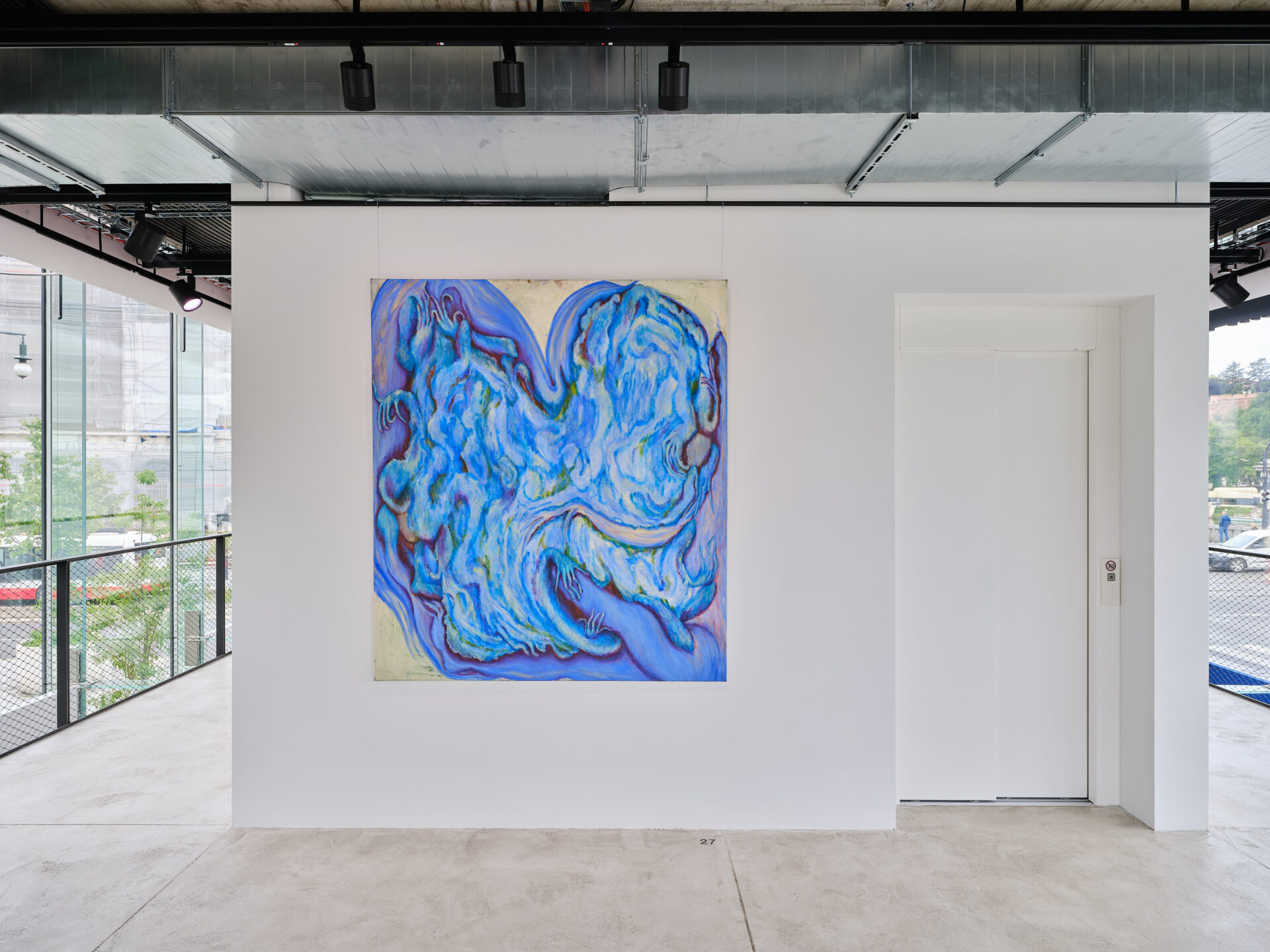
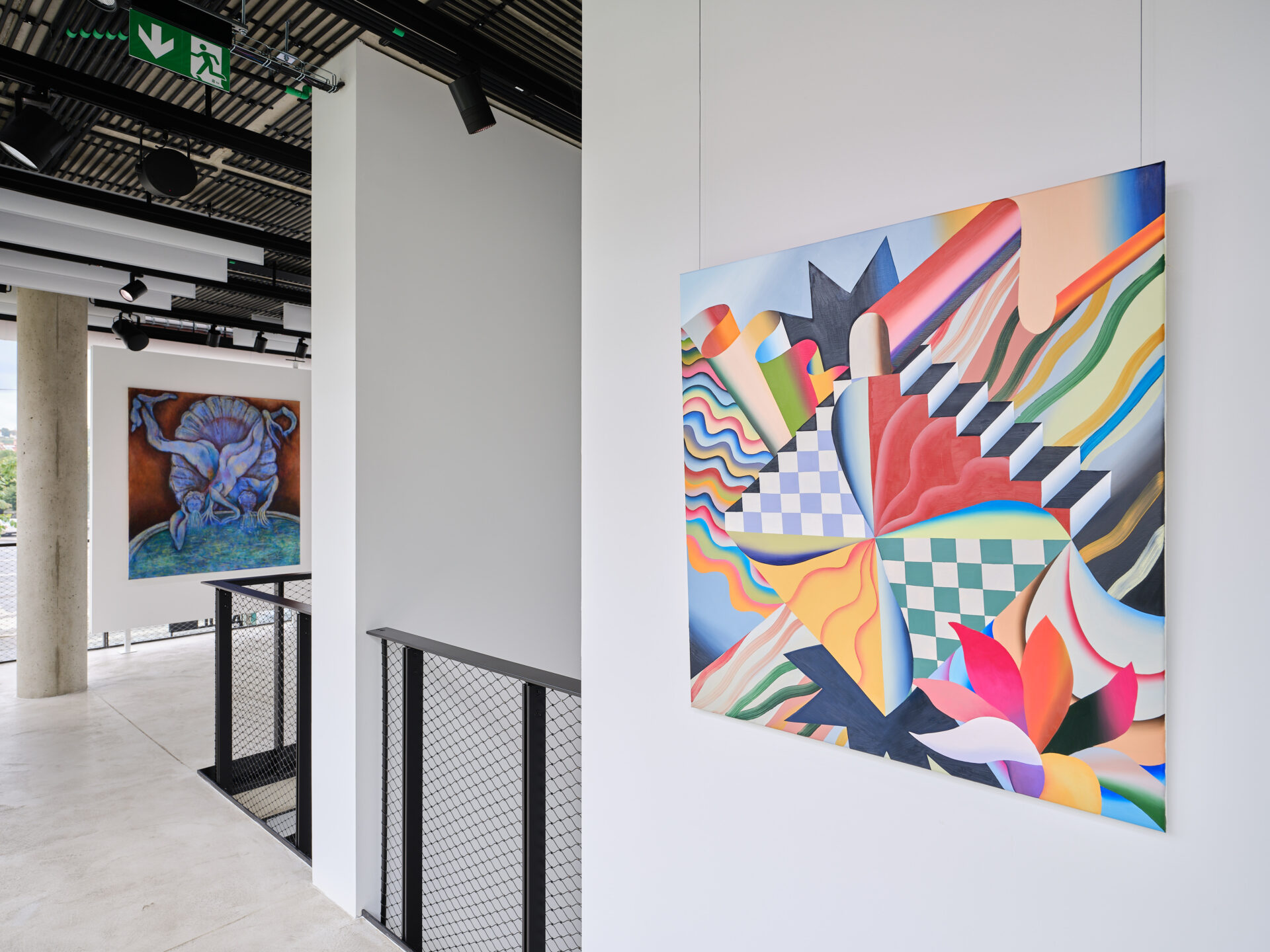
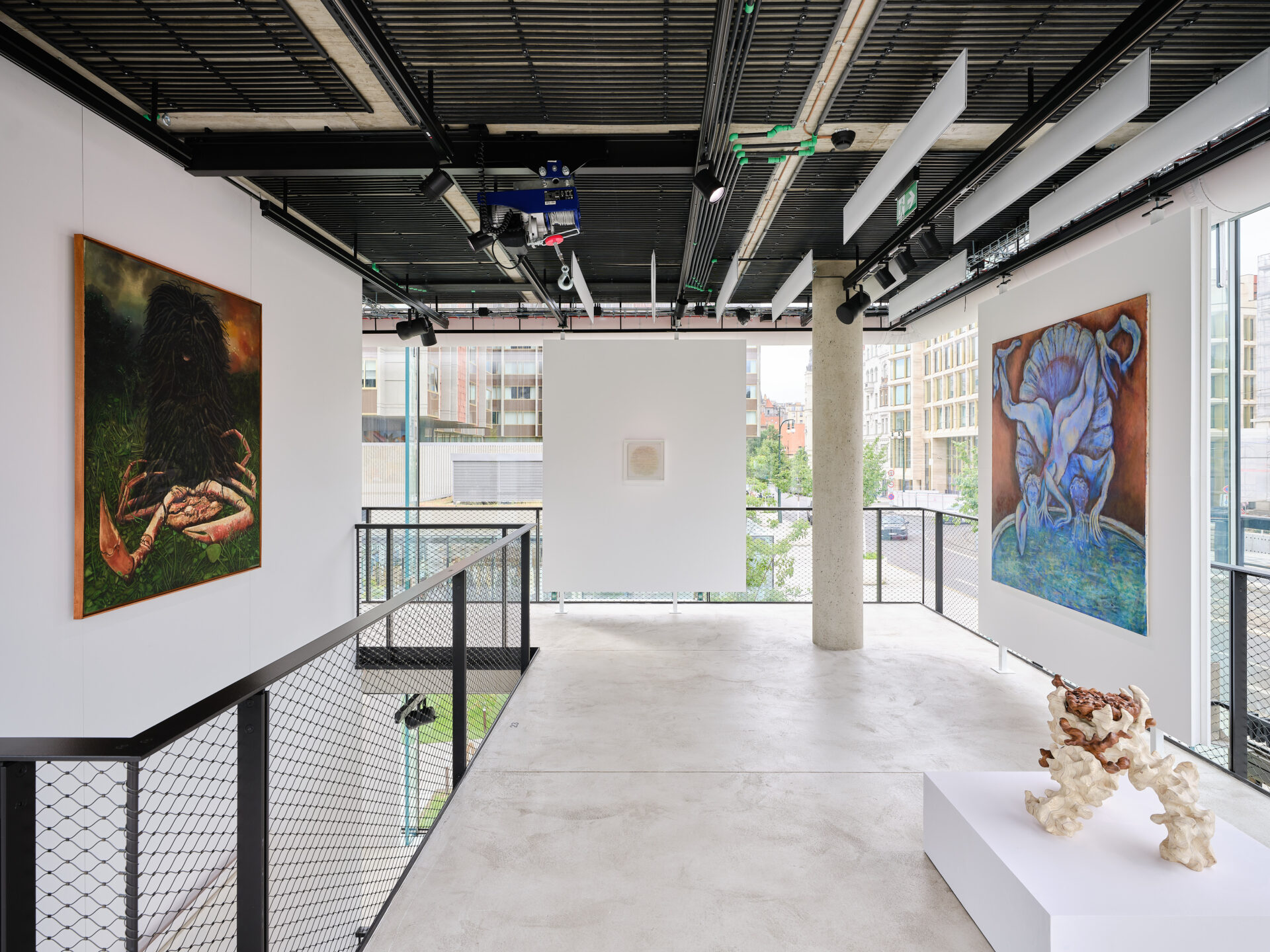
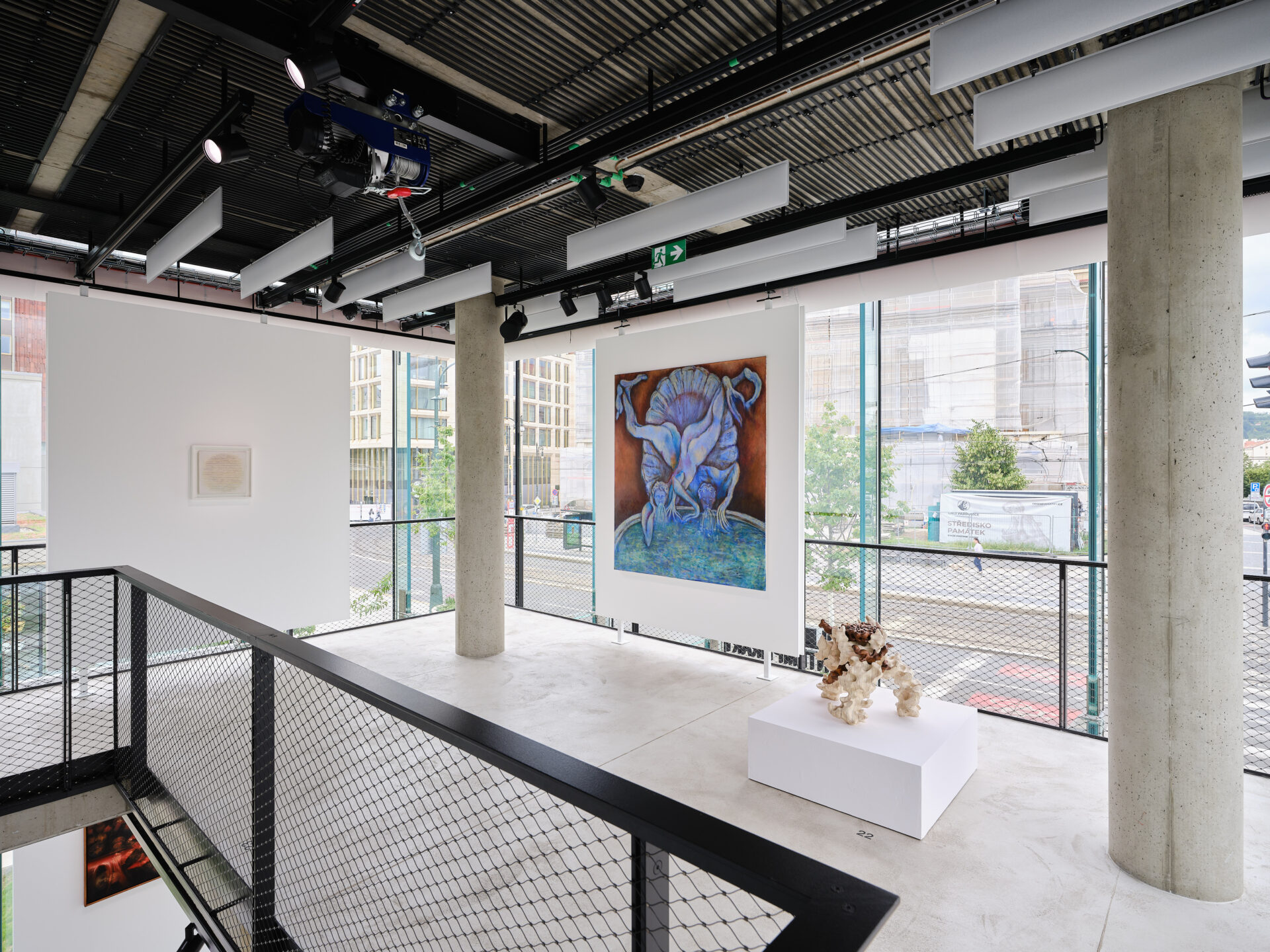
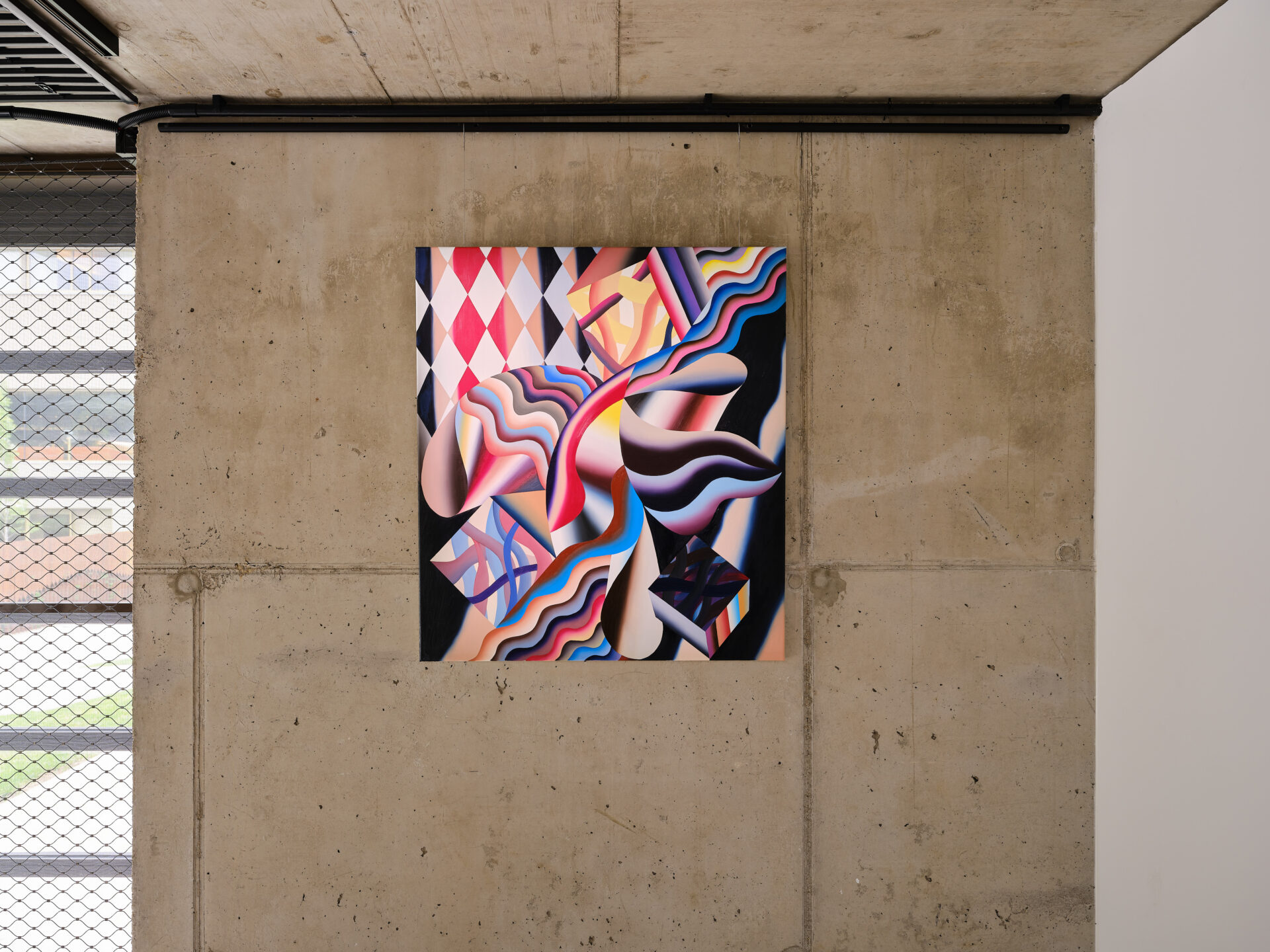
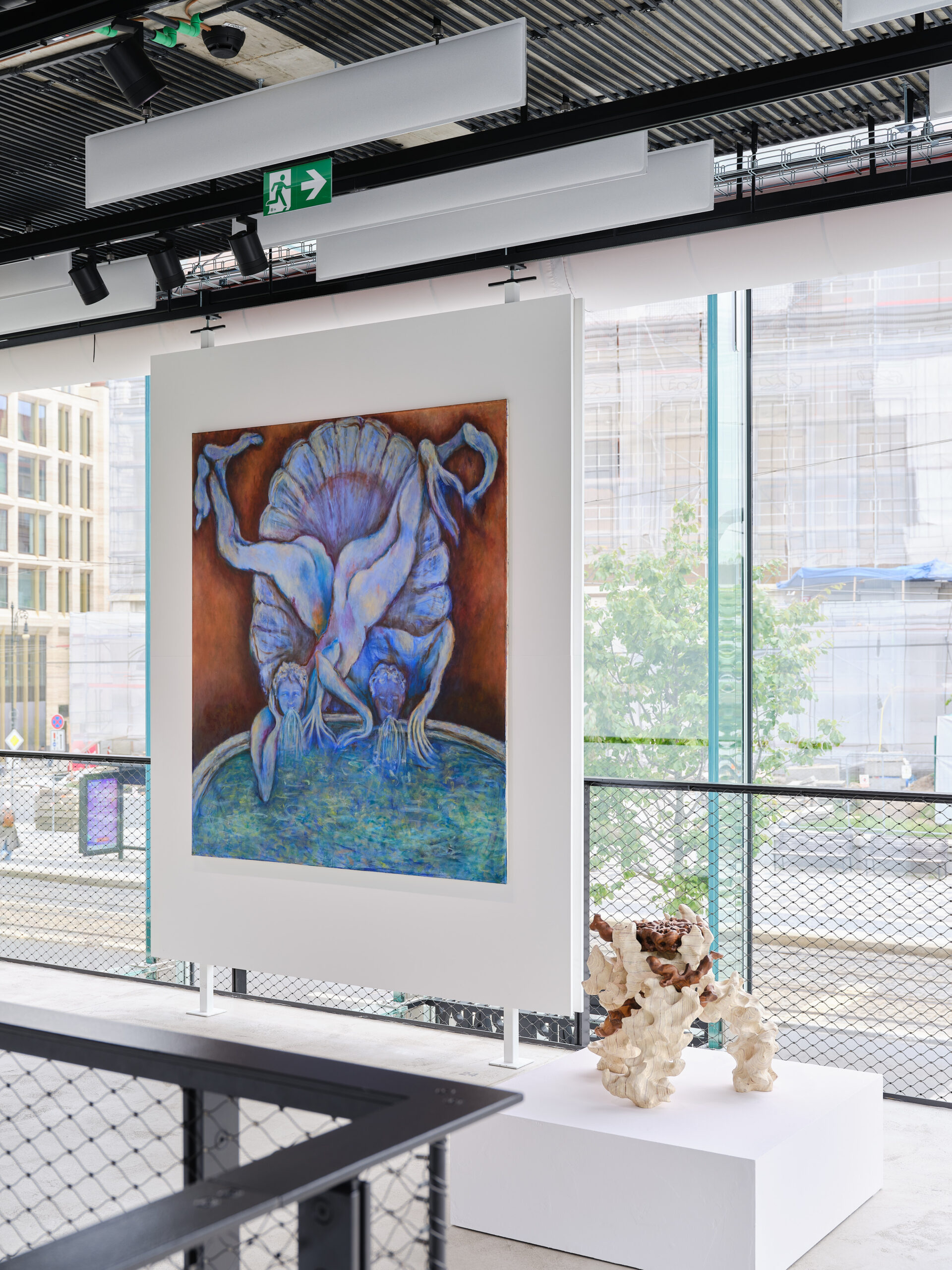
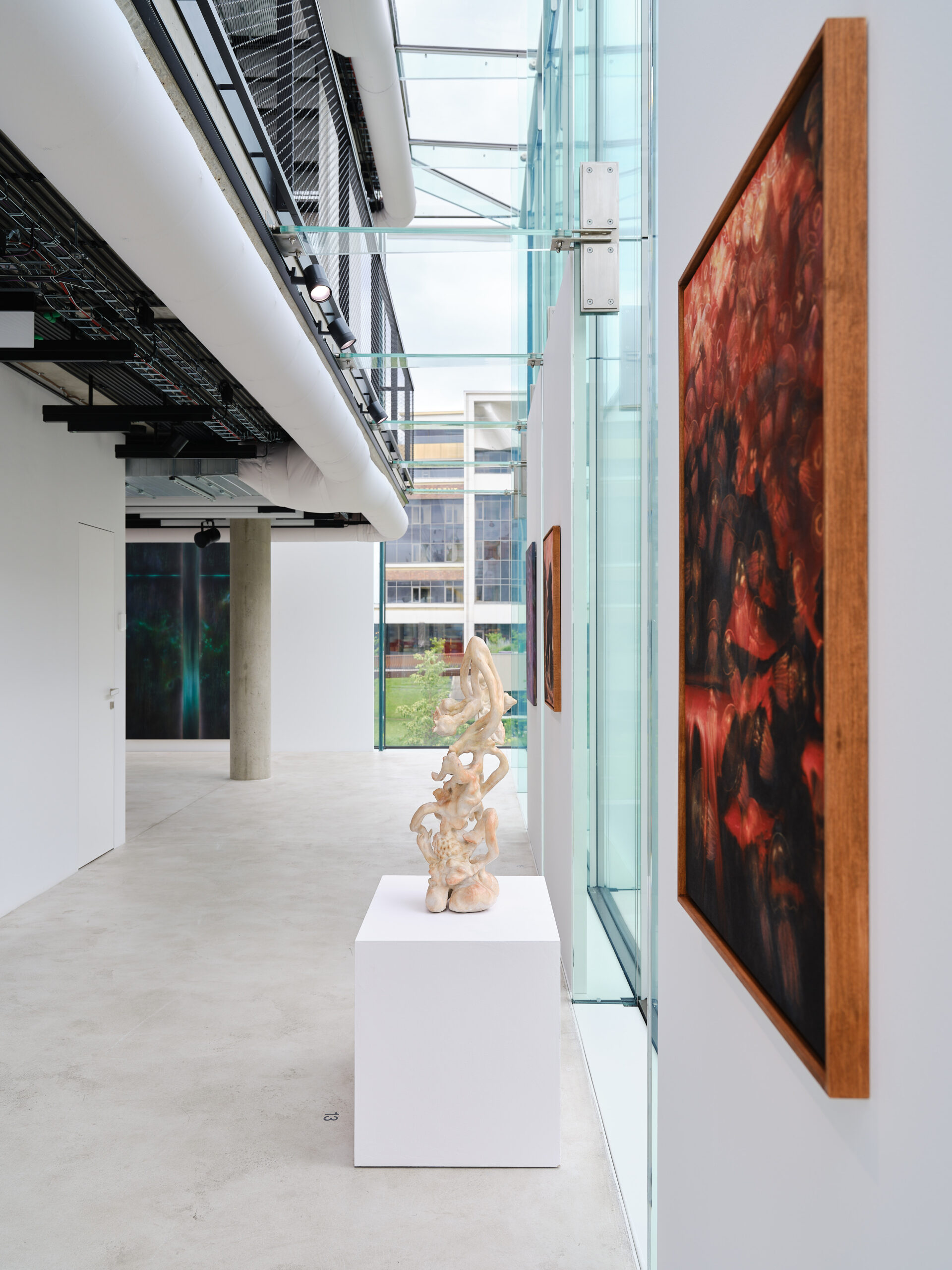
That weakening of visual certainty runs through the exhibition in different ways. In Sarah Bechter’s paintings, the body never quite holds still as a body. Talkative (Spit It Out With Elegance) borrows from a familiar repertoire of painting: the decorative fountain, the staged pose, the central figure, but it refuses to let those conventions settle into a clear hierarchy. What is speaking here, exactly, and through what form? A body, a gesture, a reference, a visual anecdote? Griselda Pollock’s argument in Vision and Difference (1988) was that vision is never innocent, but organised in advance by codes of gender and power. Bechter seems to rehearse those codes to better loosen them, allowing the figure to slip away from the terms in which it would usually be recognised.
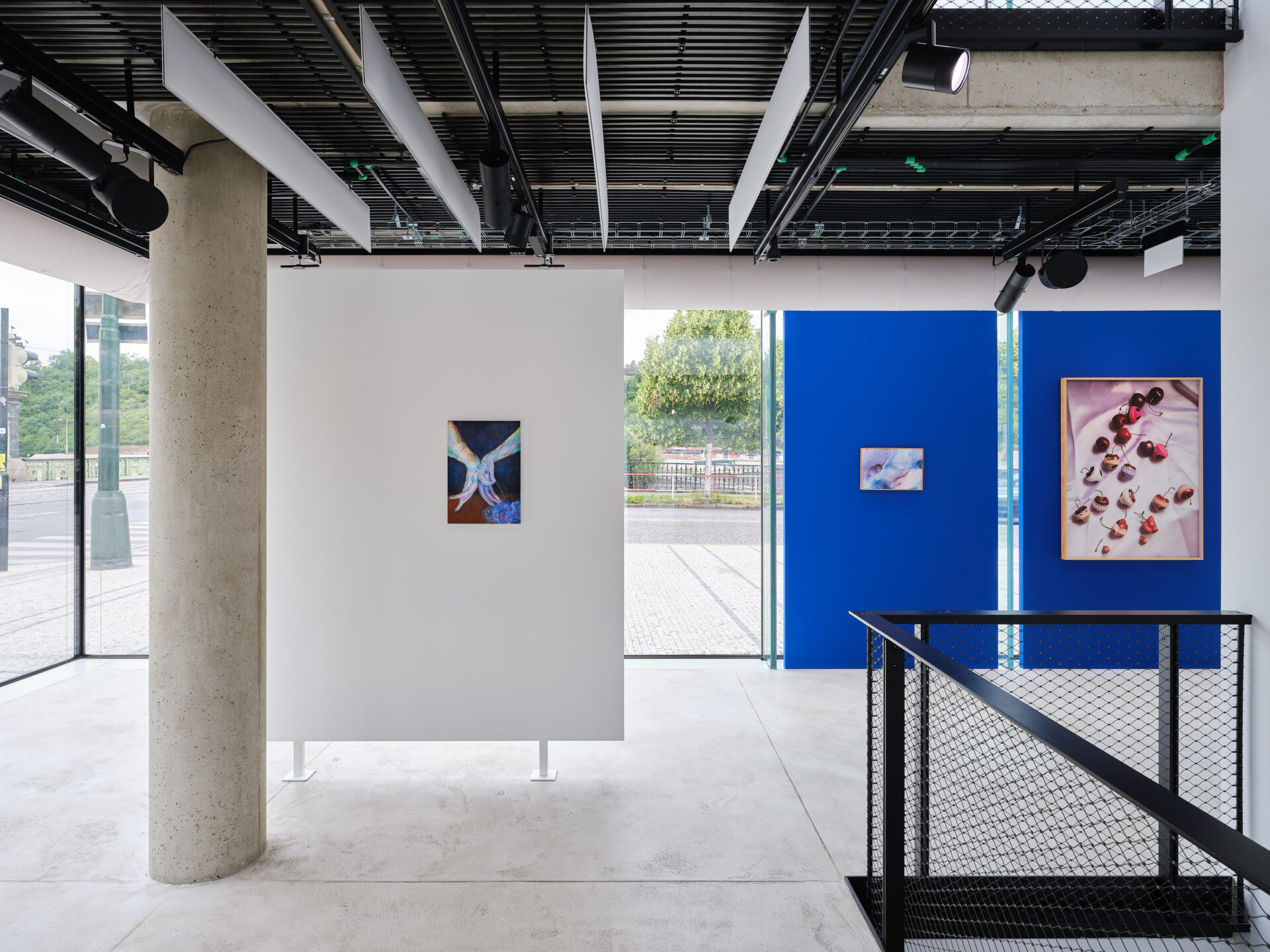
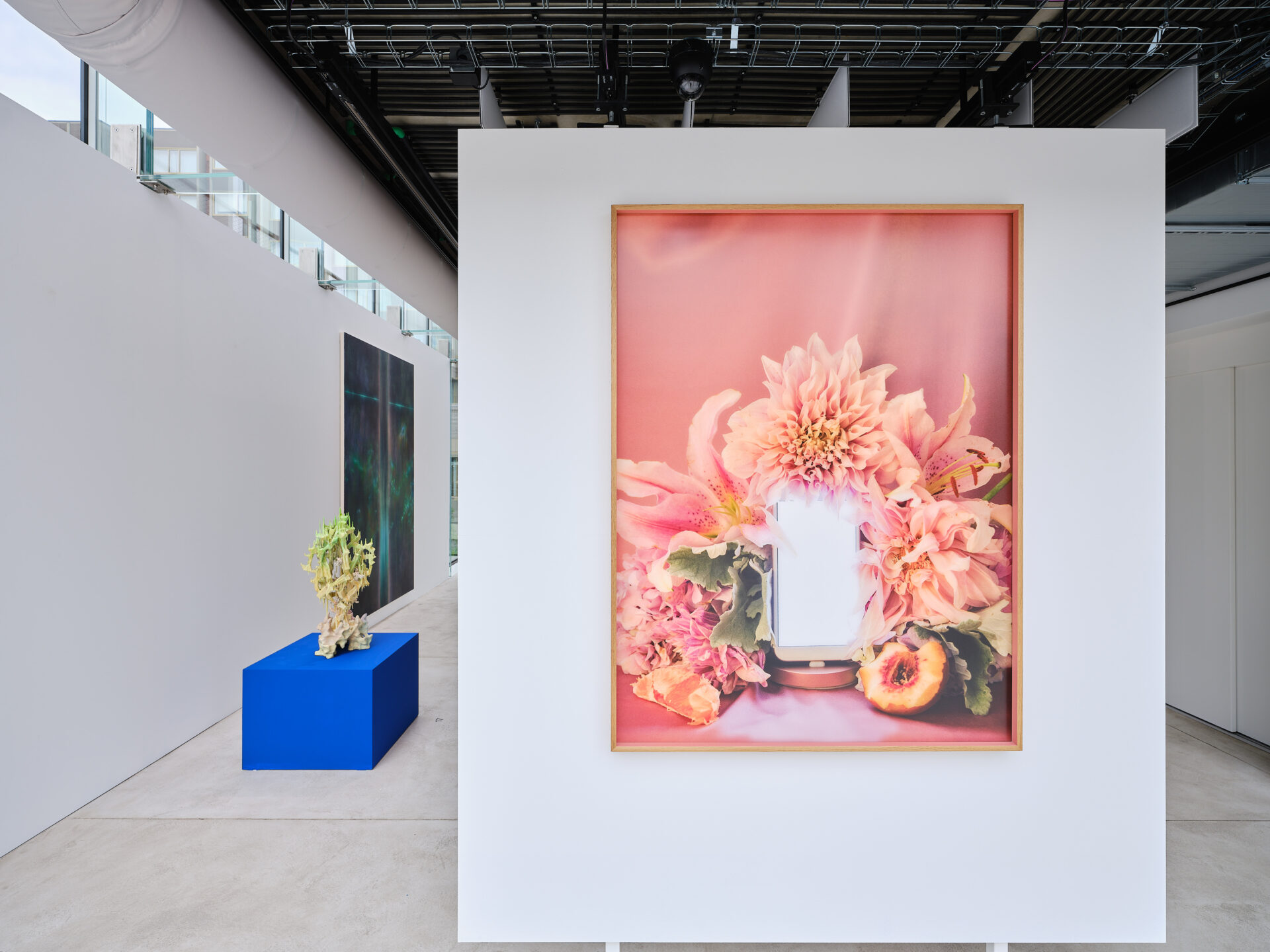
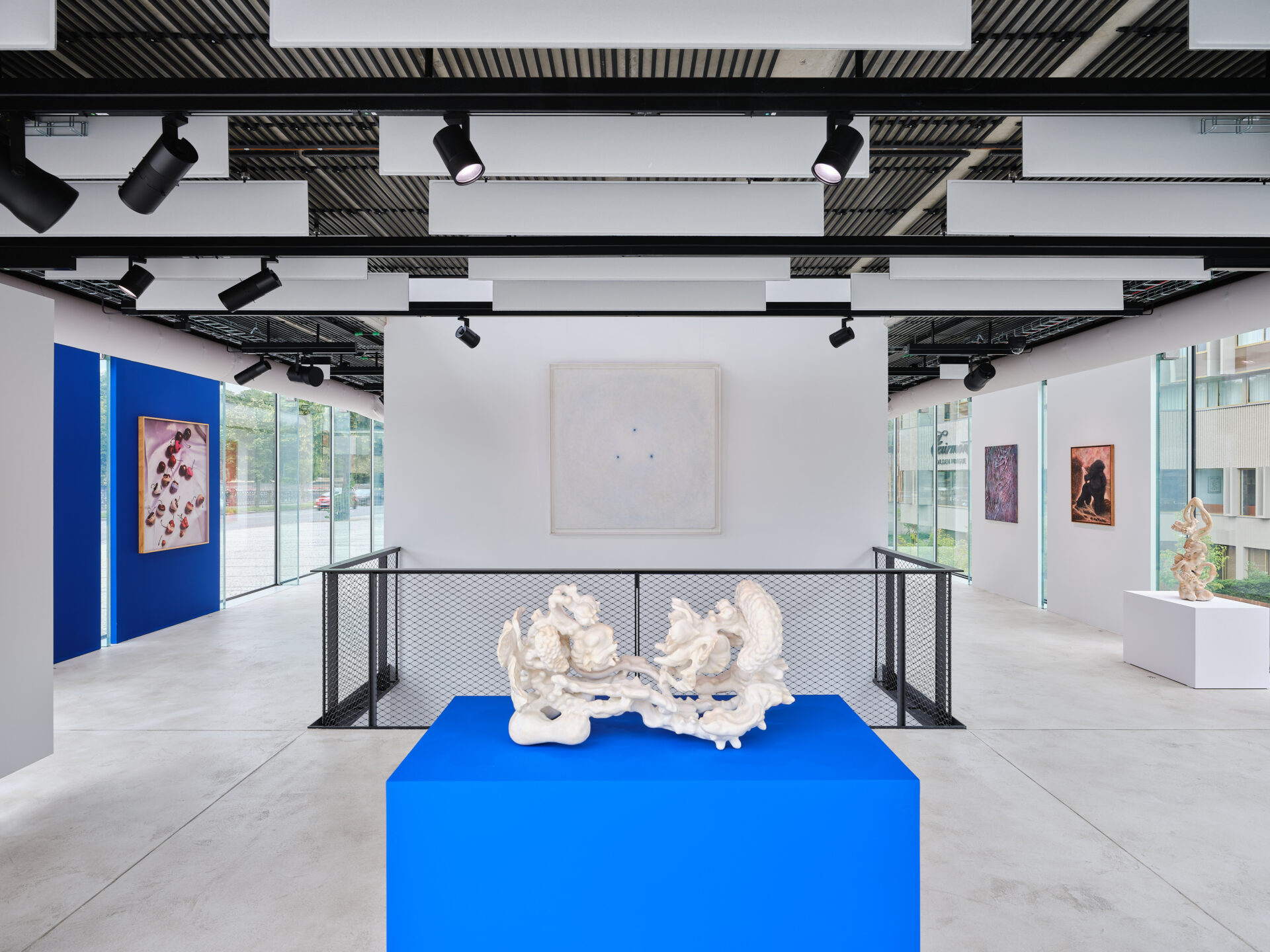
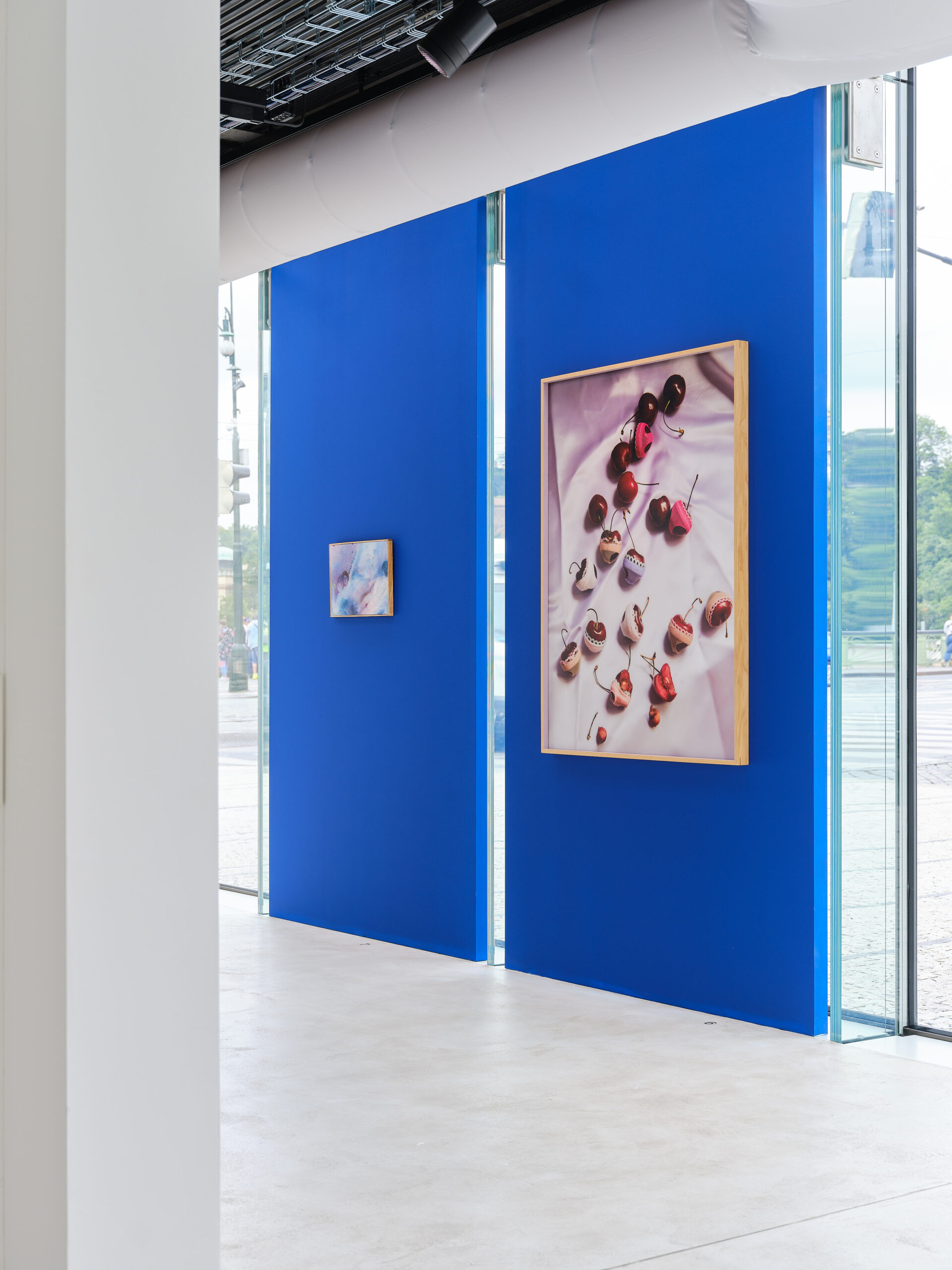
Arvida Byström’s Sleepover works through another visual regime entirely, that of stylised intimacy and the soft coercion of self-display. The image is simple: cherries arranged on draped fabric, some wearing miniature underwear, photographed with the polish of advertising and the atmosphere of a bedroom scene. But that polish is the point. Nothing here is spontaneous. Desire arrives pre-formatted. In Glitch Feminism: A Manifesto (2020), Legacy Russel writes against the demand for smooth and compliant forms of visibility. Byström’s photograph does not glitch in any literal sense, but it reveals how thin the veneer of seamlessness has become. The image remains seductive, even sweet, but also faintly overdetermined, as though femininity had already been edited for circulation before it reached the viewer. What’s more, the female body has not simply been objectified here, it has been evacuated. In such a violent redistribution across a set of signs, what remains visible are the codes by which the (female) body is made consumable.
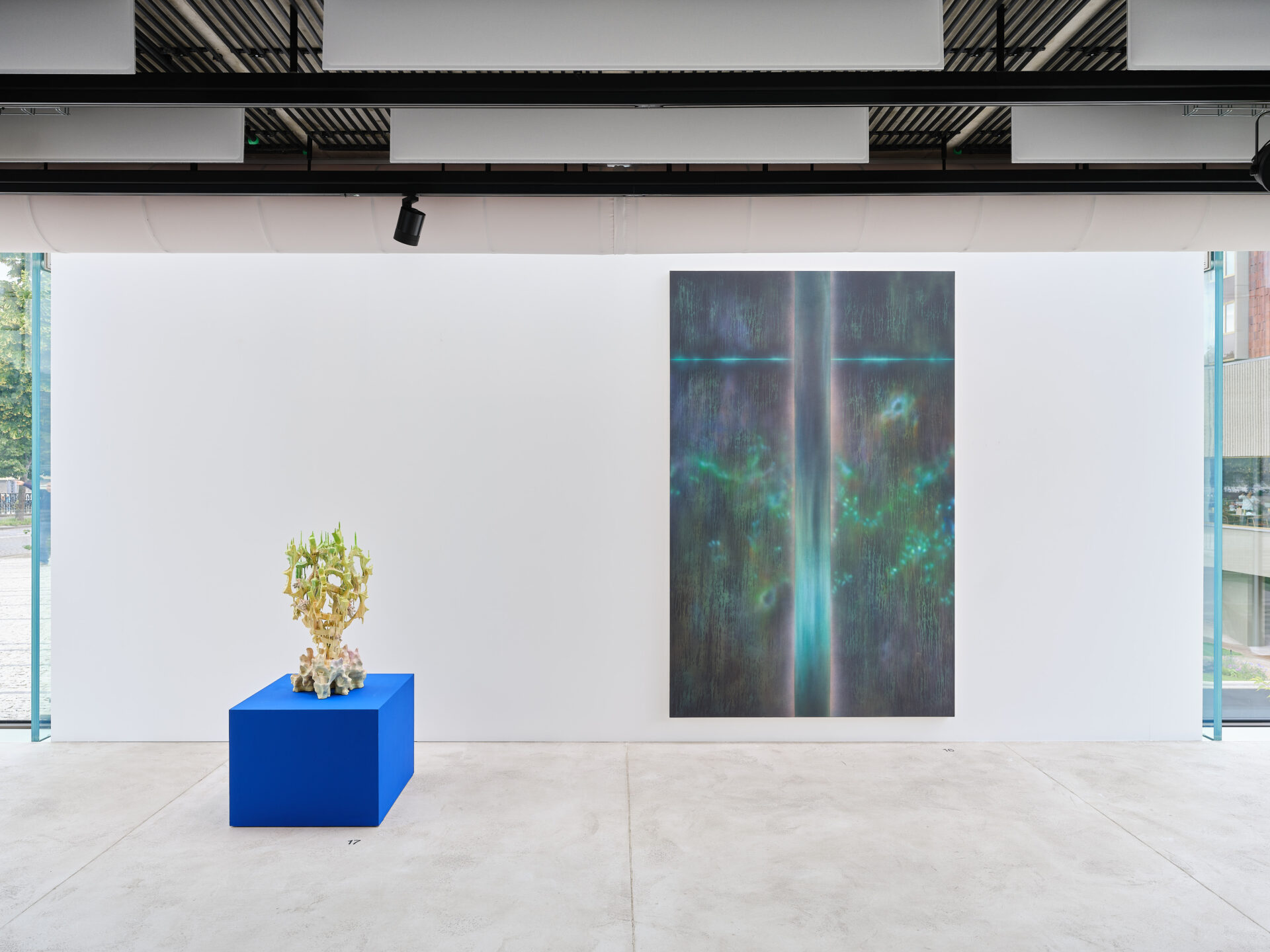
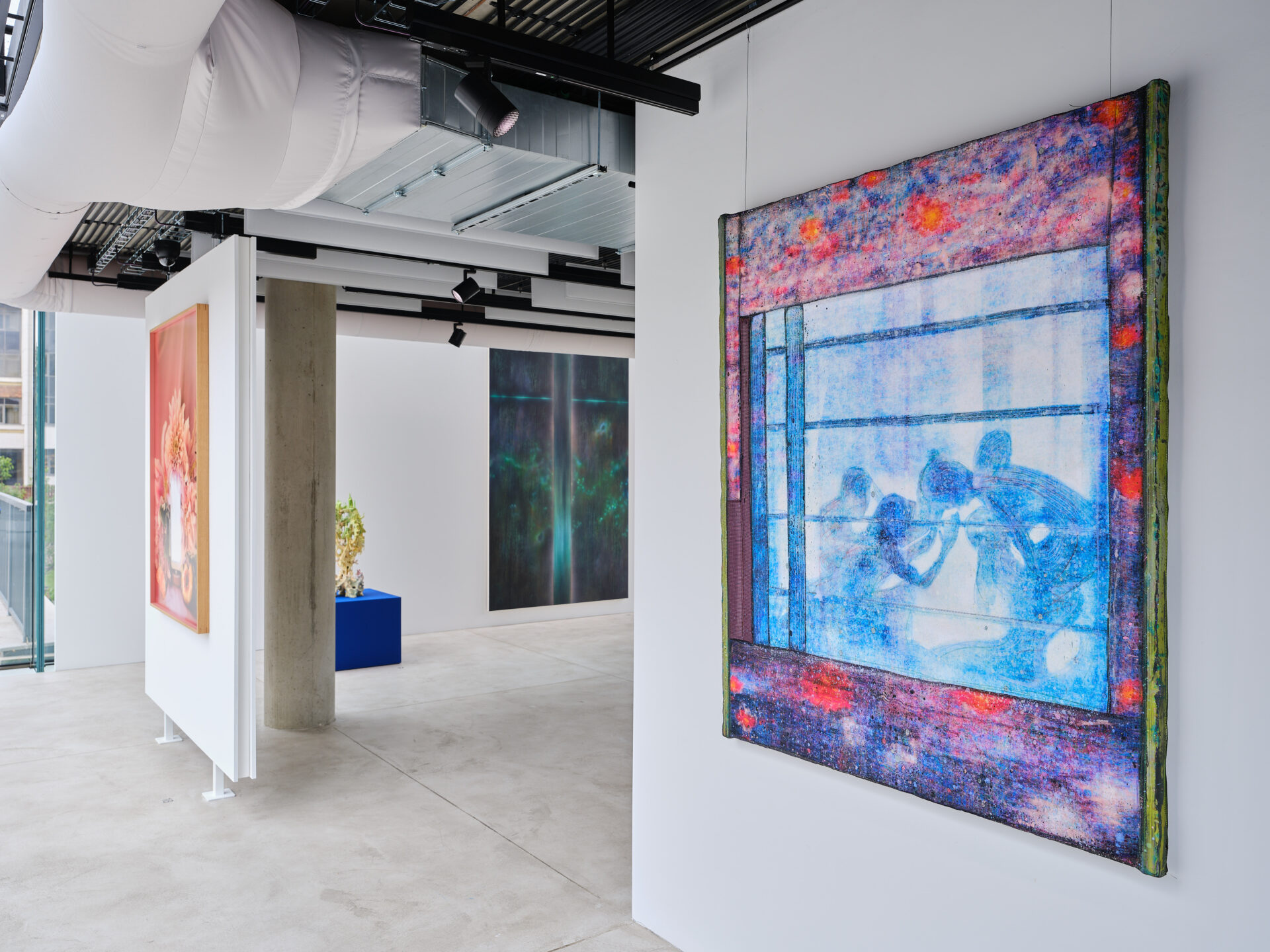
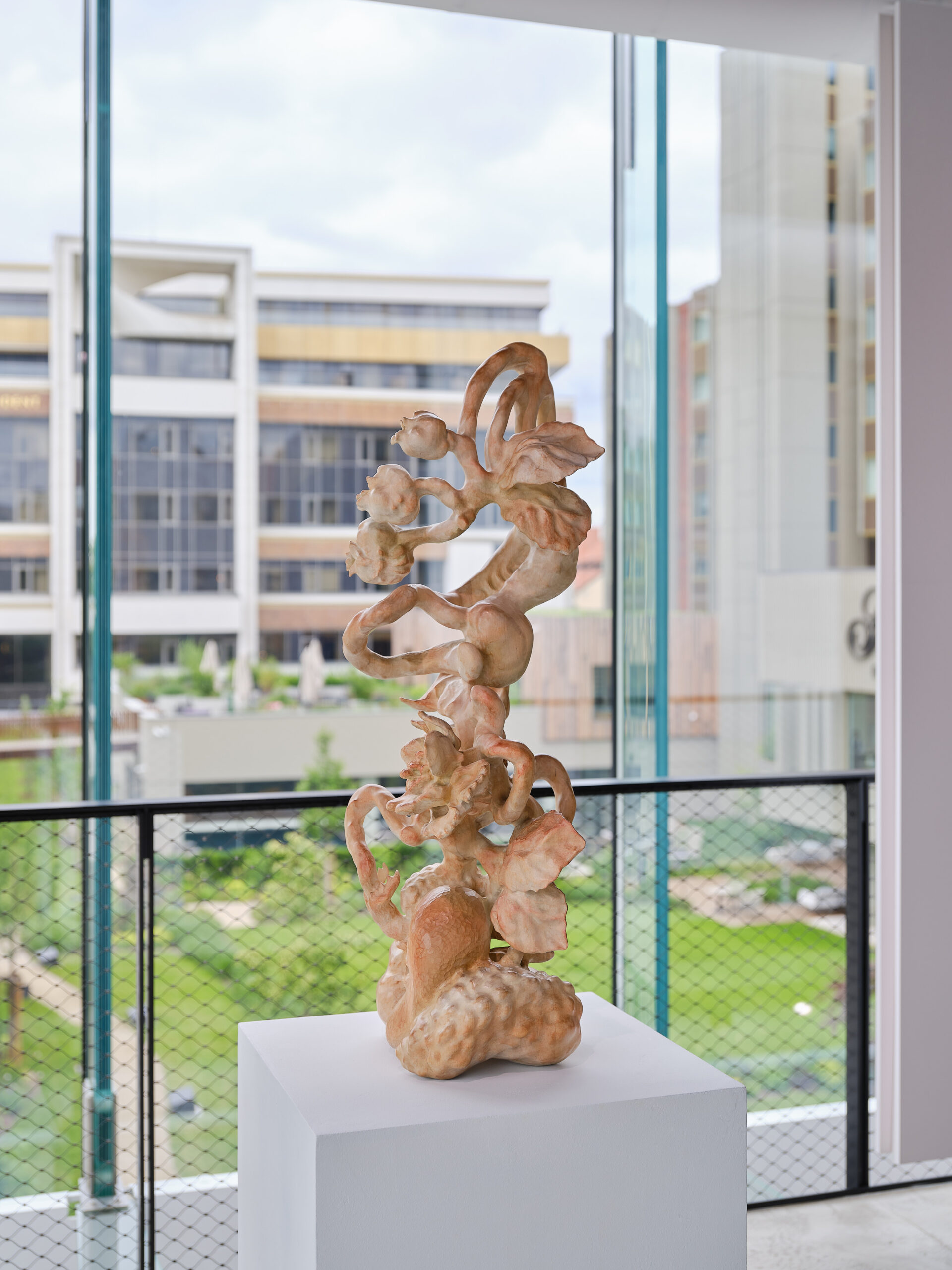
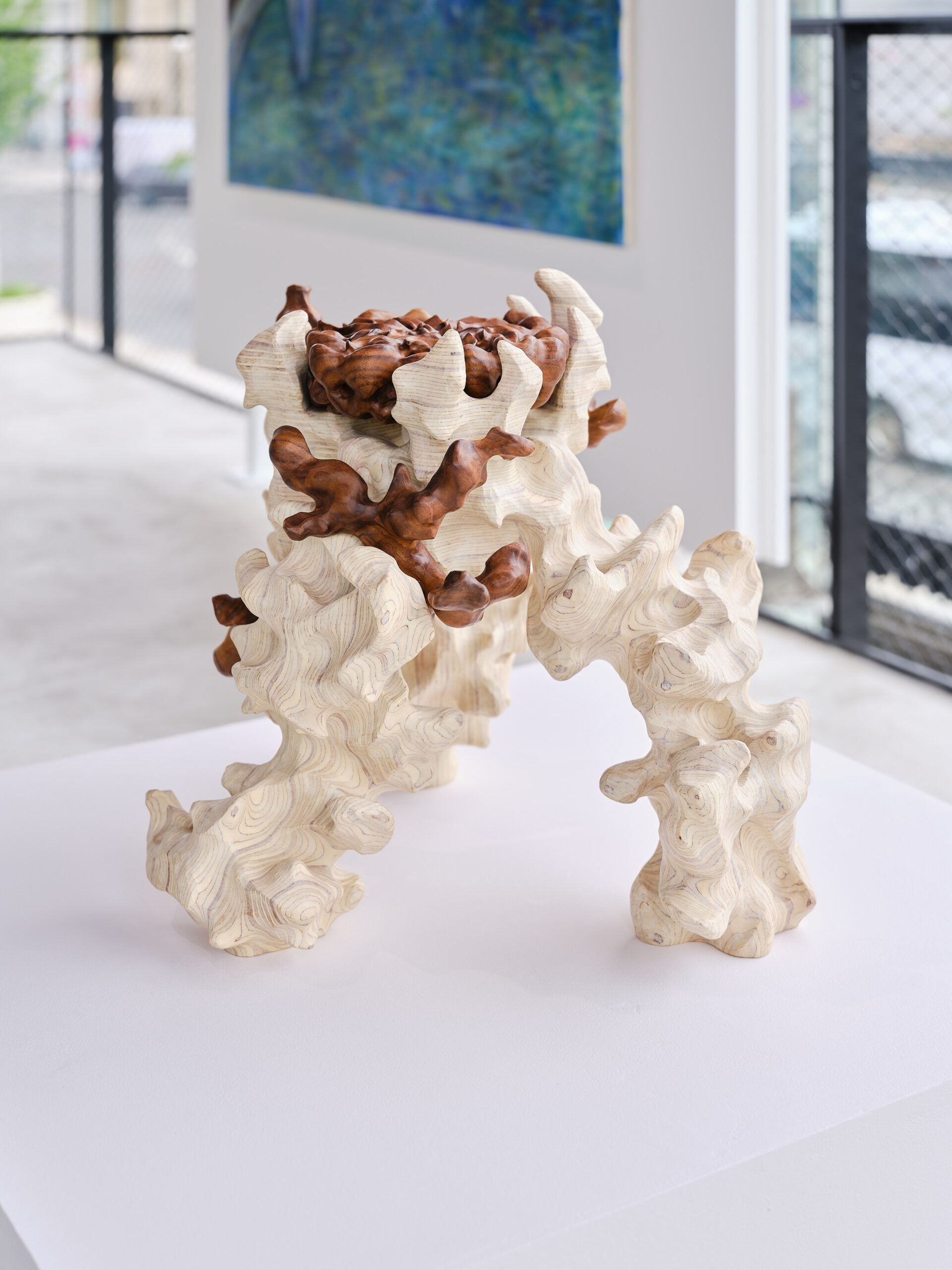
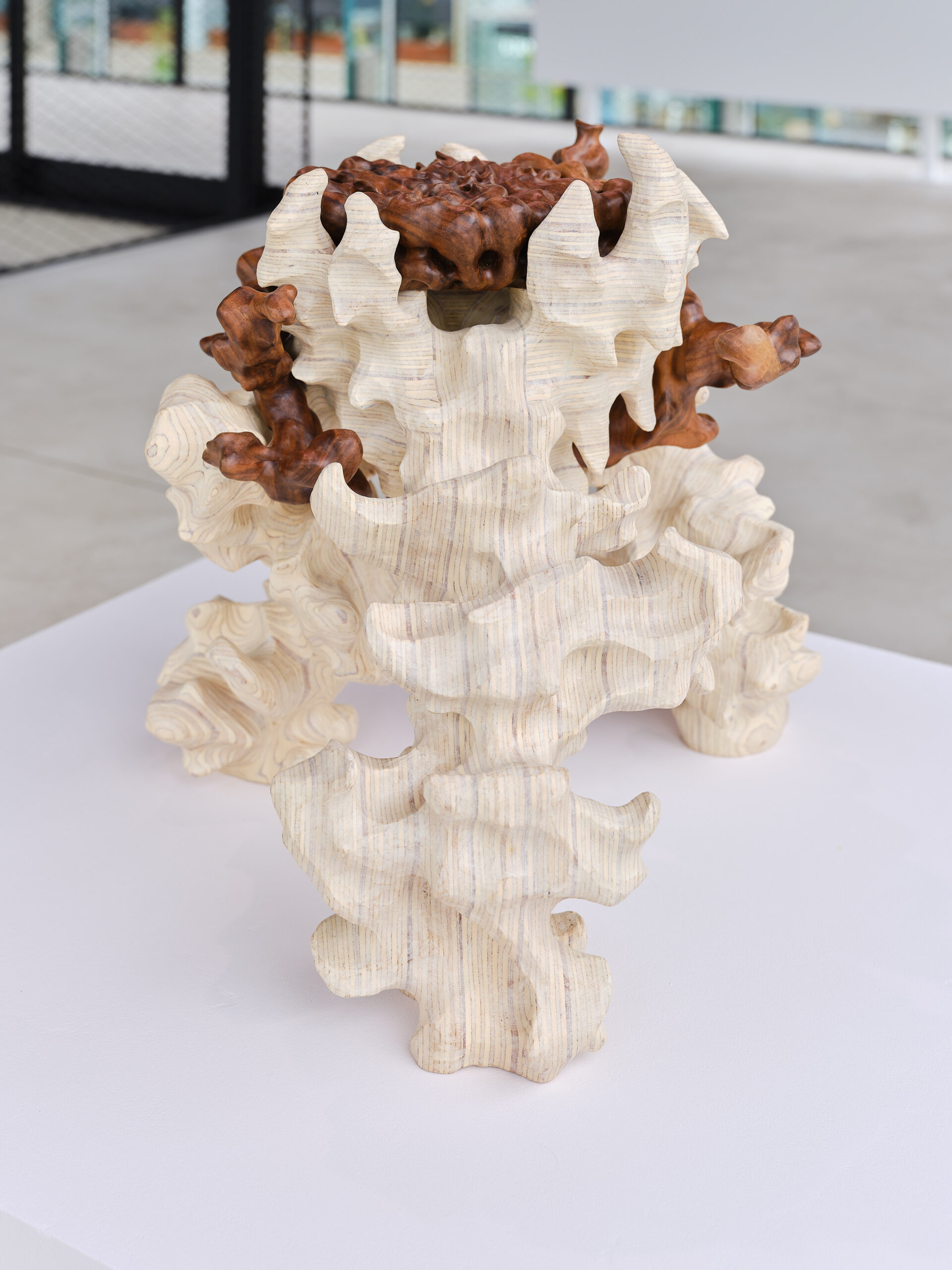
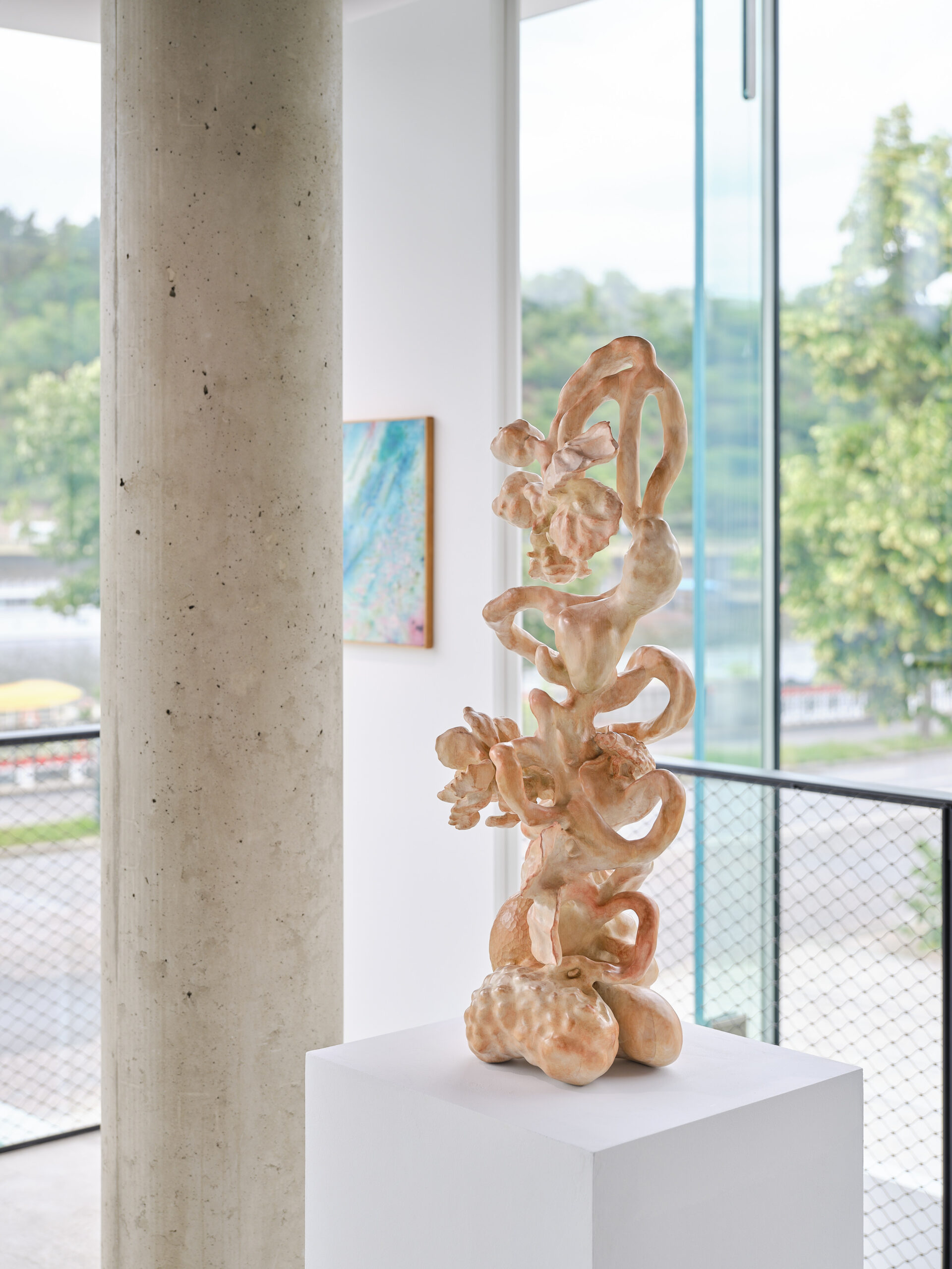
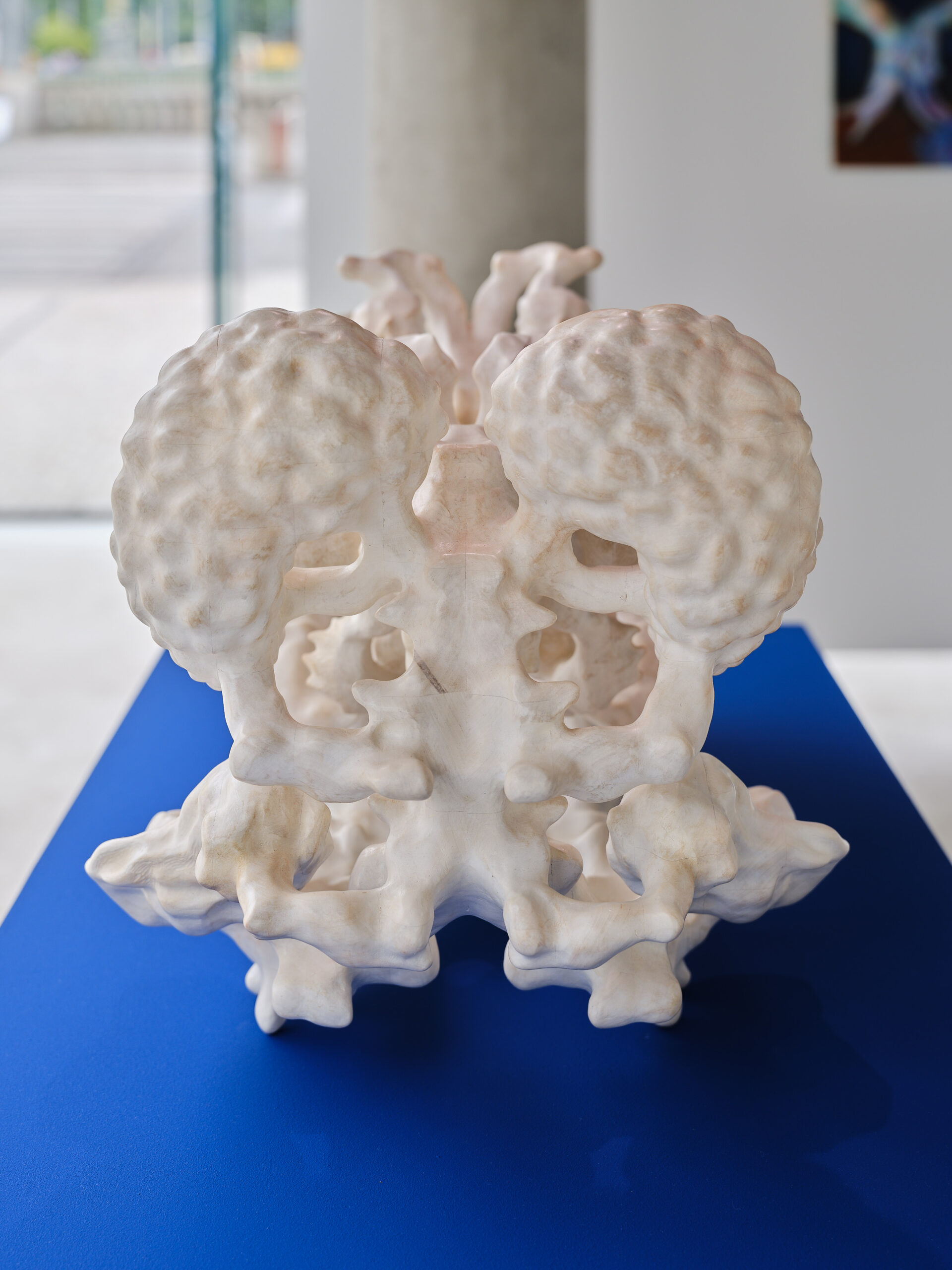
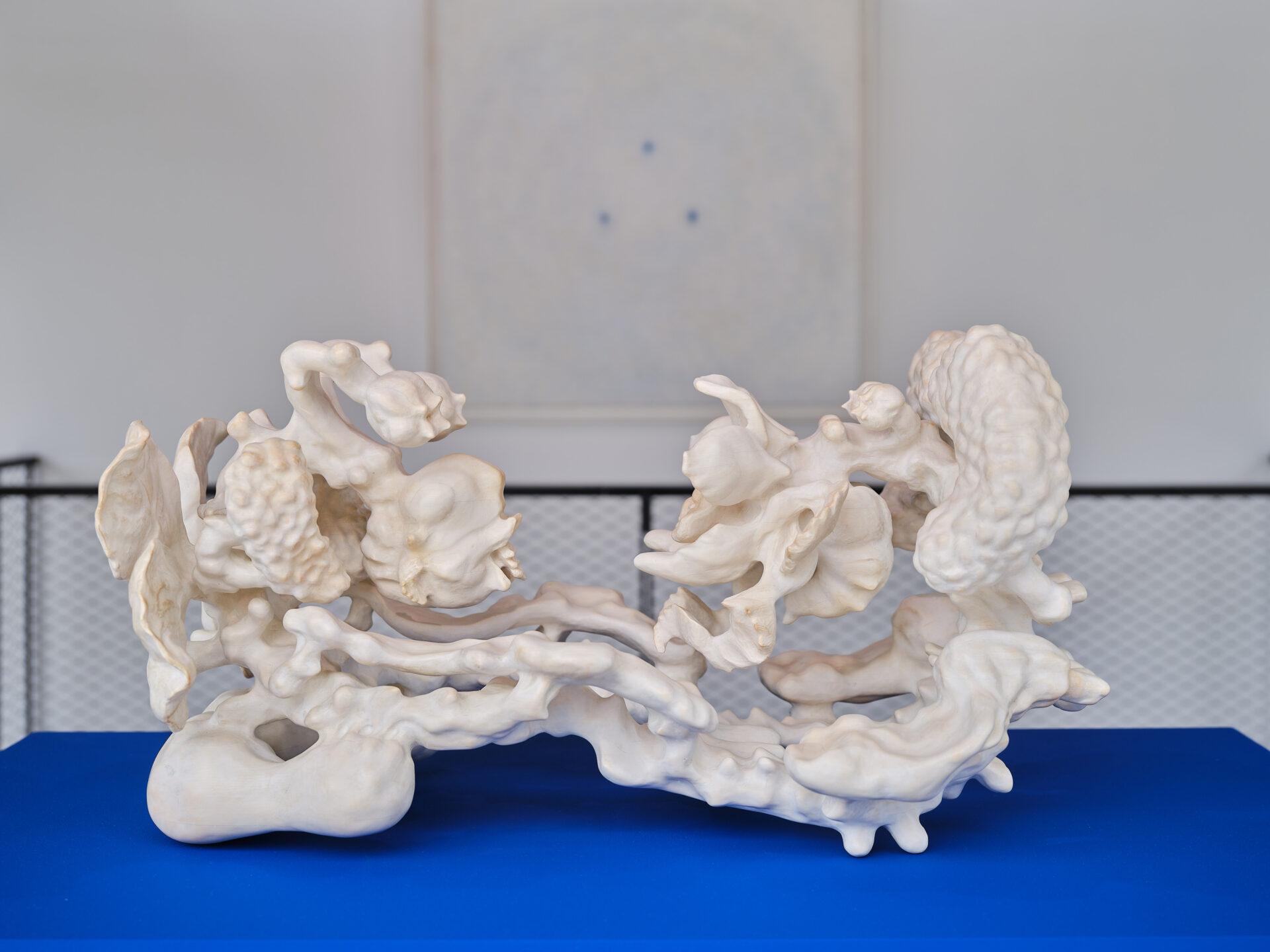
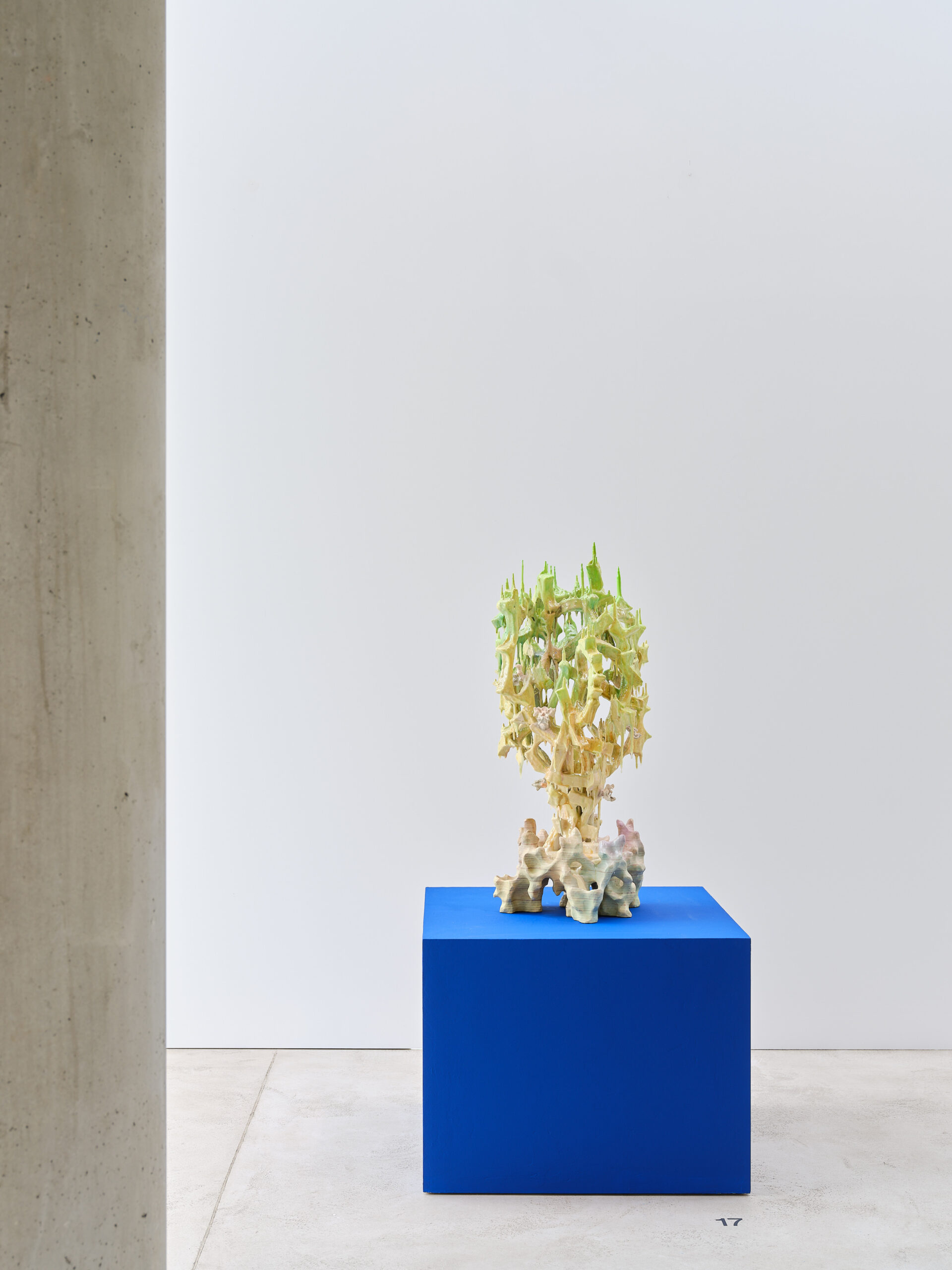
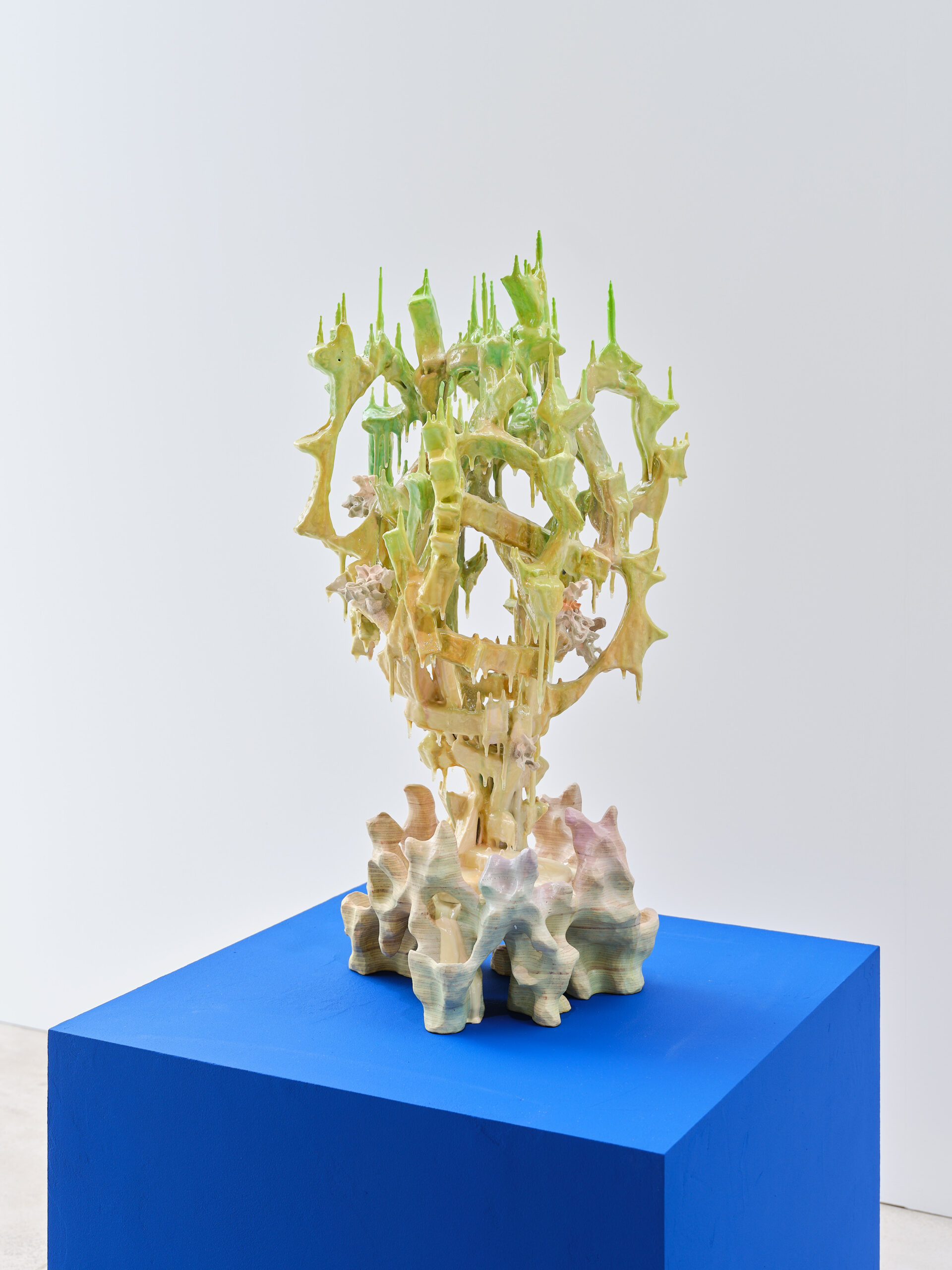
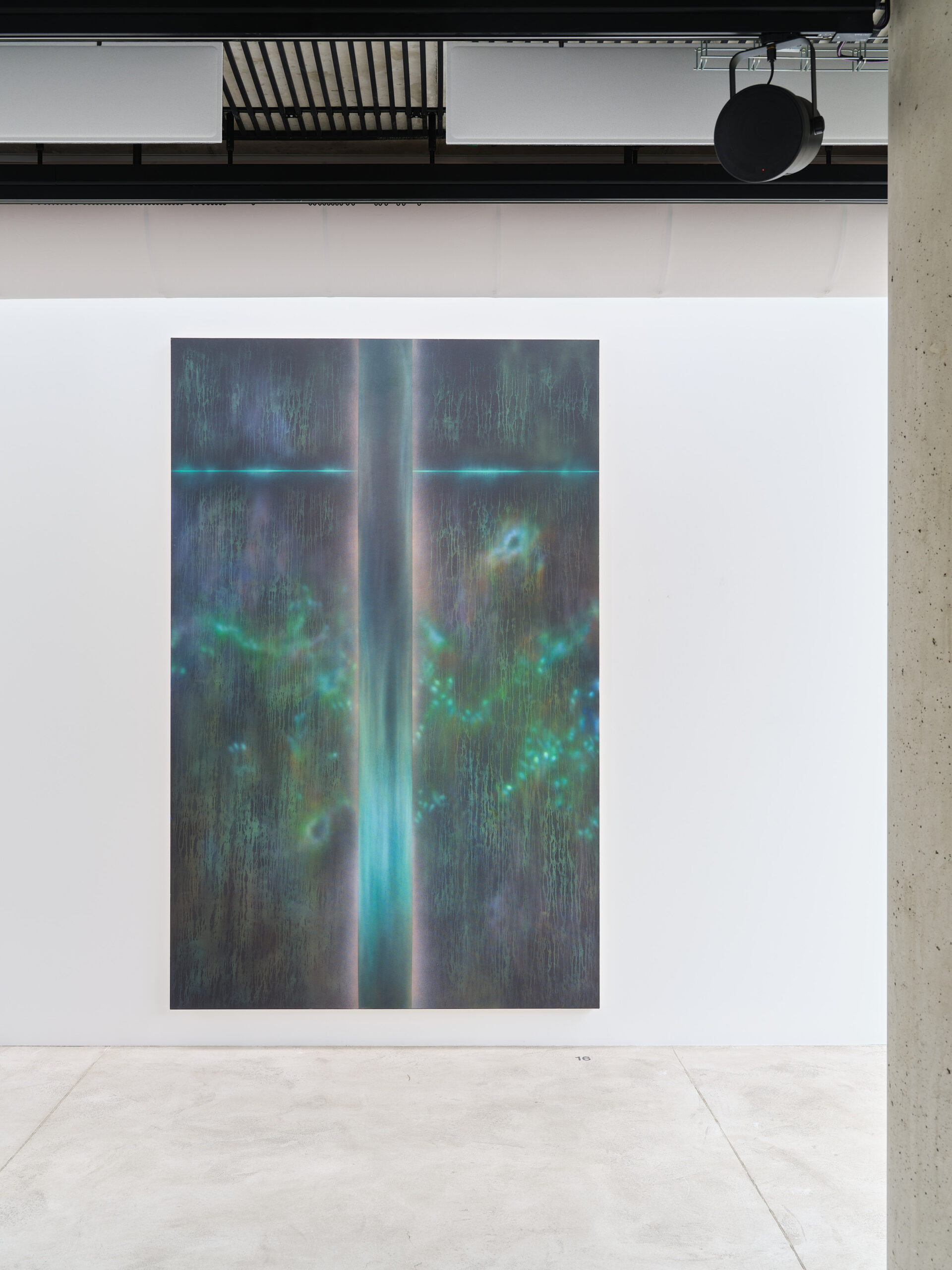
Natacha Donzé and Kristian Touborg take the question elsewhere. Donzé’s paintings resemble portals or screens, but without promising access. Their luminous surfaces suggest depth only to hold it back. One does not enter them so much as confront the fact that vision is always filtered, monumental. Touborg, by contrast, keeps the figure in play, but not as a stable identity. His paintings are bodily, yet anonymous at once. The bodies appear less as portraits than as visual events assembled from display and desire. Jan Kostohryz approaches instability from a different historical angle. His reliefs recall the idealising language of communist public sculpture, with its simplified bodies and declarative forms, but what they depict is not heroism. It is idleness stuck in domestic suspension. The grandeur of the form remains, while the subject has shrunk to the scale of the minor and the intimate. Gabriela Těthalová’s paintings move in another direction, drawing on a visual syntax that can at times recall the aesthetics of an earlier political imagination. If that work feels slightly untimely, that untimeliness may itself be part of what it registers: the persistence of older visual orders within the present. Tadeáš Podracký’s sculptures, meanwhile, do not read as relics of lost function so much as propositions from another material future. Their post-gothic,
almost speculative presence unsettles the border between organism and tool (though it could be both simultaneously).
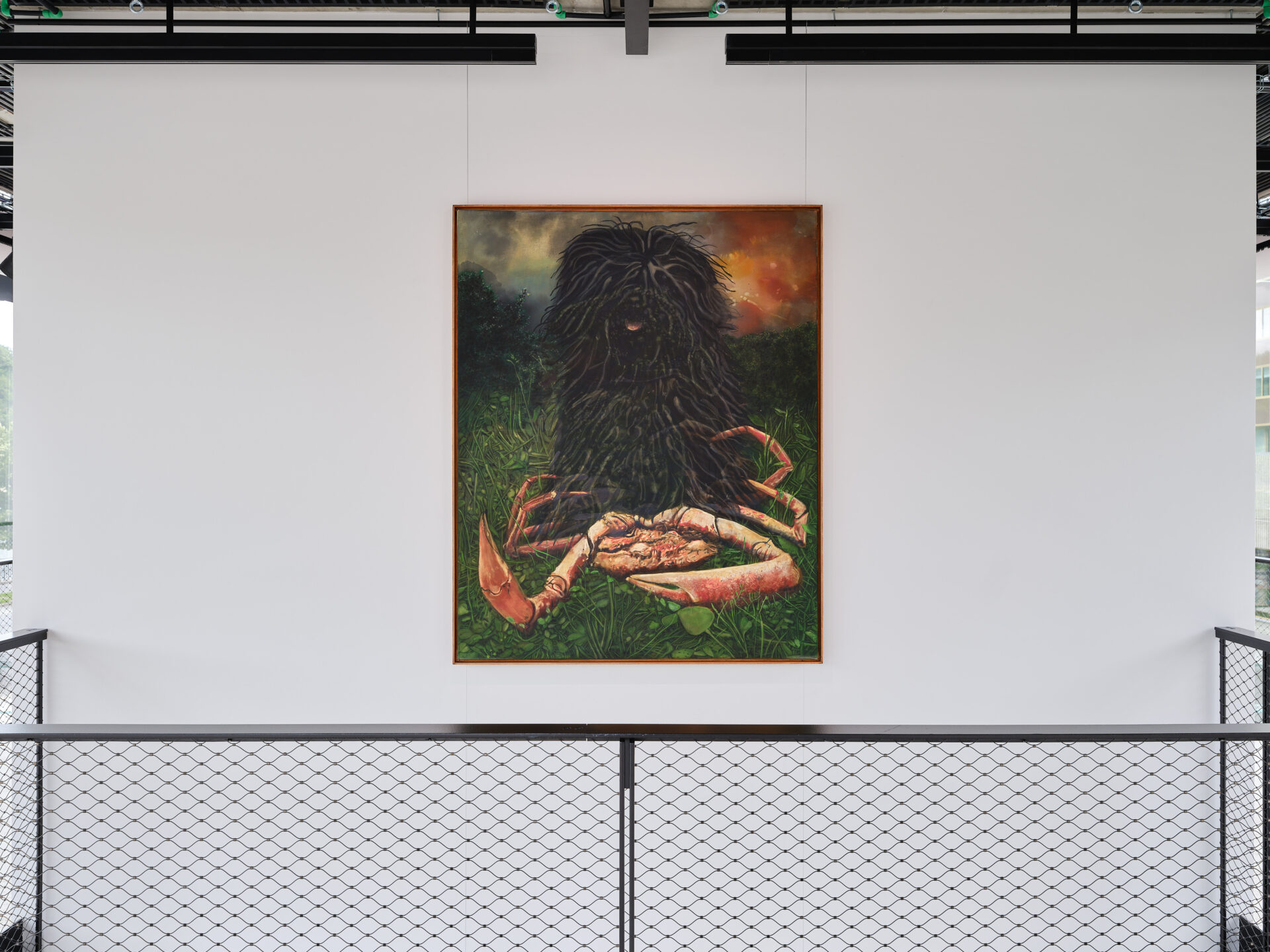
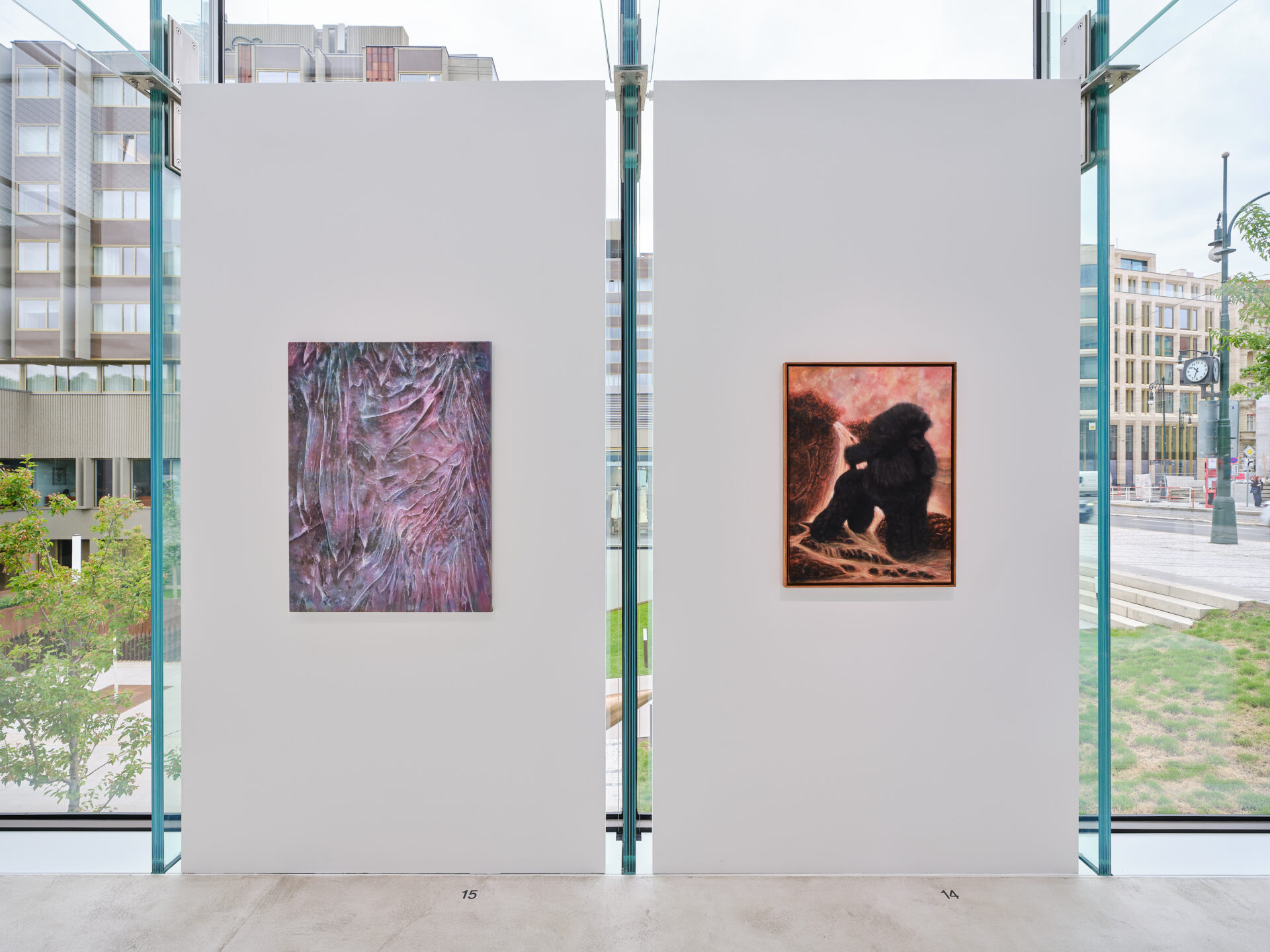
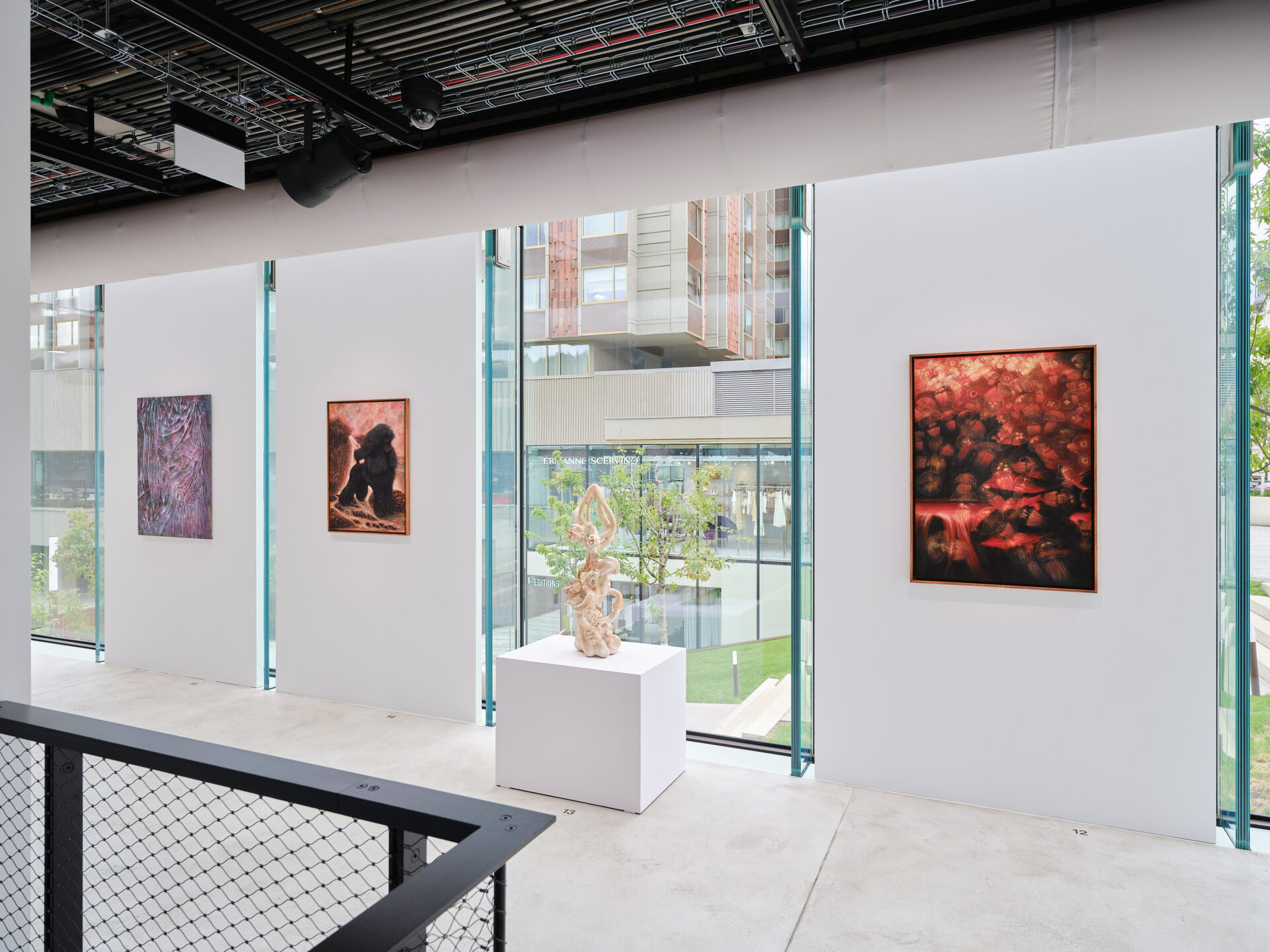
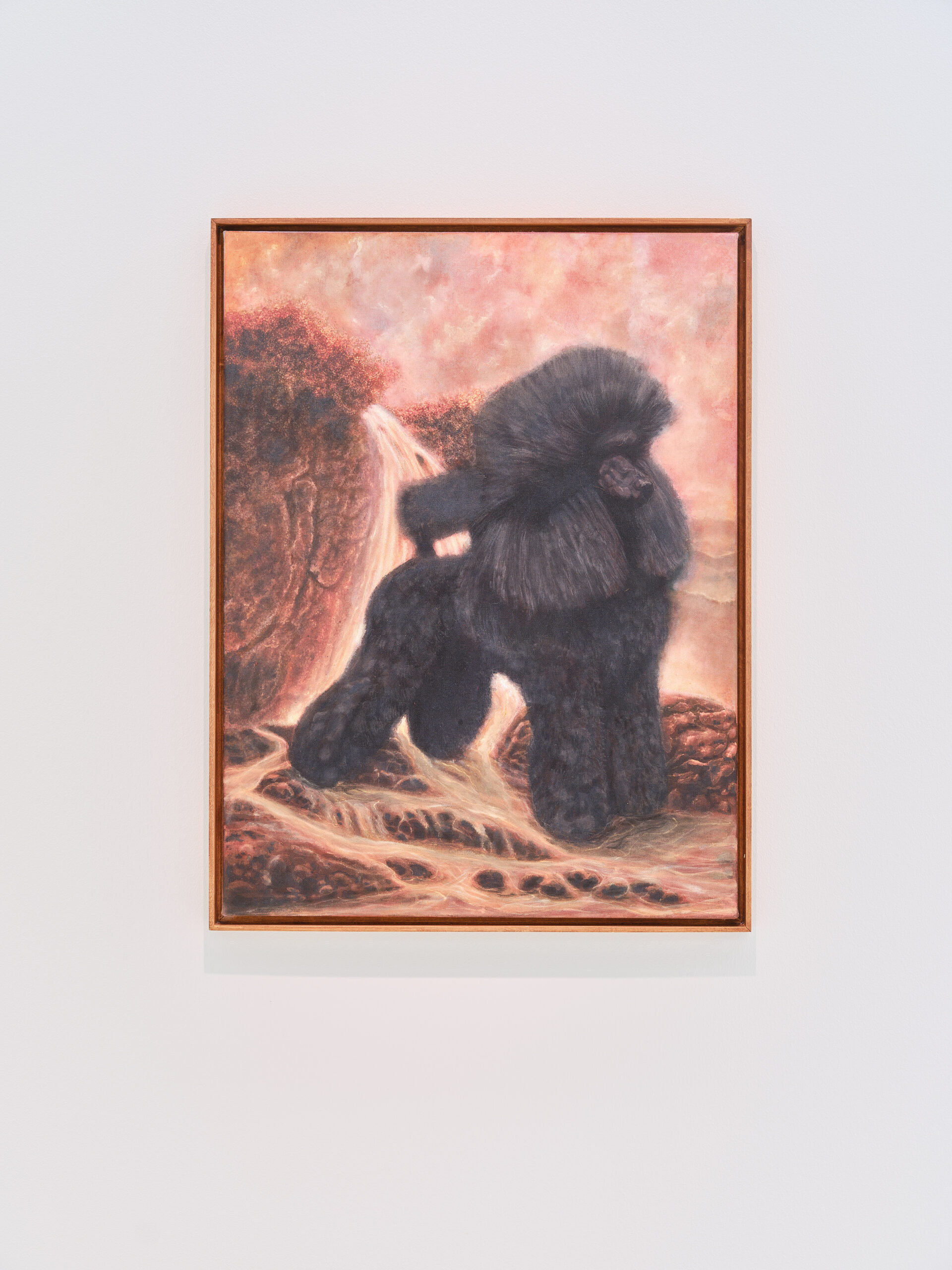
Hugo Canoilas changes the terms again. In The Edge of Sleep, the giant black poodle is too present to function as a symbol and too opaque to settle into portraiture. The animal interrupts the human habits of reading the image. It can be looked at, but not easily converted into meaning. That matters because it touches a deeper instability within the exhibition as a whole. What falters here is not only reference, but the taxonomic confidence with which the visible is divided into human and non-human, subject and environment, self and other. Canoilas’s animal remains stubbornly there, resistant to conversion into metaphor. In that resistance, the painting opens onto a larger question, not only about images, but about the forms of hierarchy built into acts of looking. The non-human does not appear here as a backdrop, symbol, or moral supplement. It appears as a presence that interrupts the terms by which the image is usually mastered.
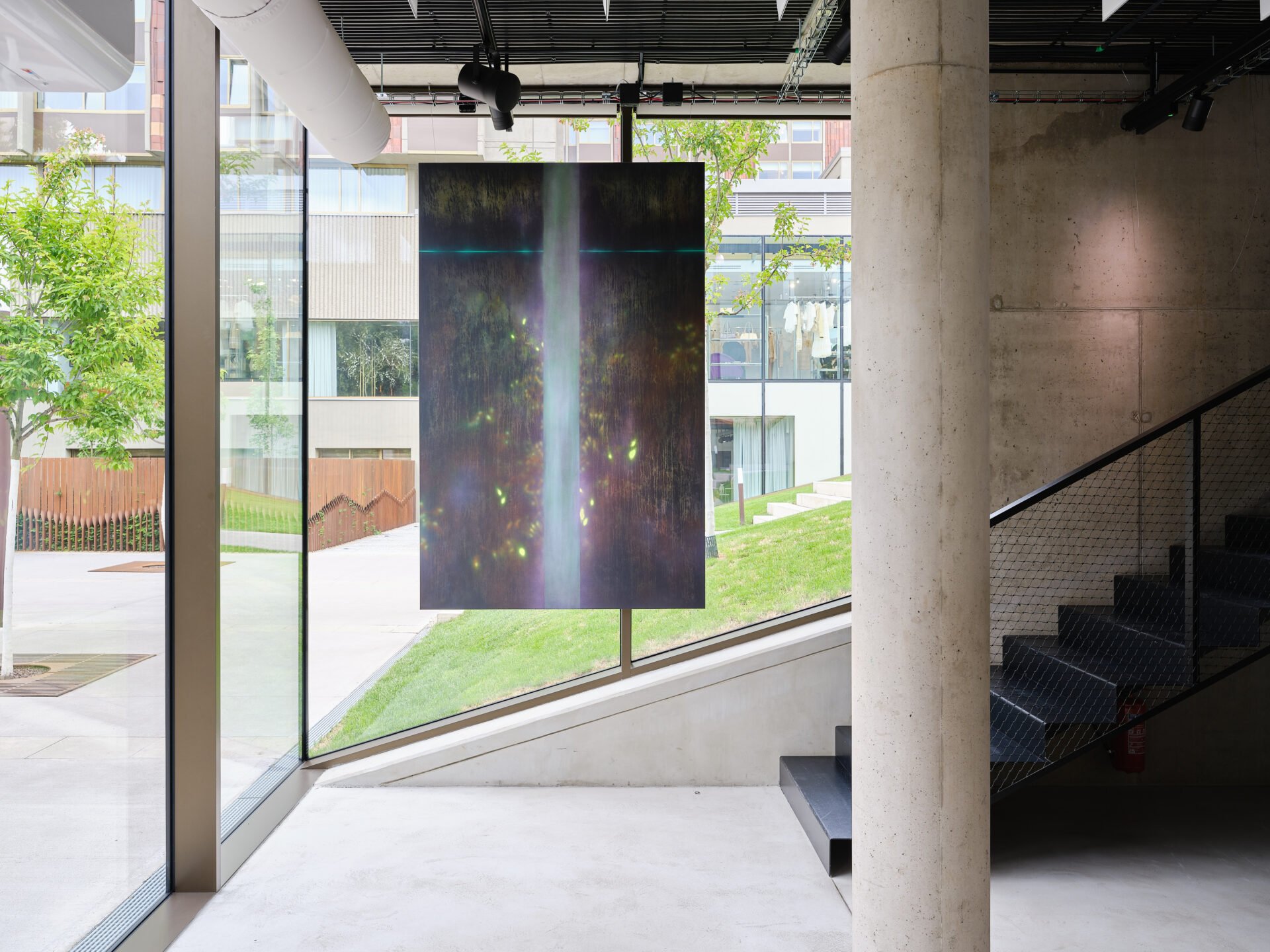
The exhibition is not simply about distrust in images. It is about the instability of the divisions through which reality is made available to sight. Some of the works reduce the image almost to disappearance. What comes into view is not a failure of art to represent the world correctly, but a pressure placed on the categories through which the world is sorted in the first place. The question is not whether images still tell the truth, but what kinds of life and relation remain outside the terms by which images demand to be read.
Elise Lammer