Between Worlds
Back to exhibitions
4 September – 1 November 2026
Prague, KodlContemporary
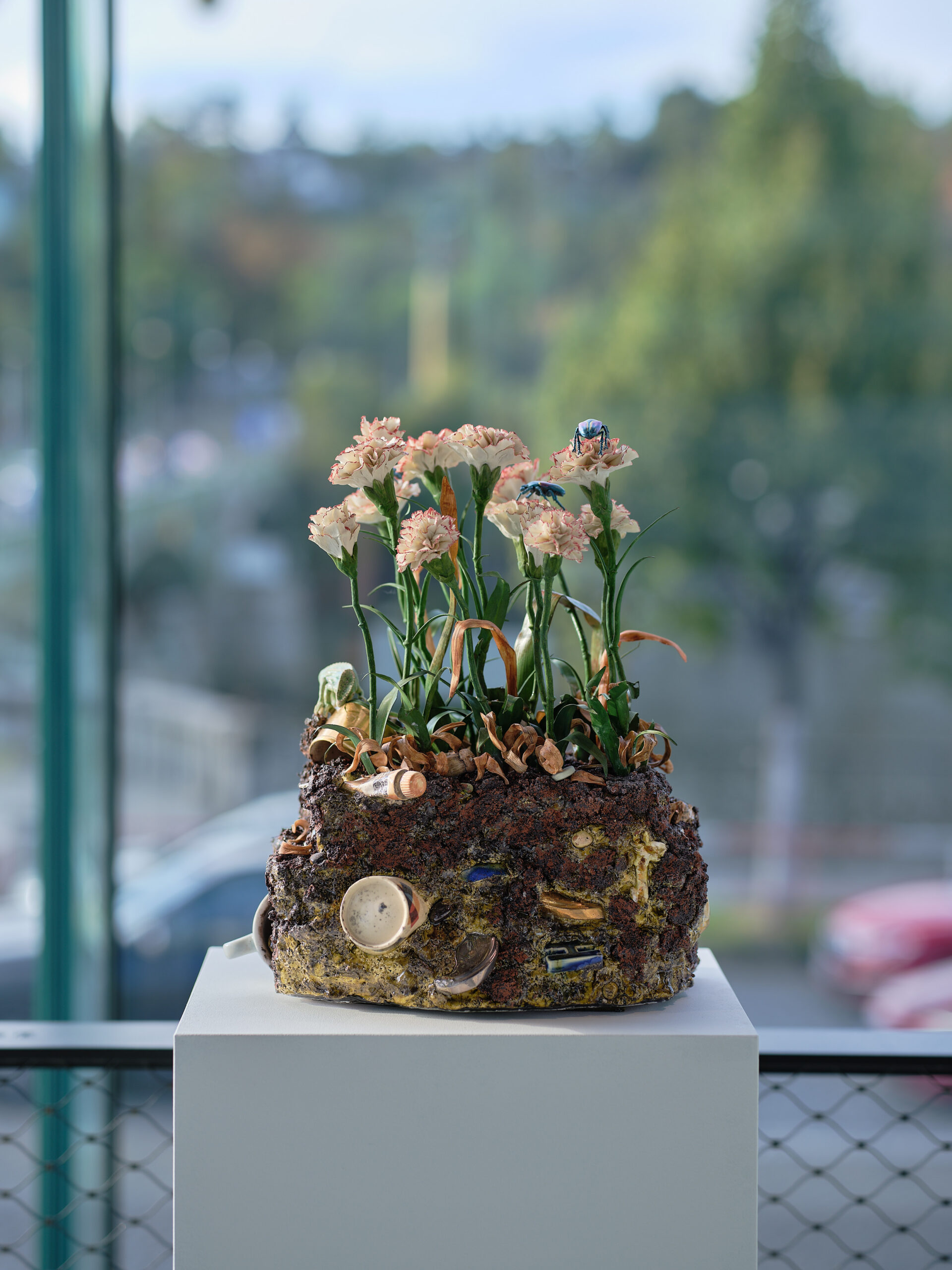
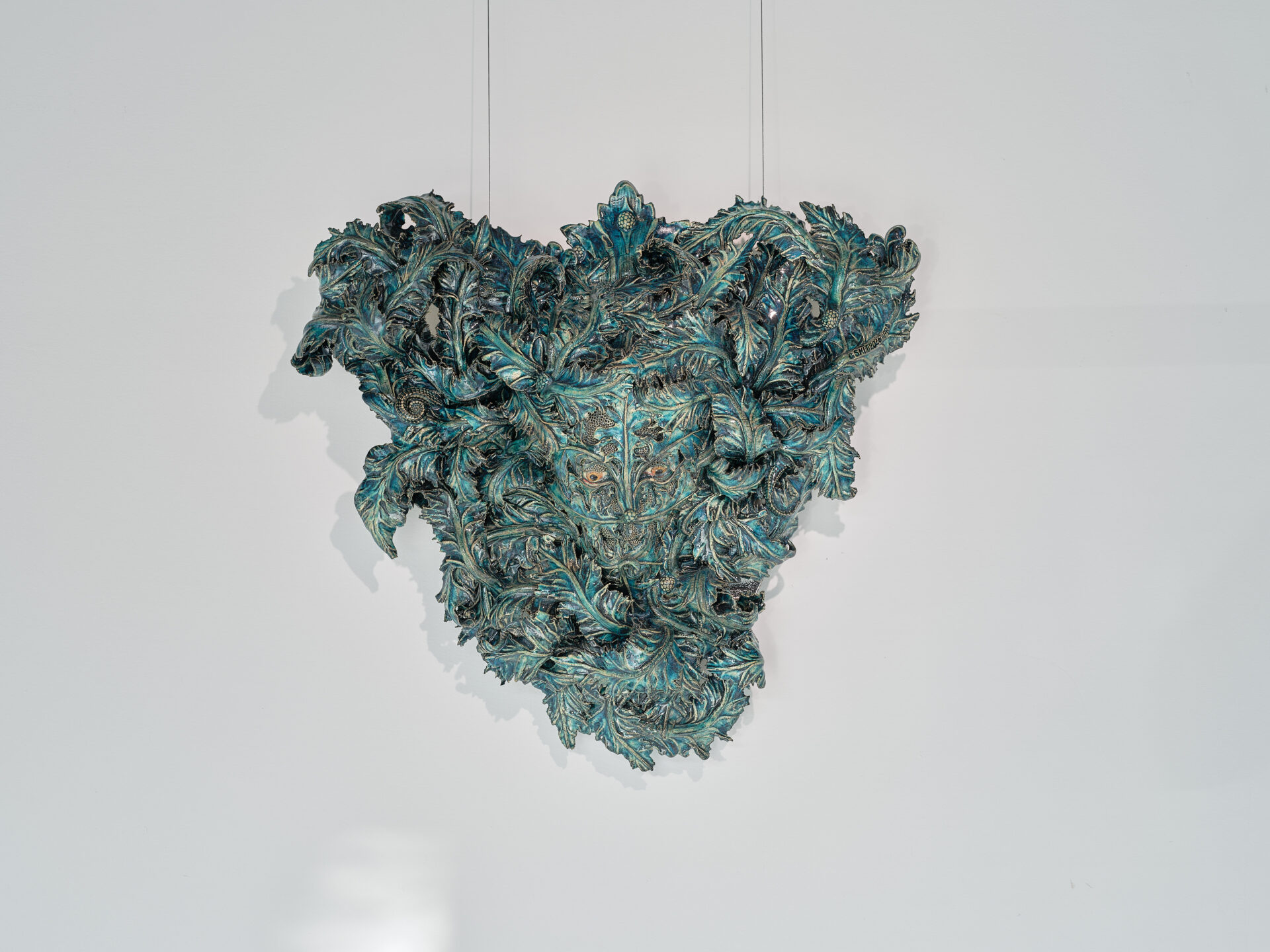
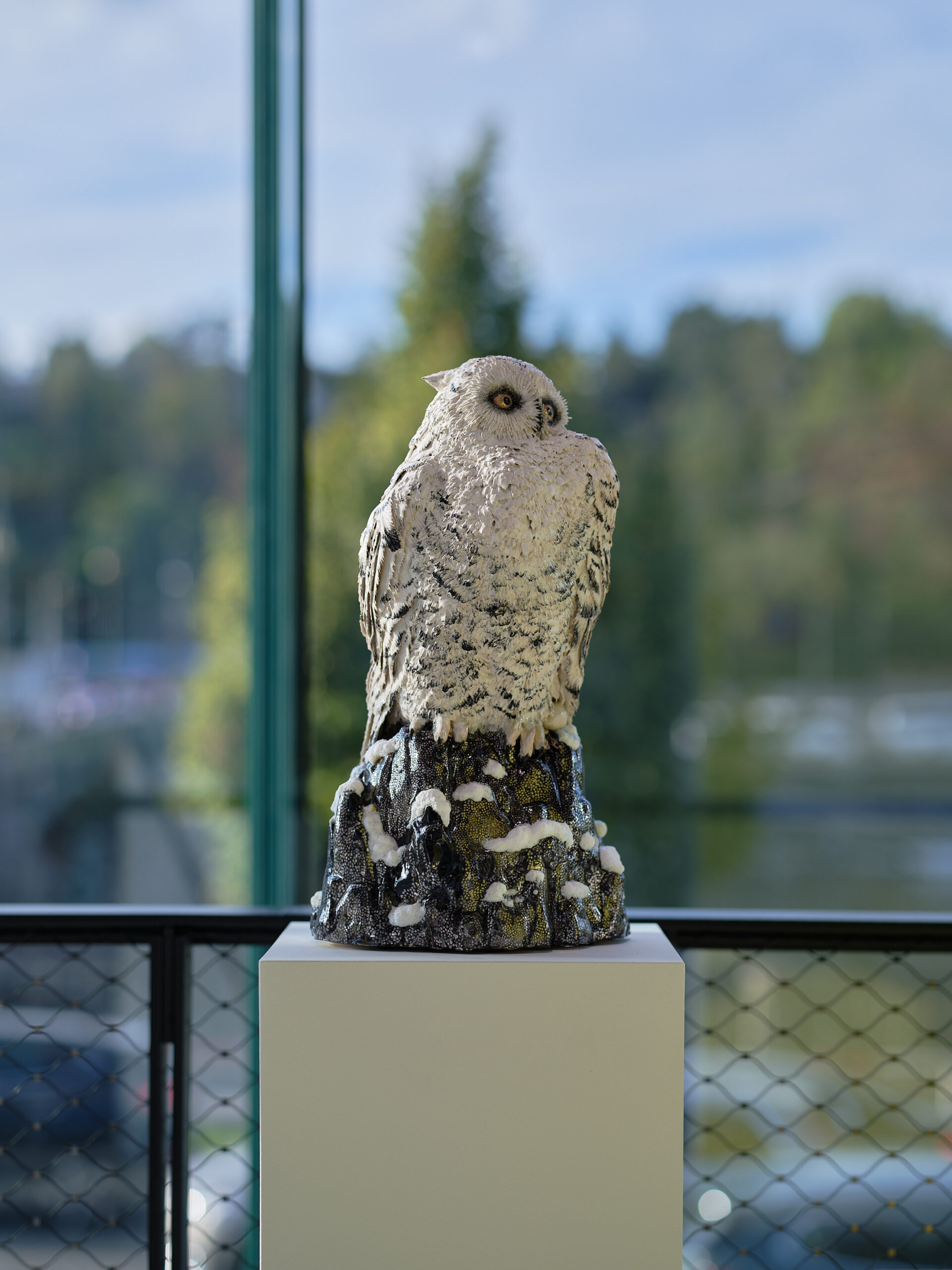
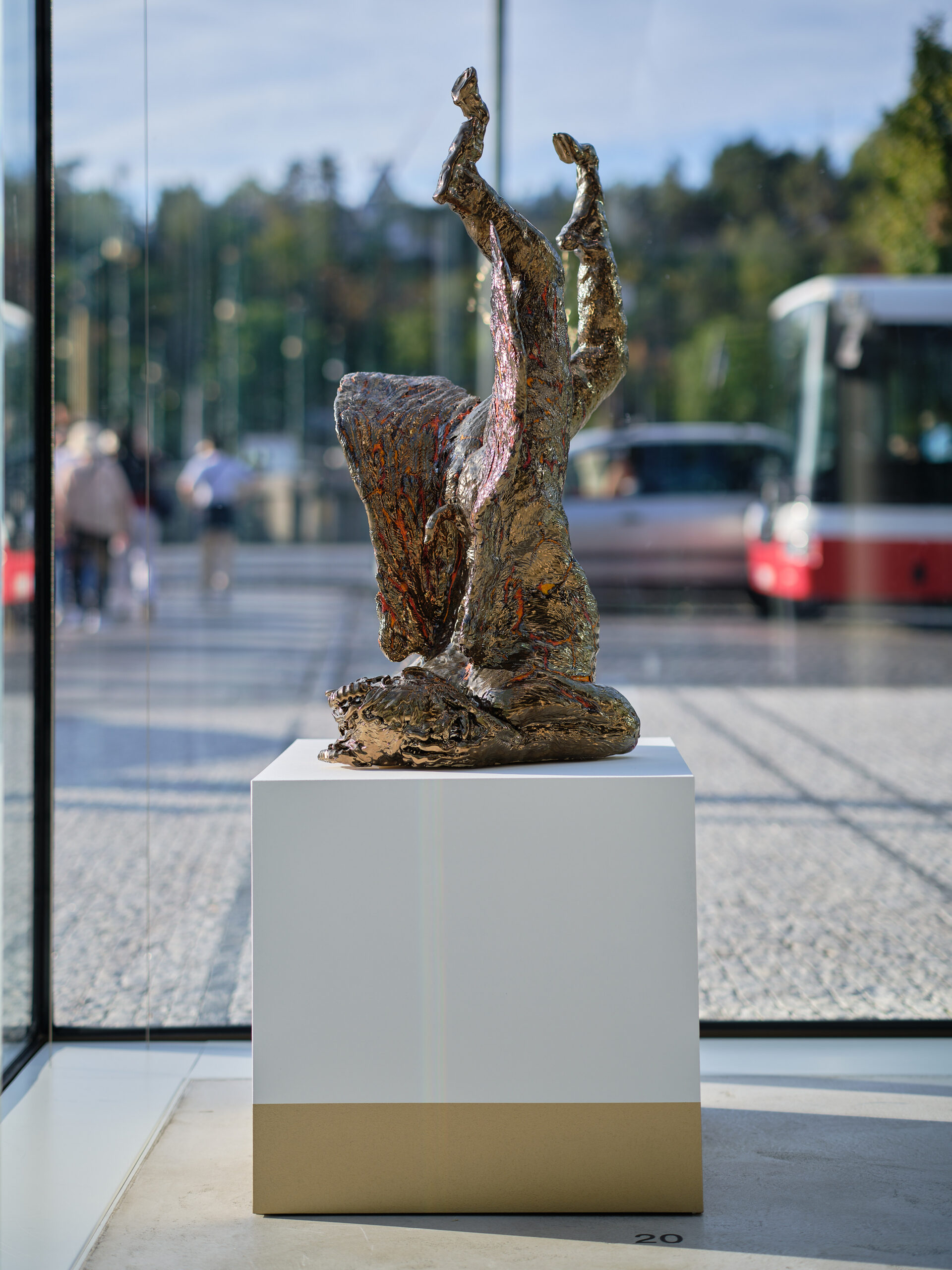
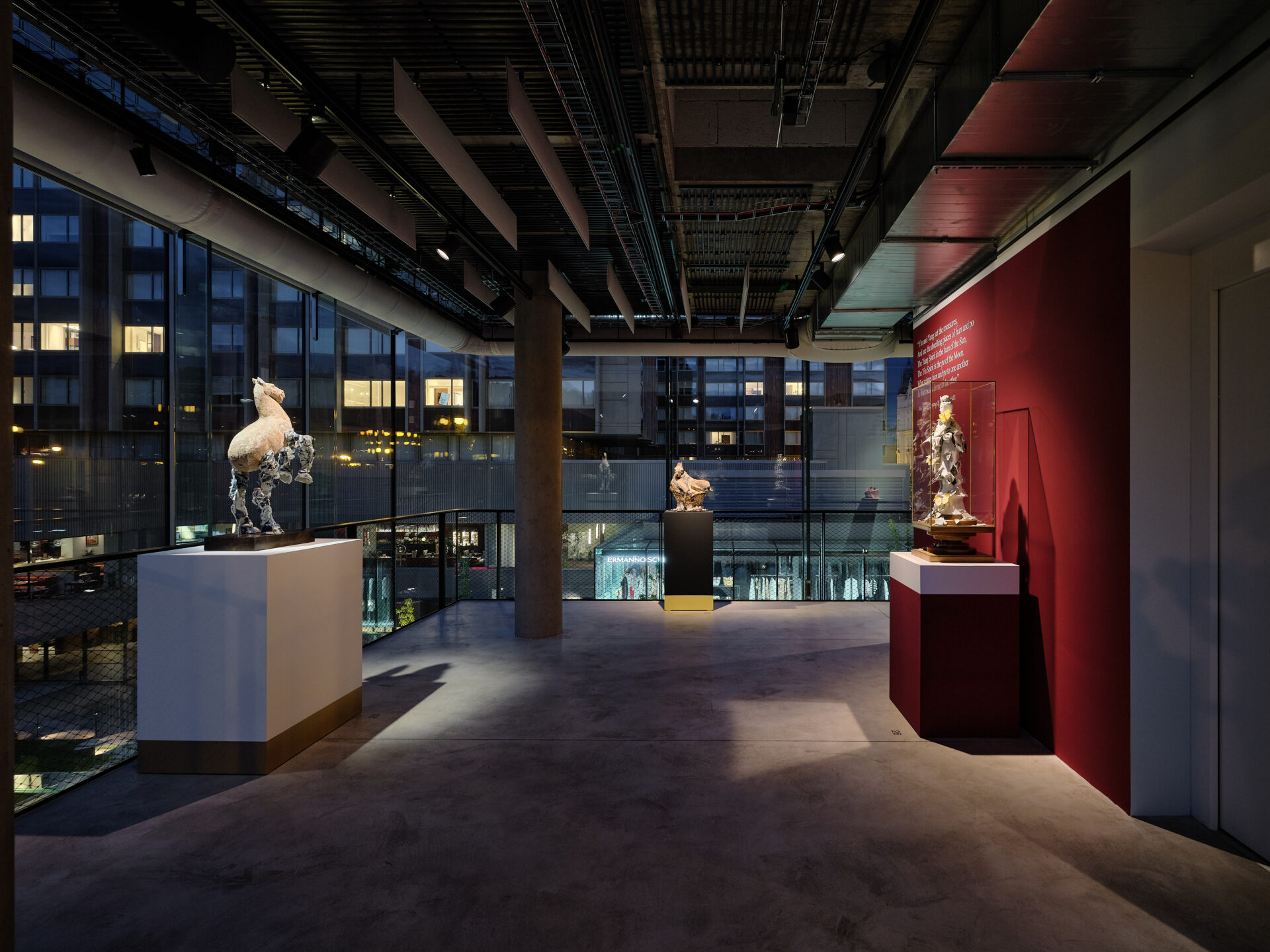
The exhibition Between Worlds brings together two realms that may initially appear distant, yet share profound historical and symbolic foundations: ceramics and alchemy. The project presents works by the Italian duo Bertozzi & Casoni, Bouke de Vries, and Carolein Smit, whose practices demonstrate the capacity of ceramics to engage with mythological, folkloric, and contemporary subjects. The exhibition invites reflection on how historical notions of the transformation of matter continue to resonate in contemporary art, and how ceramics remains capable of carrying symbolic, experimental, and spiritual meanings today.
Bertozzi & Casoni
In 1980, the Italian artists Giampaolo Bertozzi (b. 1957) and Stefano Dal Monte Casoni (1961–2023) founded Bertozzi & Casoni Srl in Imola. Their dialogue with major artistic traditions began while they were studying at the Art Institute in Faenza. It was also during this period that their interest in experimenting with sculpture emerged, with ceramics offering them the possibility of creating sculpture in colour.
Their earliest works were small in scale and made from finely executed polychrome majolica. From 1985 to 1989, they collaborated with the Cooperativa Ceramica di Imola as researchers at its Centre for Ceramic Research and Experimentation. This period culminated in two major projects: Tama New Town in Tokyo in 1989 and Say It with Flowers, a large panel installed on the exterior wall of the General Hospital in Imola.
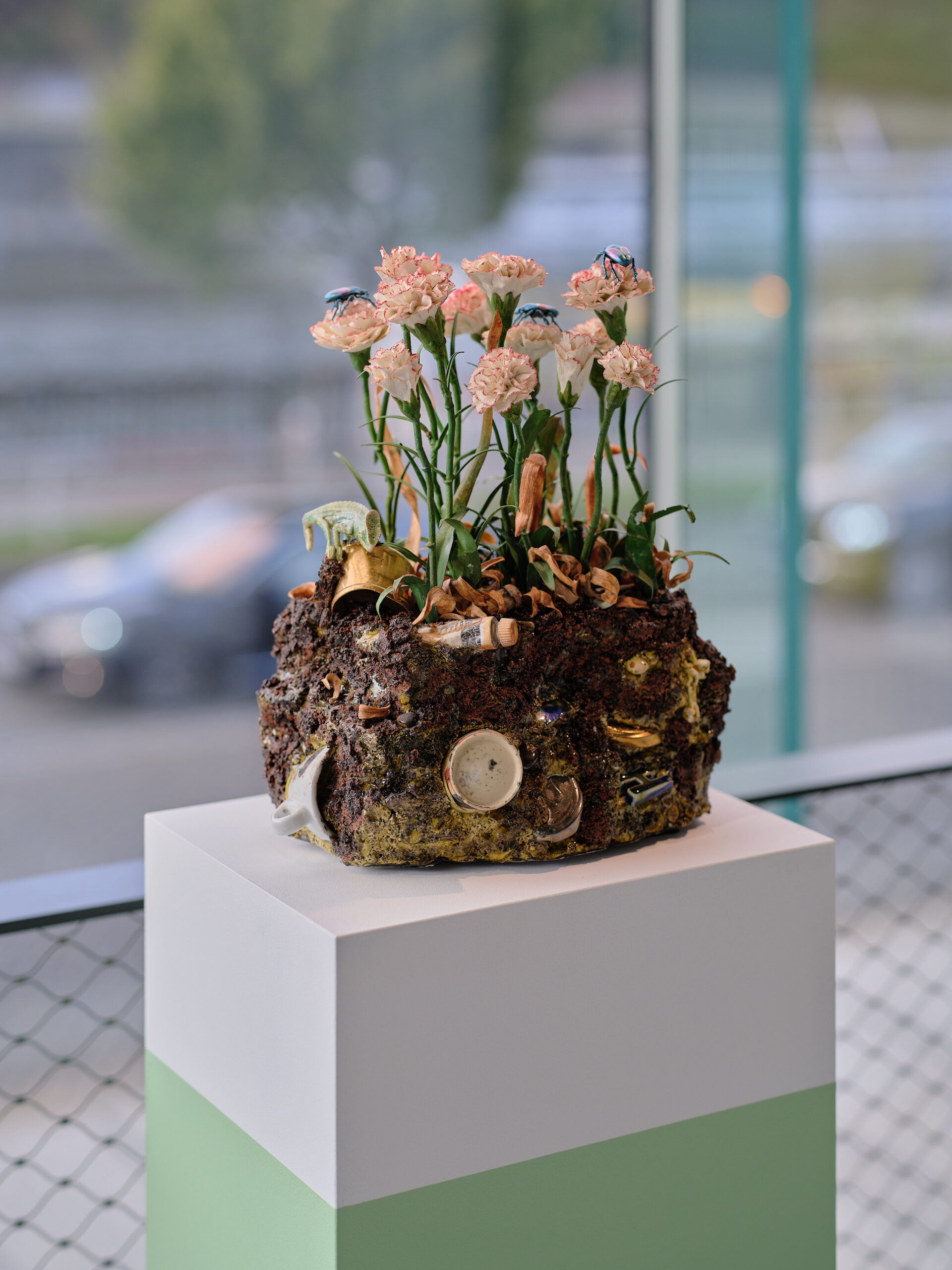
In the early 1990s, their practice moved into more conceptual and radical territory. This development resulted in a series of major works, including Bosco Sacro (Sacred Grove) from 1993 and Scegli il Paradiso (Choose Paradise) from 1997. By the end of the decade, they had abandoned coloured majolica and begun working exclusively with industrial materials and technologies, replacing pictorial virtuosity with a more objective treatment of their chosen subjects. Their focus on iconographic themes ranging from vanitas to memento mori brought about a profound transformation in their practice and initiated a series of “reflections on the present,” in which the “epic of waste” became both a symbol of human existence and a celebration of transience and renewal.
Carolein Smit
The Dutch artist Carolein Smit (b. 1960) studied at the Sint Joost Academy of Art in Breda, the Netherlands. She originally trained in lithography, specialising in drawing. In 1996, she became an artist-in-residence at the European Ceramic Work Centre in ’s-Hertogenbosch, the Netherlands, and was subsequently awarded the prestigious Keranova Prize.
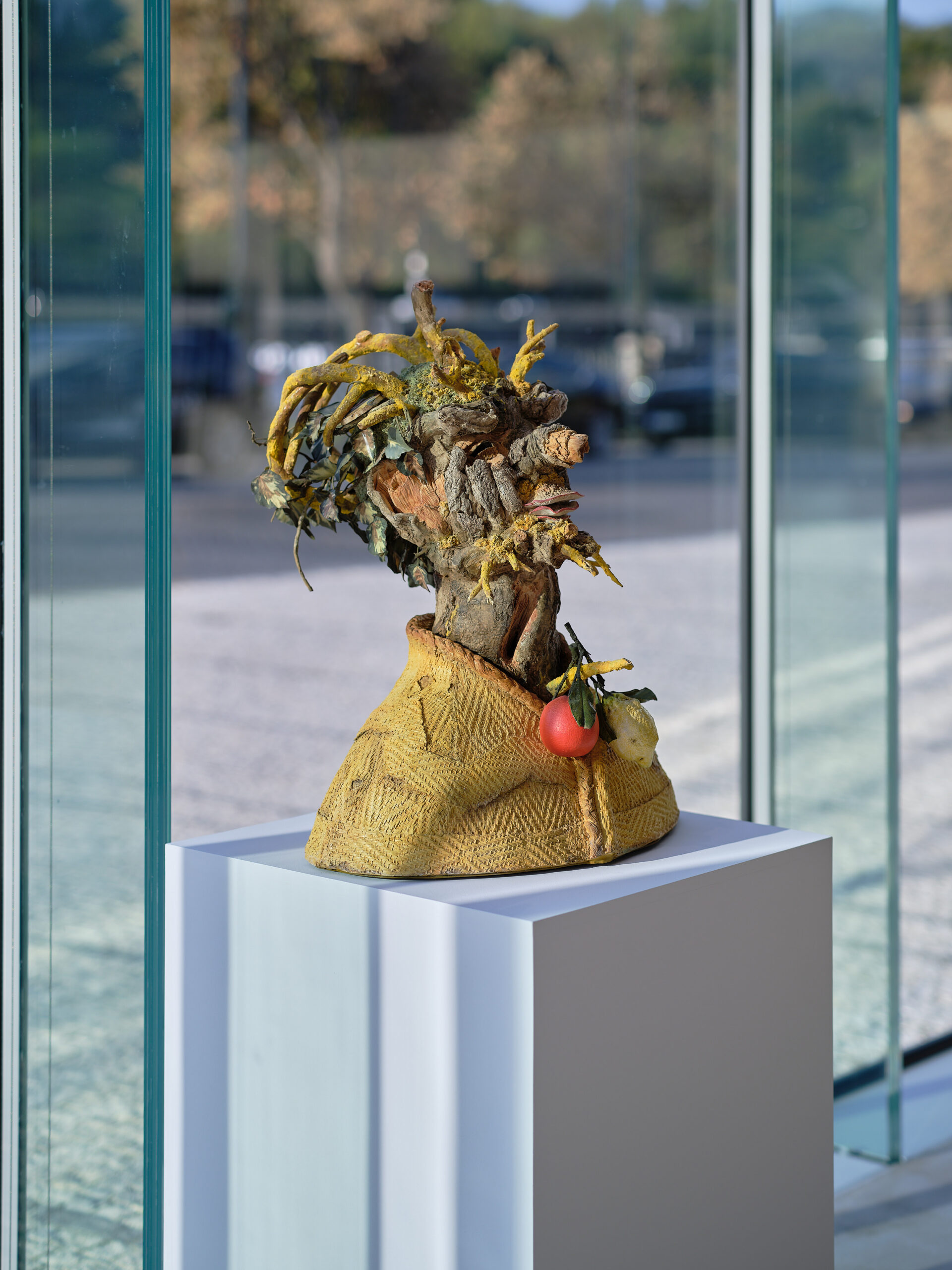
Over the three decades since her first creative encounter with clay, Smit has explored the medium’s capacity to transcend boundaries, producing numerous enchanting figurative sculptures. Her works satirically engage with subjects as diverse as classical mythology, religious iconography, and folkloric tales. Through highly imaginative representations of skeletons, magical animals, and mythological creatures, her practice reimagines the contradictory relationship between beauty and mortality, both within art history and contemporary Western culture.
Characterised by an aesthetic that combines the grotesque with the sublime, Smit’s practice examines fragility, decay, and transience, frequently evoking the iconography of seventeenth-century vanitas. Her anthropomorphic figures transport the viewer into a world situated somewhere between mythology and medieval bestiaries, where the endearing merges with the sinister. Her works thereby acquire an almost sacred dimension, recalling the delicacy and profundity of Gothic art.
Bouke de Vries
The Dutch artist Bouke de Vries (b. 1960), currently based in London, studied textile design at the Design Academy Eindhoven and Central Saint Martins in London in the early 1980s. After working with John Galliano, Stephen Jones, and Zandra Rhodes, he changed direction and studied ceramics conservation and restoration at West Dean College in Sussex, United Kingdom, before becoming a visual artist in 2009.
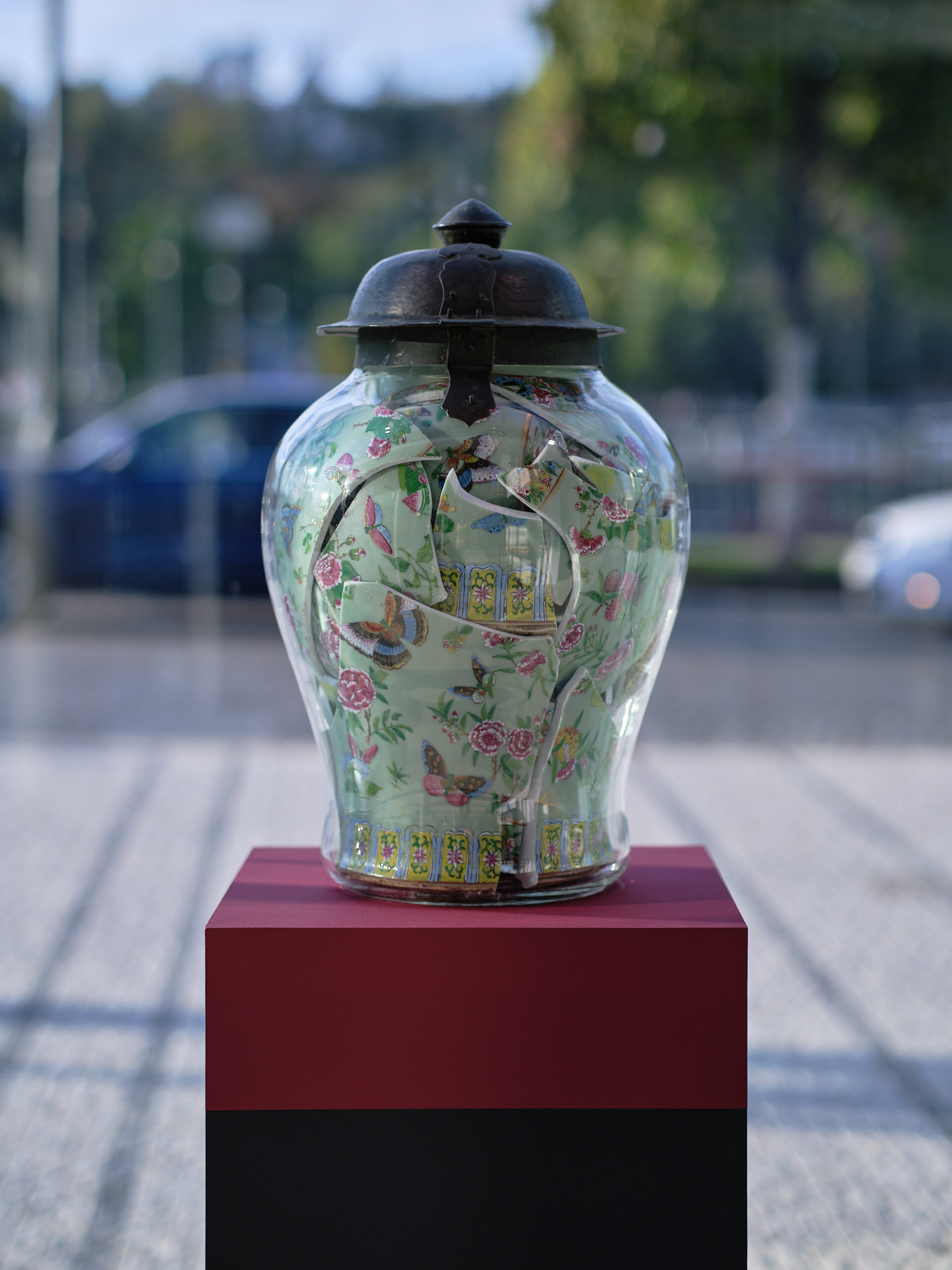
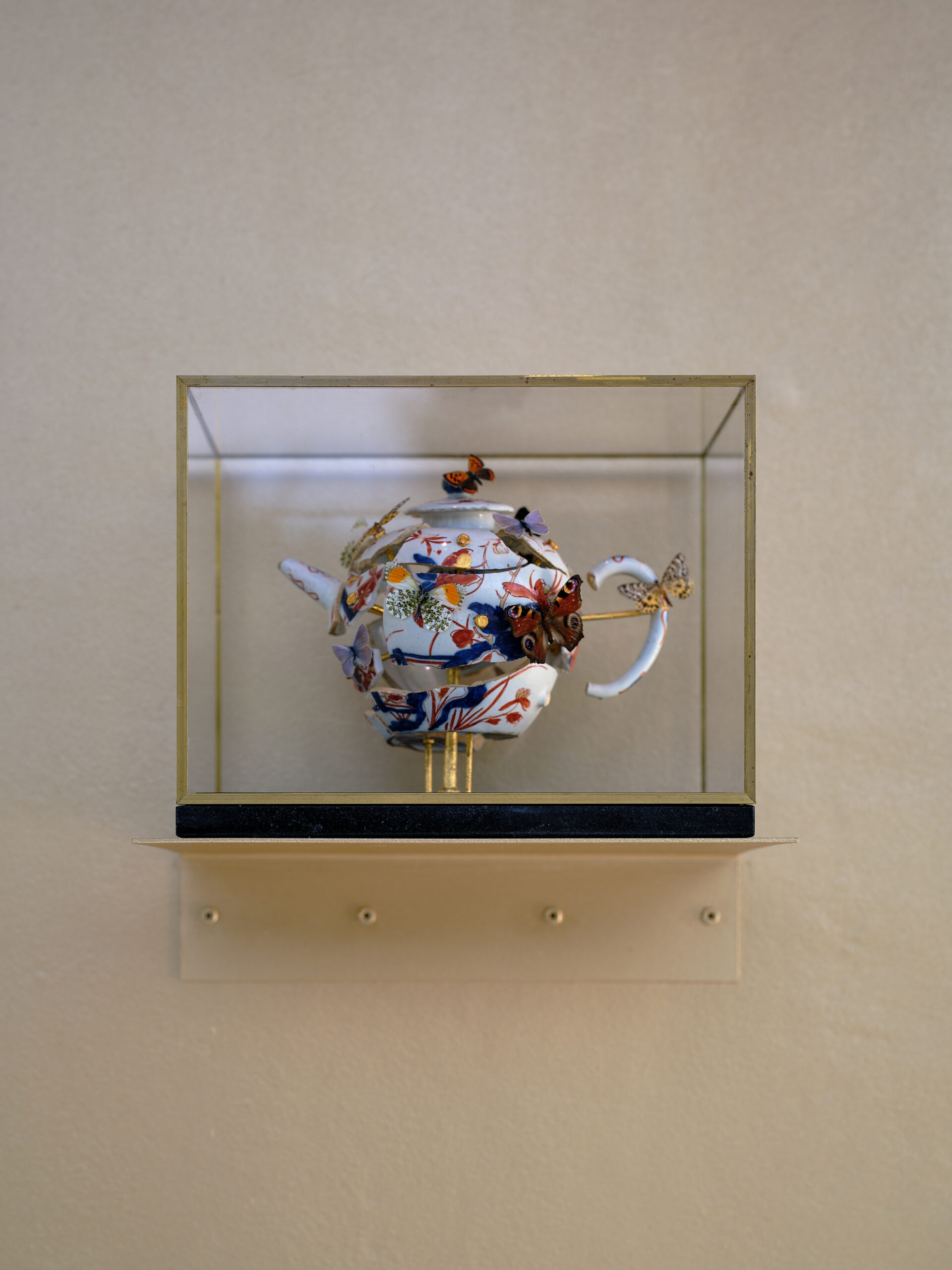
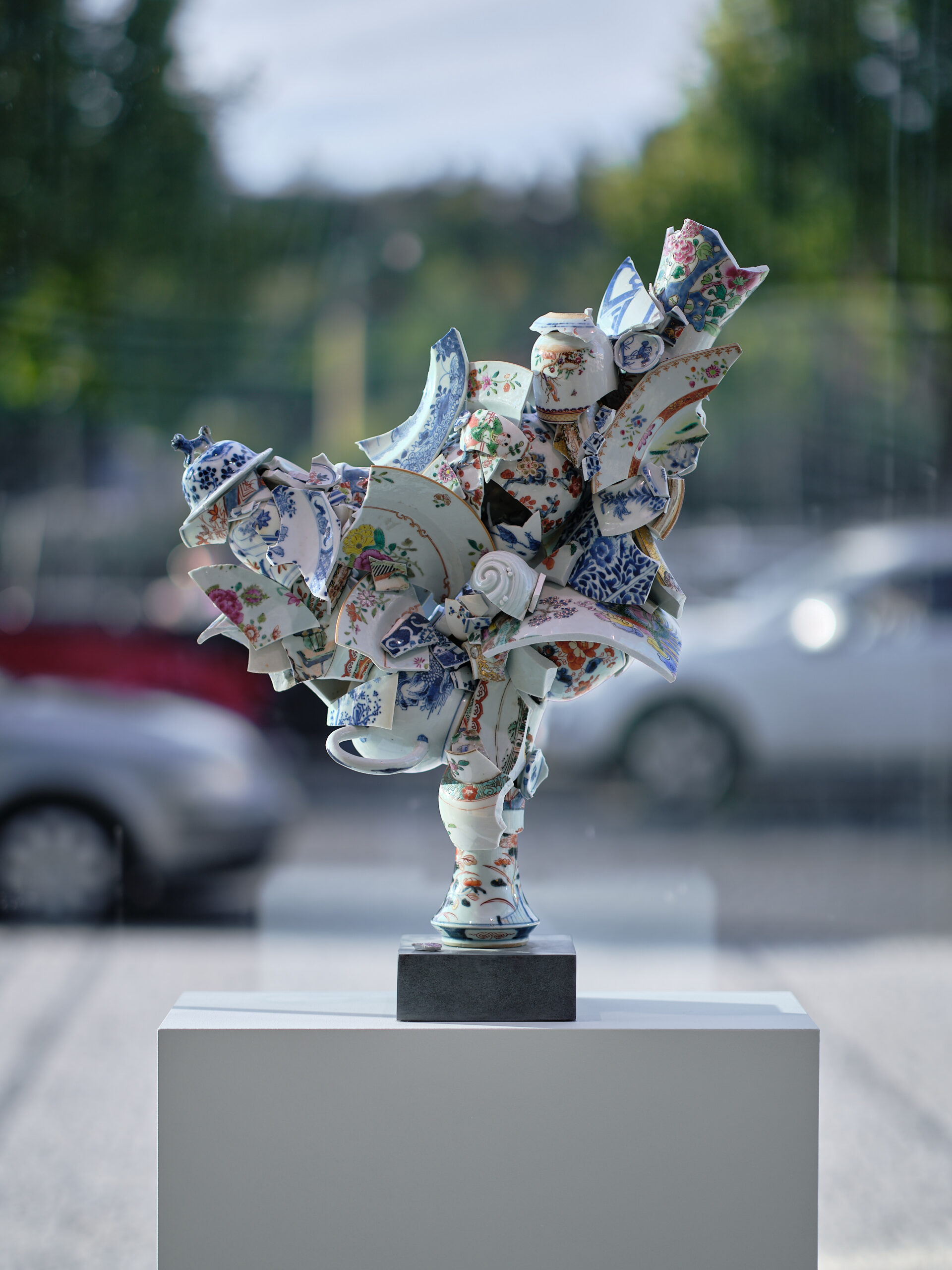
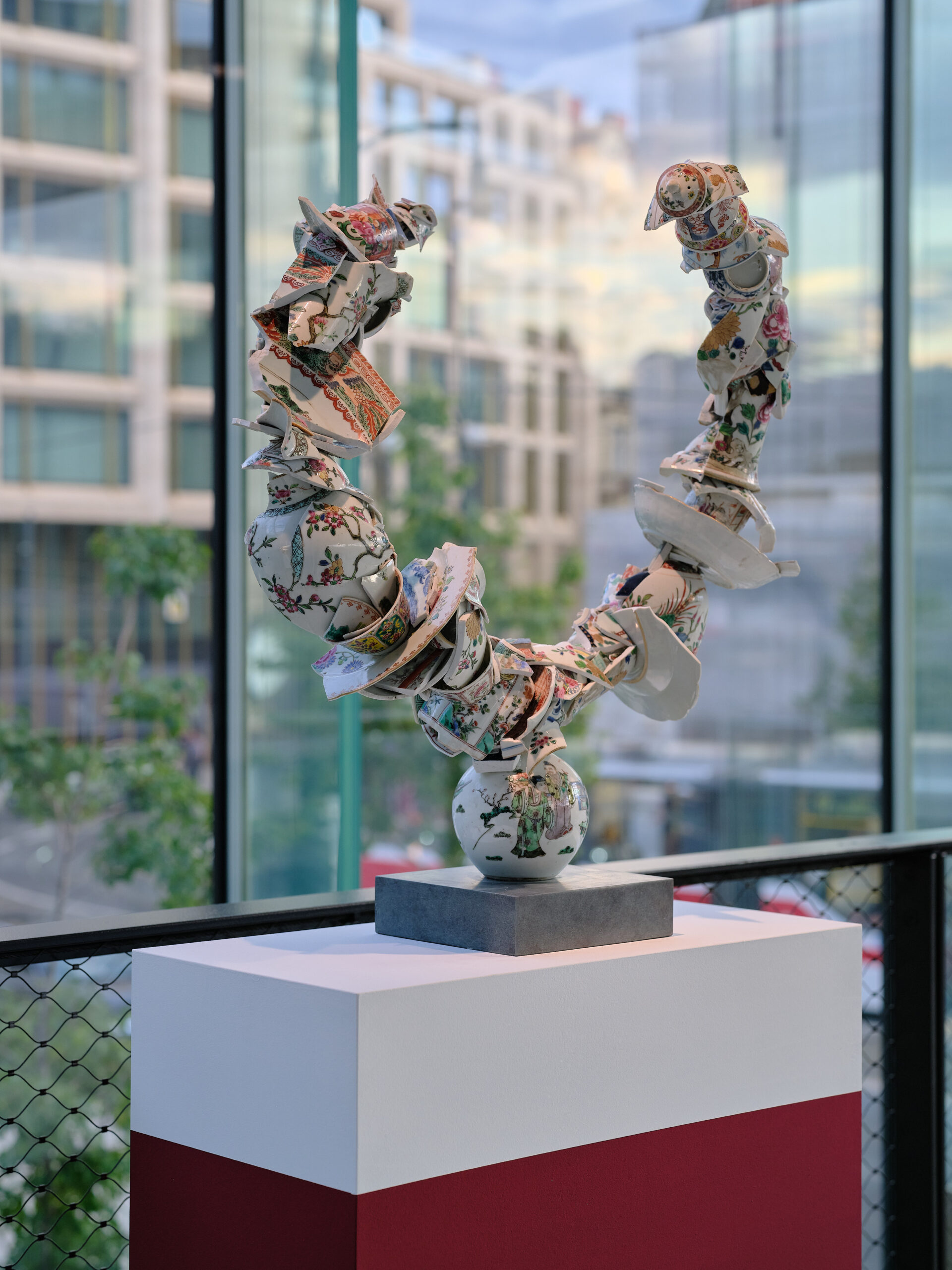
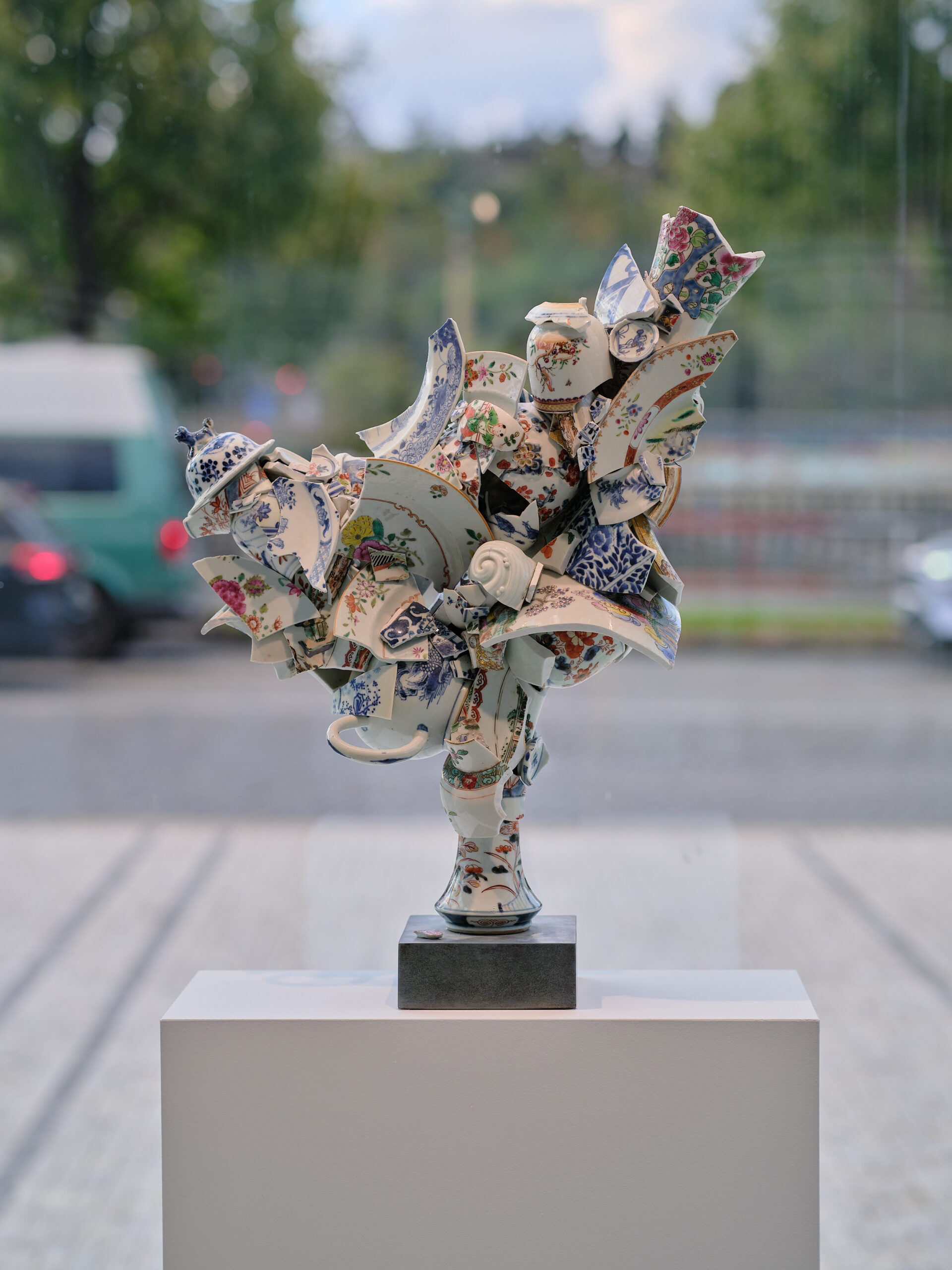
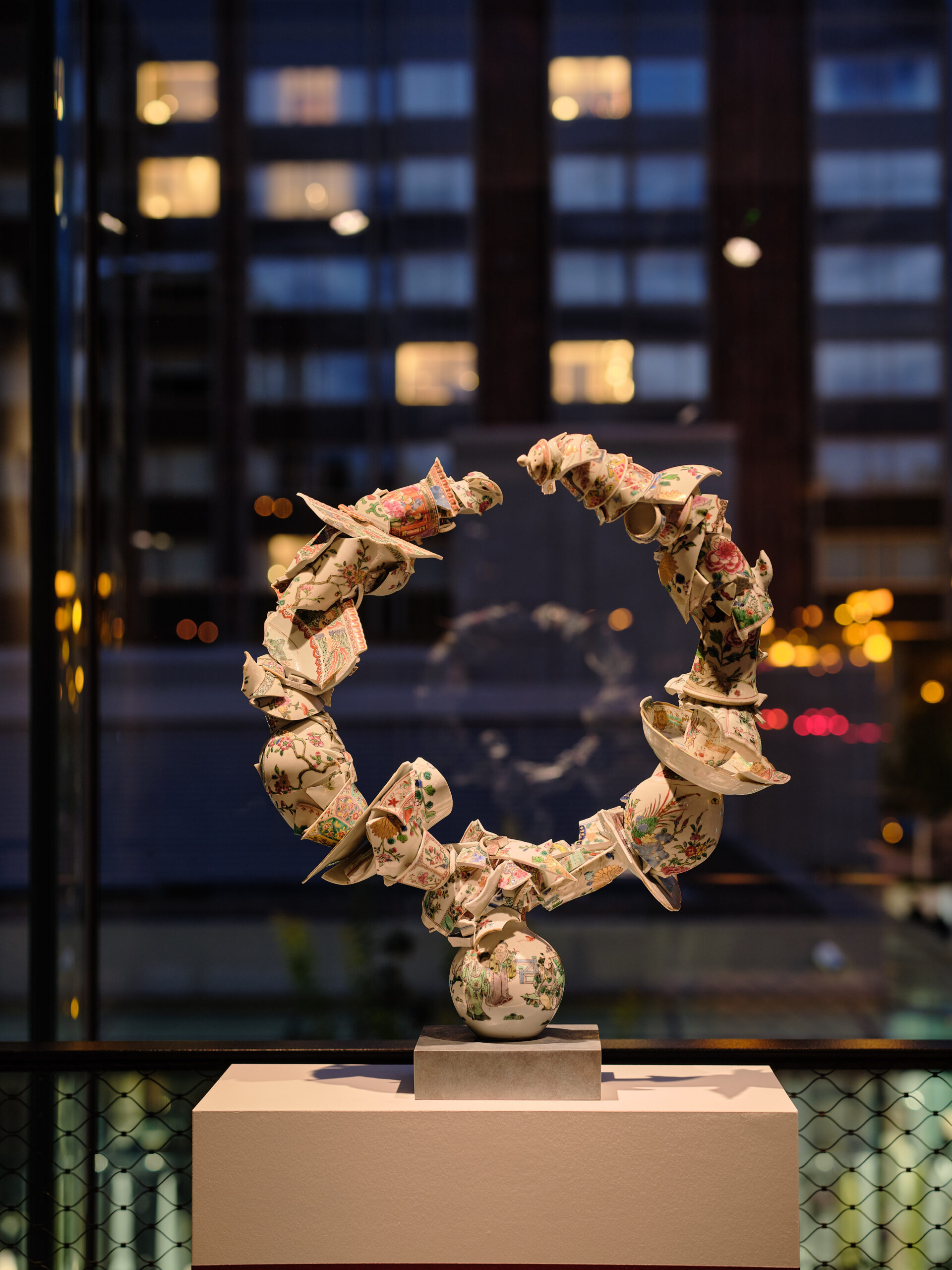
His skills as a conservator allow him to breathe new life into ceramic objects damaged by accident. He describes his practice in terms of the “beauty of destruction.” Rather than reconstructing shattered vessels, he deconstructs them, investing them with new values and narratives. His sculptures, still lifes, and installations combine visual impact with conceptual depth. Whether meticulously transforming shattered plates and teapots, including ancient Chinese artefacts from the Tang dynasty or a rare Meissen dinner service, de Vries celebrates fragility, transformation, and the beauty of imperfection.
His most elaborate installation to date is the monumental War & Pieces from 2012, a contemporary reinterpretation of an eighteenth-century banquet table. Created from thousands of fragments of white porcelain and presented as seven sculptural tableaux, the work depicts the Roman gods of war, Mars and Minerva, locked in battle. At the centre of this imposing scene stands a white porcelain mushroom cloud surmounted by a weeping angel. Alongside war, chaos, and aggression, the installation also contains humour and beauty, satirically and critically undermining the authority of classical symbols.